oluwatosin oyeniyi
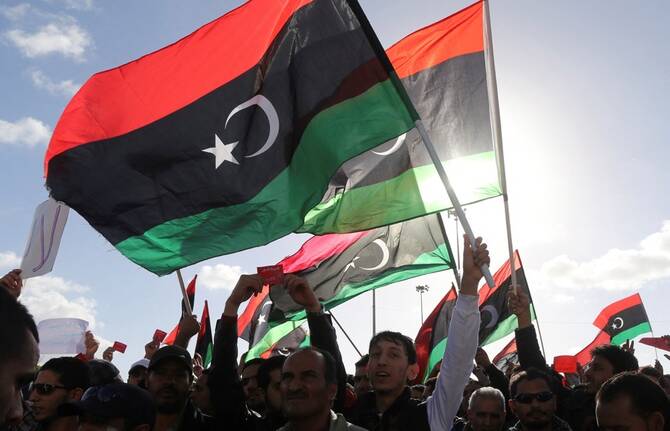
 TRIPOLI, Libya — The United Nations has welcomed a new agreement between Libya’s rival political factions that sets out a roadmap towards long-delayed national elections, offering a possible route out of the country’s prolonged political stalemate.
The agreement, signed in Tripoli on August 30 under the auspices of the United Nations Support Mission in Libya (UNSMIL), provides for adjustments to the electoral framework and arrangements for presidential and legislative elections within 24 months.
The deal is significant because Libya has remained divided between rival political institutions and competing centres of power since the collapse of Muammar Gaddafi’s government in 2011. Elections planned for December 2021 were abandoned after disputes over electoral rules, presidential candidacies and the powers of the next government prevented the process from moving forward.
The latest agreement therefore represents more than another election timetable. It is an attempt to resolve some of the political and legal disputes that have repeatedly prevented Libyans from choosing a unified national leadership.
A Chance to Break the Deadlock
The UN-backed process has been seeking a framework capable of bringing Libya’s competing political institutions into a single electoral process. The latest agreement follows months of consultations and negotiations aimed at addressing disagreements over the rules governing elections.
For Libya, credible elections could provide a path towards replacing transitional political arrangements with institutions deriving their authority from voters.
But the announcement also comes with a familiar warning: a roadmap is only meaningful if Libya’s political and security actors agree to implement it.
Previous attempts to organise national elections have been undermined by disagreements among political leaders and institutions, while questions over constitutional and electoral rules have remained unresolved.
The UN has therefore treated the agreement as an opportunity rather than a guarantee of elections.
Implementation Will Be the Hardest Part
The central challenge now is turning political commitments into practical steps.
That will require Libyan institutions to agree on the remaining electoral arrangements, respect the authority of election bodies and create conditions in which candidates and voters can participate without intimidation.
It will also require political actors to accept the possibility of losing power through elections.
This is particularly important in a country where rival institutions have accumulated political, economic and security interests over years of division. A successful electoral process cannot simply produce ballots; it must also produce acceptance of the results.
The risk is that unresolved disputes could once again be used to delay or derail voting.
The UN’s Credibility Is Also at Stake
The roadmap represents an important test for UNSMIL and the wider international community.
The UN has spent years mediating between Libya’s competing factions, but repeated delays have contributed to public frustration and weakened confidence in the political process. The latest agreement gives the mission an opportunity to demonstrate that diplomacy can produce a functioning transition rather than another cycle of negotiations without elections.
For that to happen, international support will need to focus not only on securing signatures but also on monitoring implementation, supporting Libya’s electoral institutions and encouraging political actors to resolve disputes before they become crises.
Libyans also need a process that is sufficiently inclusive to give citizens confidence that the elections are being organised for the country rather than for competing political elites.
Elections Alone Will Not Resolve Libya’s Crisis
Even if the roadmap succeeds, elections will not automatically resolve Libya’s deeper problems.
The country still faces institutional fragmentation, security challenges and competing political interests. A national vote can establish a new source of political legitimacy, but lasting stability will depend on whether elected institutions can operate across the country and whether rival factions accept a common political framework.
The immediate priority should therefore be to protect the electoral process from the disputes that have derailed previous attempts.
The new roadmap gives Libya a window of opportunity. Its real significance, however, will be measured not by the agreement signed in Tripoli but by whether the country can finally move from promised elections to actual voting.
For a country that has waited years for a unified political settlement, implementation is now the test.