oluwatosin oyeniyi
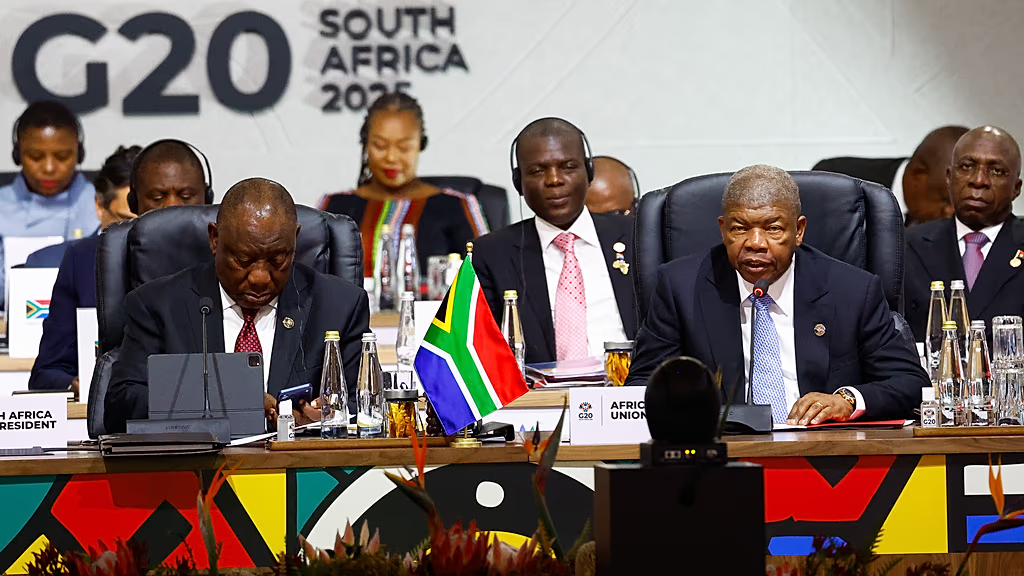
 ADDIS ABABA, Ethiopia — The African Union (AU) has endorsed a continent-wide dialogue on migration, mobility, and xenophobia, marking a renewed commitment by African governments to address the growing challenges surrounding the movement of people across the continent while promoting unity, inclusion, and the protection of migrants’ rights.
The decision comes amid increasing concern over recurring xenophobic and Afrophobic attacks, irregular migration, and the social and economic pressures facing both migrant communities and host countries.
A New Continental Conversation
African leaders agreed that migration should no longer be viewed solely through the lens of border security. Instead, they called for broader discussions that examine the economic, social, political, and humanitarian dimensions of human mobility across Africa.
The dialogue is expected to bring together governments, regional economic communities, civil society organizations, migration experts, and international partners to develop coordinated policies that promote safe, orderly, and regular migration while addressing the root causes of displacement.
AU officials emphasized that migration has long contributed to Africa’s economic growth, regional integration, and cultural exchange, but warned that rising xenophobia threatens these shared benefits.
Addressing Xenophobia Across the Continent
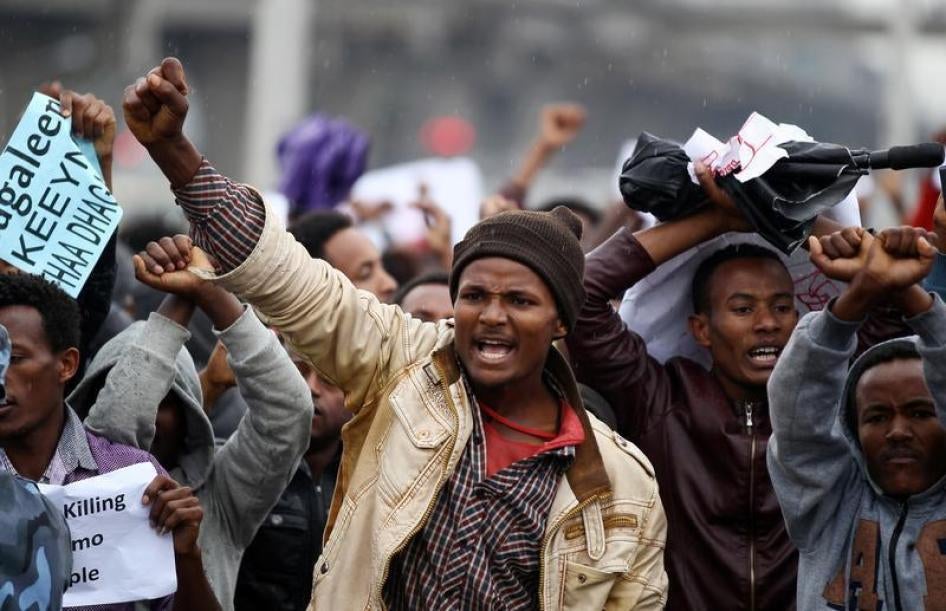
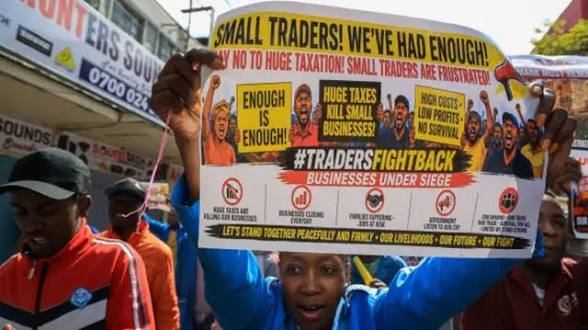
The renewed initiative follows several incidents of xenophobic violence reported in different parts of Africa in recent years, where migrants have faced discrimination, harassment, and attacks.
The AU reiterated that no African should face violence, exclusion, or discrimination because of their nationality or country of origin.
Leaders stressed that combating xenophobia requires more than emergency responses. They called for stronger public education campaigns, improved law enforcement, and policies that encourage peaceful coexistence between host communities and migrants.
The organization also urged member states to strengthen legal protections for migrants while ensuring that perpetrators of xenophobic violence are held accountable.
Migration as a Development Opportunity
Rather than viewing migration exclusively as a security concern, the African Union highlighted its potential to drive economic development.
Officials noted that labour mobility supports regional trade, fills workforce shortages, encourages skills transfer, and strengthens economic integration under the African Continental Free Trade Area (AfCFTA).
The AU also encouraged governments to improve labour migration frameworks, facilitate legal cross-border movement, and expand opportunities for young Africans through regional employment initiatives.
Tackling the Root Causes
While promoting mobility, African leaders acknowledged that many people continue to migrate because of conflict, unemployment, poverty, political instability, climate change, and limited economic opportunities.
The continental dialogue will therefore examine long-term strategies aimed at addressing these underlying drivers through investment in education, job creation, peacebuilding, climate resilience, and inclusive economic growth.
Analysts say reducing forced migration requires coordinated development policies that improve living conditions within countries while expanding legal migration pathways across the continent.
Strengthening Continental Cooperation
The African Union reaffirmed that migration is a shared continental responsibility requiring cooperation among member states.
Governments are expected to strengthen collaboration on border management, information sharing, refugee protection, anti-human trafficking efforts, and migration governance while respecting international human rights standards.
The initiative also aligns with the AU’s broader Agenda 2063 vision of a more integrated Africa where citizens can move more freely to pursue education, employment, business, and innovation.
Looking Ahead
The African Union is expected to begin consultations with member states and regional organizations in the coming months to shape a comprehensive framework for the dialogue.
Policy recommendations emerging from the discussions could influence future continental agreements on migration governance, labour mobility, refugee protection, and the prevention of xenophobic violence.
As migration continues to shape Africa’s economic and social landscape, the AU’s latest initiative reflects a growing recognition that sustainable solutions require cooperation, inclusive policies, and a commitment to protecting the dignity and rights of every African citizen.