oluwatosin oyeniyi
 NAIROBI, Kenya — Kenya’s crackdown on foreign nationals operating small-scale retail businesses and hawking has triggered a wider debate over jobs, migrant rights, regional trade and the limits of economic protectionism.
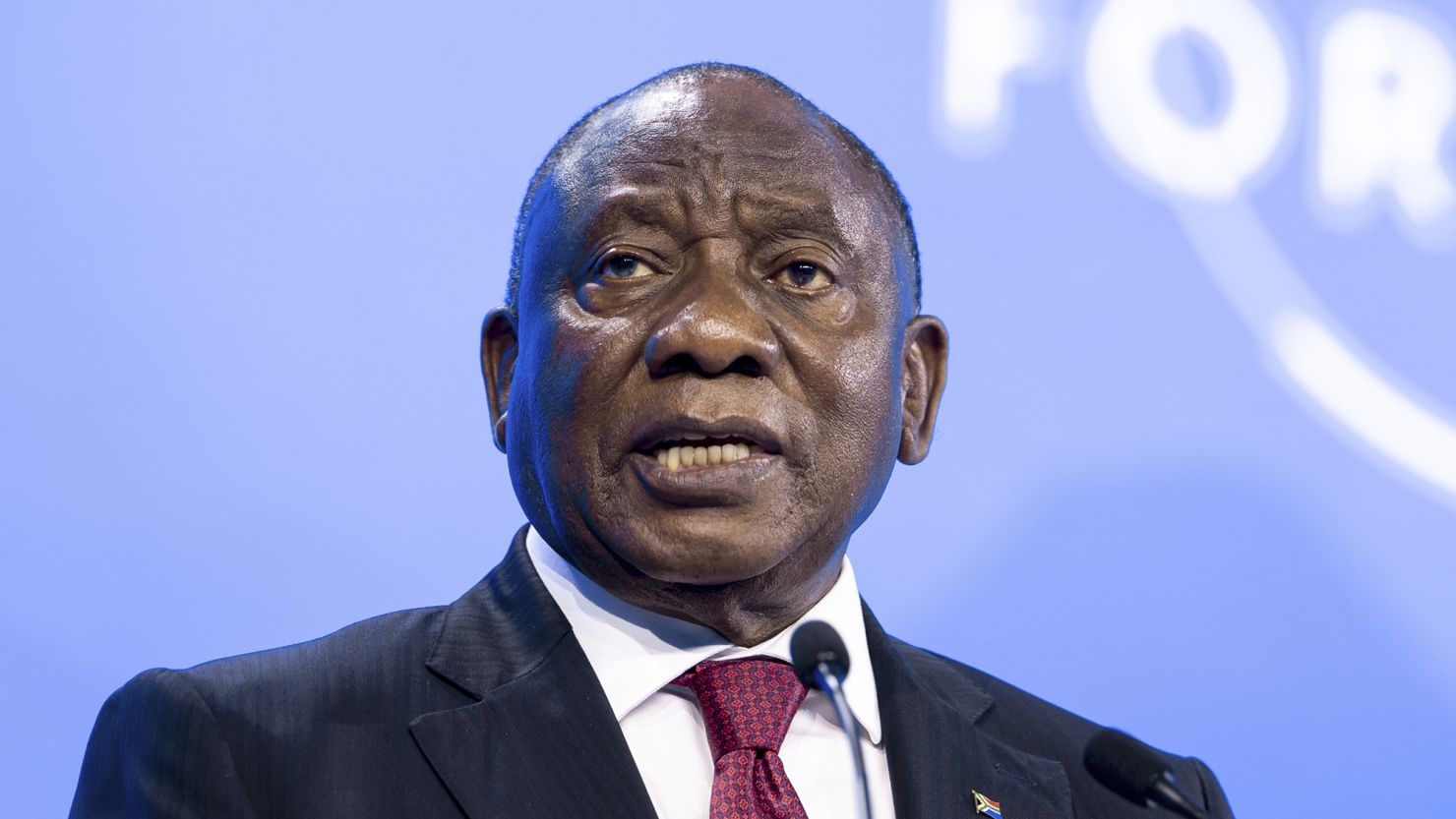
President William Ruto initially directed authorities to shut down small businesses operated by foreign nationals from September 7, arguing that hawking and petty retail should be reserved for Kenyan citizens. The government has since shifted to a 90-day regularisation period, giving foreign traders time to obtain or update the required immigration documents, work permits, business registration and licences.
The government insists the policy is aimed at enforcing existing laws and protecting Kenyan traders from unfair competition, rather than targeting migrants.
But the speed and rhetoric surrounding the crackdown have raised concerns among foreign communities and rights advocates, particularly as some migrants say they fear harassment and possible expulsion.
Why Ruto is targeting small-scale trade
Ruto has argued that Kenya welcomes foreign investment, but foreigners should not compete directly with citizens in businesses requiring relatively little capital.
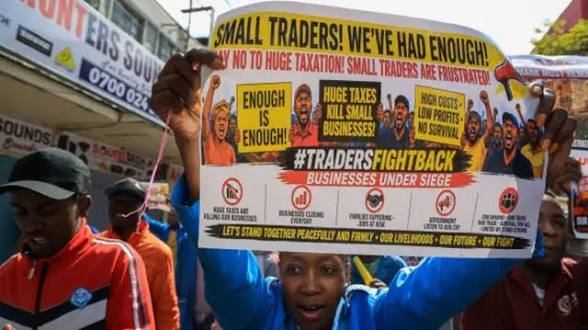
The president’s position followed complaints from Kenyan micro and small-scale traders who say foreign operators have increasingly entered hawking, small retail and informal commerce.
The government is also backing the Local Content Bill, 2025, which seeks to increase Kenyan participation in economic activities and supply chains. Ruto has directed officials to accelerate consideration of the legislation.
For the administration, the policy is therefore part of a broader effort to ensure that economic growth creates opportunities for Kenyan citizens.
Migrants caught in the middle
The policy has nevertheless created anxiety among foreign traders, particularly East Africans who depend on small businesses for their livelihoods.
Burundian nationals have been among the most visible groups affected. Hundreds have sought assistance from their embassy in Nairobi, with some seeking travel documents amid fears about their future in Kenya.
Kenya hosts thousands of Burundian refugees and asylum seekers, some of whom operate informal businesses. The government’s announcement has therefore created uncertainty over the distinction between undocumented traders, legally registered businesses and vulnerable migrants.
Kenyan officials have attempted to draw that distinction.
Foreign Affairs Principal Secretary Korir Sing’oei said foreigners with the necessary work permits and licences remain legally protected to operate businesses. The government has also stressed that visa-free entry does not automatically give a foreign national the right to work or trade in Kenya.
A regional trade question
The crackdown also carries implications beyond Kenya’s borders.
As a member of the East African Community, Kenya is committed to regional integration and the movement of people, goods and services. Restricting foreign participation in small-scale commerce could therefore create friction with neighbouring countries whose citizens operate businesses in Kenya.
Kenya’s Trade Ministry has acknowledged the importance of the country’s regional obligations and said enforcement would take the spirit of the EAC framework into account.
The issue could become particularly sensitive if neighbouring governments respond with reciprocal restrictions against Kenyan traders.
That would undermine the very regional integration that East African governments have spent years trying to deepen.
Protecting local traders without creating xenophobia
There is a legitimate policy question at the heart of the dispute.
Small Kenyan traders face intense competition, rising costs and limited access to capital. Government support for local entrepreneurs can help create jobs and strengthen domestic businesses.
But enforcement must distinguish between illegal activity and lawful foreign participation.
A blanket approach risks punishing traders who have complied with immigration, licensing and tax requirements. It could also fuel anti-foreigner sentiment.
The government has already warned that xenophobic harassment will not be tolerated and has said legally documented foreign traders should be protected.
What Kenya should do next
The 90-day regularisation period provides an opportunity for the government to establish a clearer system.
Authorities should publish precise categories of businesses affected, explain the legal requirements in accessible terms and give traders a transparent process for obtaining permits and licences.
The government should also expand access to affordable financing, training and markets for Kenyan micro-enterprises. Protecting local traders will have limited impact if the underlying barriers to their growth remain unresolved.
At the regional level, Kenya should consult its EAC partners to ensure that enforcement does not undermine agreements on movement, trade and investment.
The central challenge is to protect opportunities for Kenyan citizens without turning economic policy into a source of hostility towards migrants.
Kenya’s response to foreign traders will therefore be watched beyond its borders. How the government implements the policy could determine whether it becomes a model for supporting local enterprise or another source of tension in an increasingly interconnected East African economy.