oluwatosin oyeniyi
 BANJUL, The Gambia — The Gambia is facing a growing electricity and political crisis after prolonged power cuts triggered street protests in and around the capital, with demonstrators demanding that President Adama Barrow resign.
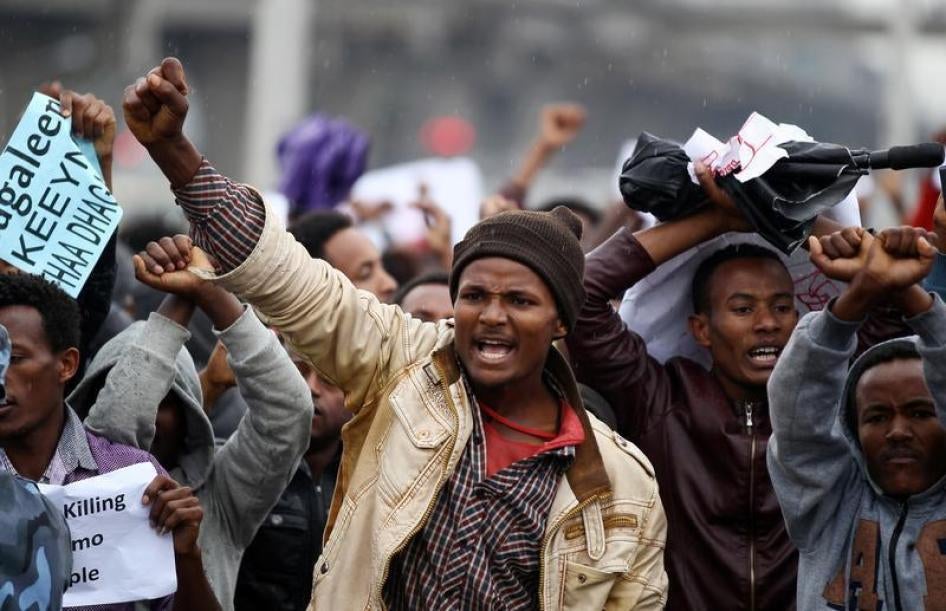
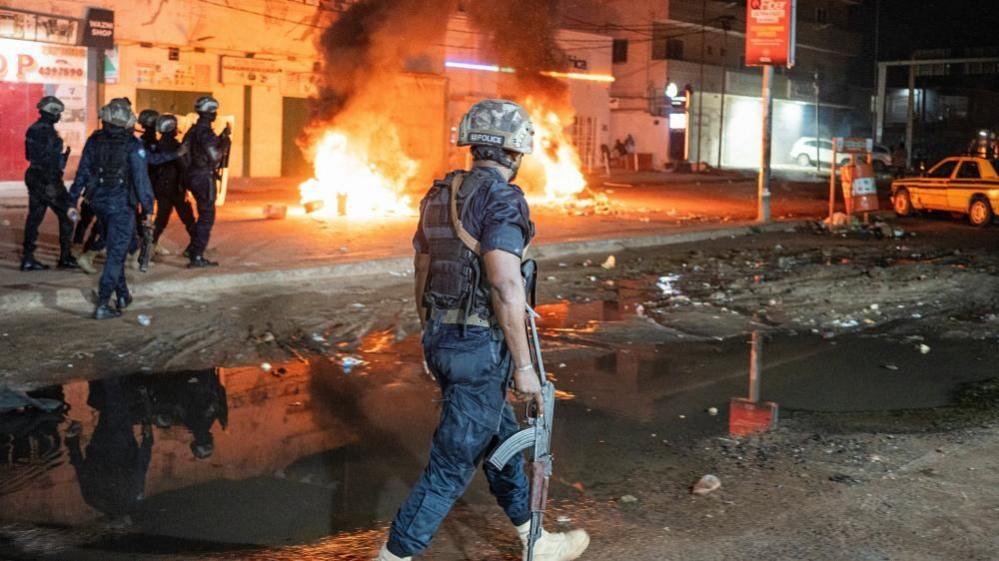
The protests escalated overnight on September 7–8 as residents burned tyres, erected barricades and blocked roads in several locations. Some protesters gathered near Barrow’s official residence and the headquarters of the National Water and Electricity Corporation (NAWEC). Police used tear gas to disperse some of the crowds.
Some communities have reportedly experienced blackouts lasting up to 48 hours, intensifying public frustration during the country’s hot season. The disruptions have affected households, businesses and essential services, while residents have complained about the impact on food storage, work and daily life.
Barrow declares an emergency
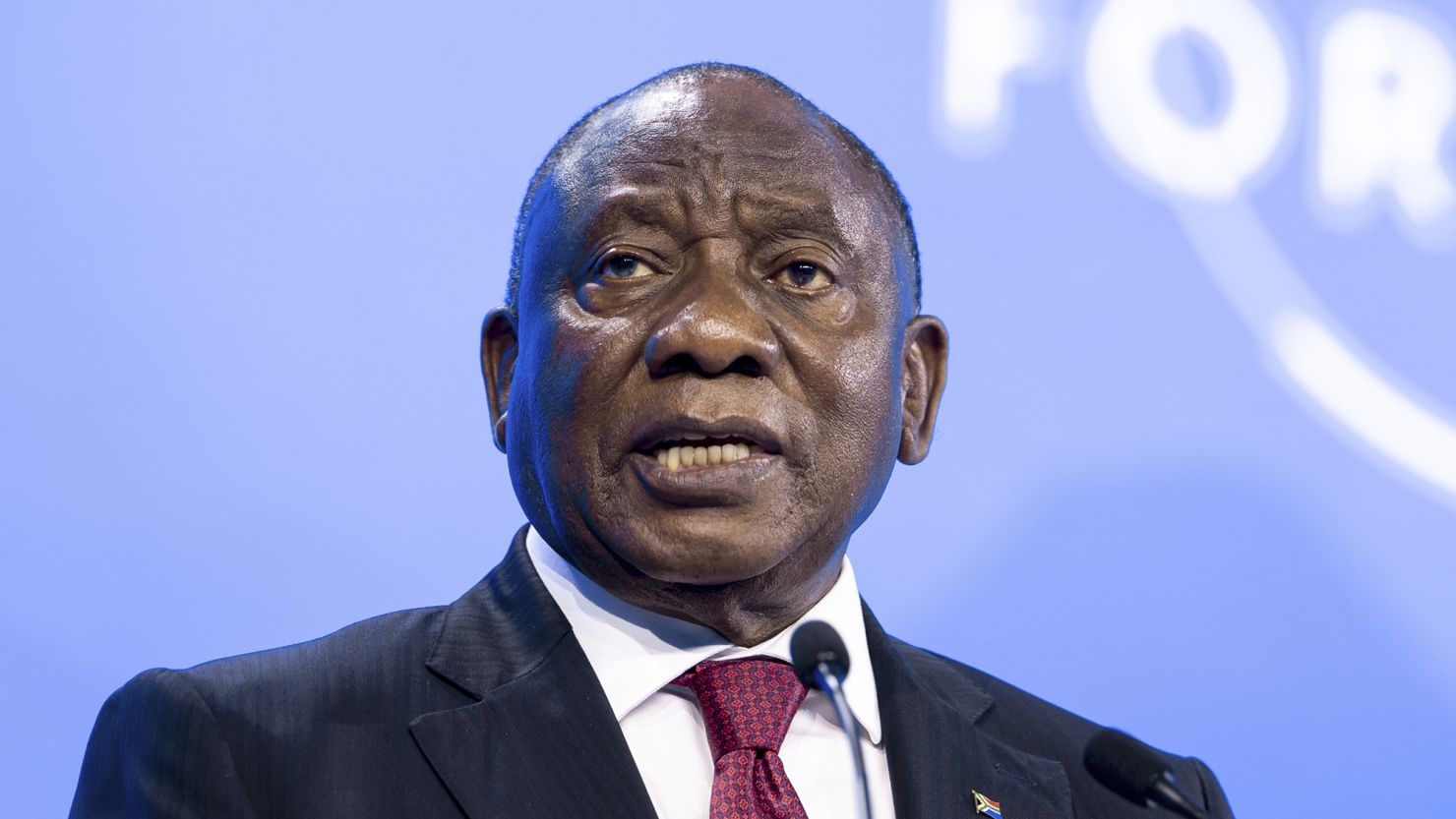
Barrow has acknowledged the severity of the situation, describing the electricity crisis as an emergency and a national security issue.
In a televised address, he admitted shortcomings in the country’s power planning, generation and maintenance systems and promised that electricity supply would improve by the end of October.
The government is installing an additional 24-megawatt generation unit at the Brikama Power Station, which Barrow says will be commissioned by the end of October. It has also awarded a contract for a 50-megawatt solar power plant in Soma.
The president has also established a Presidential Task Force on Electricity Supply, chaired by Vice President Mohammed B.S. Jallow, which is expected to provide public updates every two weeks.
Why the crisis has worsened
The National Water and Electricity Corporation has previously attributed the blackouts partly to a surge in electricity demand during exceptionally hot weather, alongside technical problems and constraints affecting electricity imports.
The current crisis also reflects deeper structural weaknesses in The Gambia’s electricity system, including limited domestic generation capacity and dependence on regional power supplies.
Barrow said the government had made significant progress in expanding electricity access since 2017, but acknowledged that increased access has also placed greater pressure on generation capacity.
The government now faces the challenge of converting that increased access into a more reliable supply.
An election-year political test
The timing makes the crisis particularly sensitive.
The protests come just months before the December 2026 presidential election, in which Barrow is seeking a third term. The electricity crisis has therefore become more than an infrastructure problem; it is increasingly a measure of public confidence in the government.
The chants of “Barrow must go” during the demonstrations show how quickly frustration over a basic public service can become a broader political grievance.
For the administration, delivering visible improvements before the election could help restore confidence. Failure to do so could give opposition parties a powerful campaign issue centred on living costs, public services and government accountability.
Beyond emergency generators
The immediate priority is restoring electricity supply and preventing further disruption.
But additional generators alone will not resolve the structural weaknesses behind the crisis. The government needs a longer-term strategy that combines reliable generation, grid maintenance, diversified energy sources and transparent investment.
The planned solar plant could help reduce pressure on conventional generation during daylight hours, while improved maintenance and investment in transmission and distribution infrastructure will be necessary to ensure that additional generation actually reaches consumers.
The government should also provide regular public information on outages, repairs, procurement and progress on new generation projects.
Restoring public trust
The protests demonstrate that electricity has become a political issue as much as an economic one.
Citizens have a right to demand reliable public services, while authorities have a responsibility to protect public infrastructure and manage demonstrations without unnecessary escalation.
A transparent response would include regular engagement with communities, independent monitoring of major power projects and clear benchmarks for measuring improvements.
For Barrow, the October deadline is now a political as well as an operational commitment.
If electricity supply improves as promised, the government can point to concrete action in response to public anger. If the crisis persists, the December election could become a referendum not only on Barrow’s leadership but on whether his government has delivered the basic services Gambians increasingly expect.
The immediate goal is to restore the lights. The larger challenge is restoring public confidence.