oluwatosin oyeniyi
 The Government of Malawi has officially initiated the voluntary repatriation of its citizens from South Africa. This urgent intervention follows a dangerous spike in anti-immigrant violence along South Africa’s coastal towns. Fortunately, the first group of 150 Malawians has landed safely back in Lilongwe. However, this rescue mission is not an isolated event. It forms part of a broader, coordinated regional exit strategy. Currently, neighboring nations like Zimbabwe and Nigeria are also extracting their vulnerable populations from volatile South African hotspots.
Malawi’s Swift Response to the Diaspora Crisis
Malawi’s Ministry of Foreign Affairs confirmed that the returnees were among those directly threatened by the unrest. Because the safety situation deteriorated rapidly, the Malawian government chose to utilize road transport to move its citizens across borders securely. This proactive approach stands in stark contrast to some historically delayed diplomatic responses. Therefore, it demonstrates a clear commitment to citizen welfare.
Furthermore, the voluntary nature of the repatriation ensures that only those who feel unsafe are assisted. This focus maintains a purely humanitarian objective. However, organizing such an operation under duress highlights the intense logistical capabilities required by Malawian diplomatic missions.
The Regional Picture: A United Front Against Xenophobia
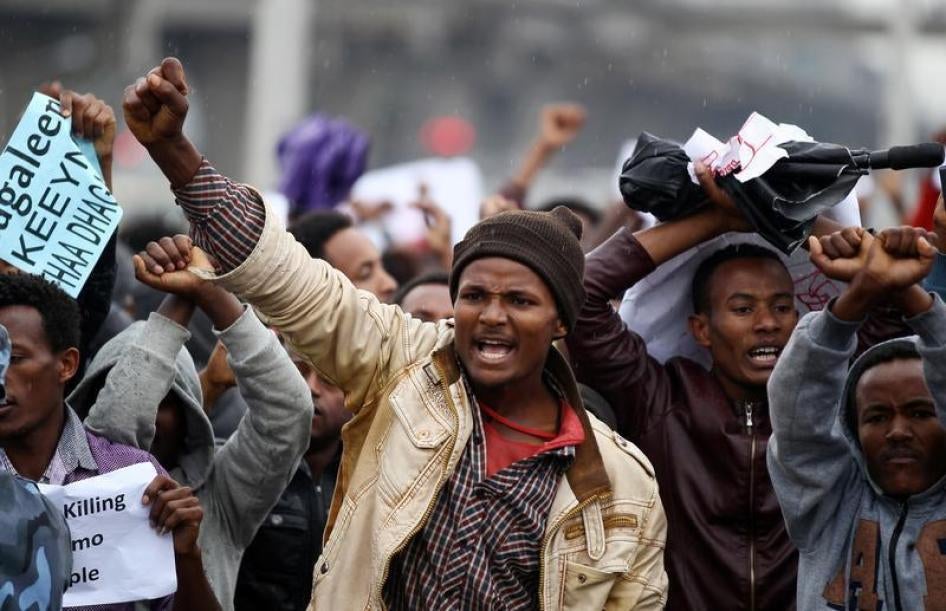
The current wave of violence has prompted a unified response from several African nations. This collective panic stems from economic frustrations within South Africa, where locals often accuse foreign nationals of taking scarce resources.
Consequently, several countries are currently flying or driving their people home:
- Zimbabwe: Over 74 citizens arrived home safely after vigilantes drove them out of Mossel Bay.
- Nigeria: President Bola Tinubu approved five specialized Air Peace flights to evacuate more than 500 stranded Nigerians.
- Ghana: Hundreds of Ghanaian nationals have been flown out of Johannesburg to Accra.
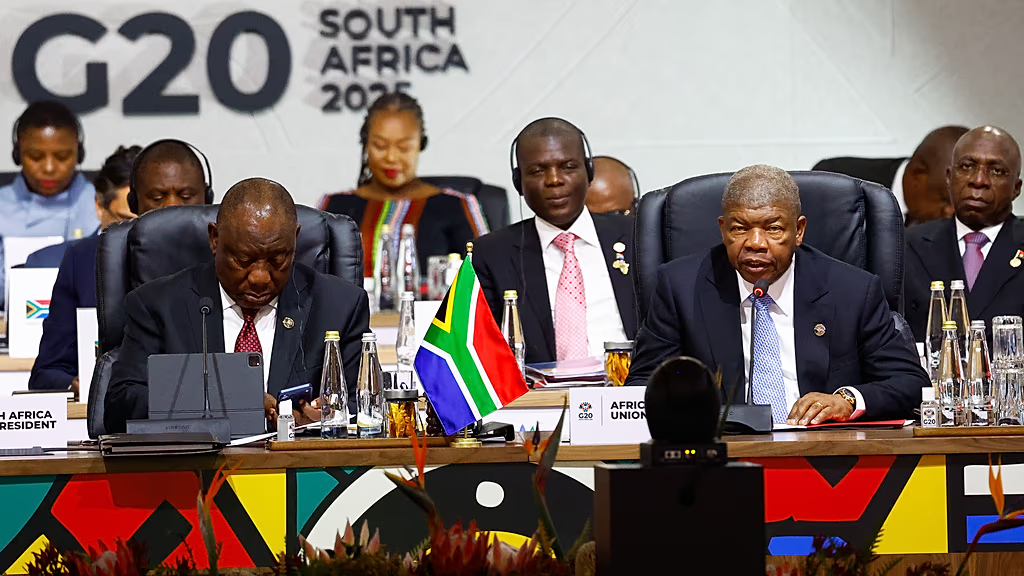
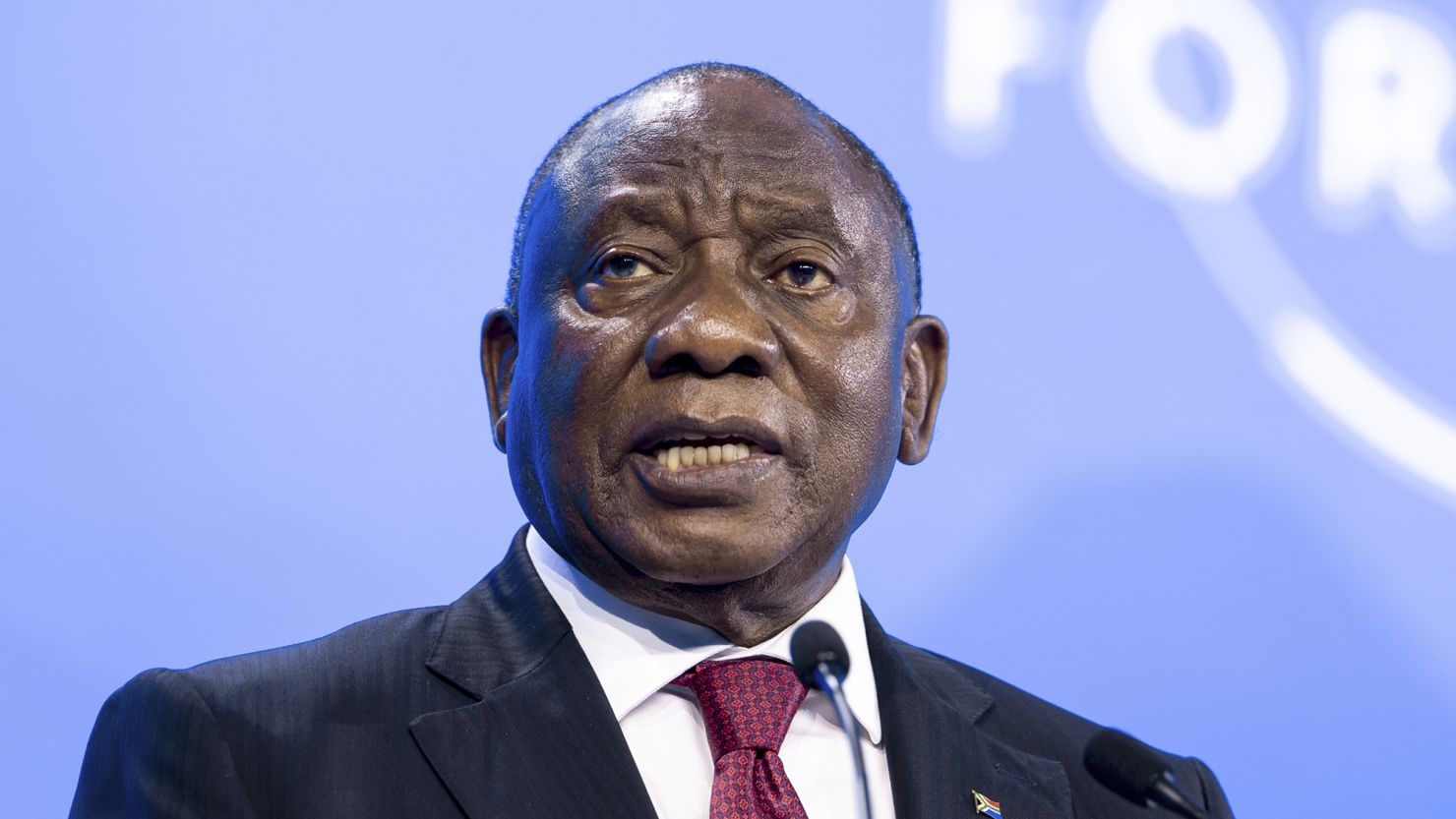
This emergency evacuation has become critical because South African anti-immigrant groups set an unofficial June 30, 2026, deadline for undocumented foreigners to leave. This ultimatum has created an environment of fear. Although South African President Cyril Ramaphosa has condemned the attacks, the recurring nature of these incidents continues to strain intra-African diplomatic relations.
Breaking Down Pan-African Solidarity
These mass repatriations pose significant challenges to the long-term economic integration of the Southern African Development Community (SADC) and the African Union (AU). Specifically, the crisis exposes three deep structural faults.
First, the forced evacuations reflect a total breakdown in the principle of free movement for African nationals. When countries must rescue their populations, it proves that local security frameworks have failed.
Second, the economic fallout will hit neighboring countries severely. South Africa is the continent’s largest economic hub and a primary destination for migrant workers. Therefore, this displacement directly destroys livelihoods and halts cross-border trade. Consequently, vulnerable families in Malawi and Zimbabwe will suffer from a sharp decline in financial remittances.
Third, the crisis damages the ideals of Pan-African unity. While regional bodies release statements condemning the violence, a lack of state accountability in South Africa allows the problem to fester. This deepens regional mistrust and undermines the long-term goals of Africa’s Agenda 2063.
Beyond Evacuations: Real Policy Solutions
Addressing this crisis requires moving beyond temporary crisis management toward sustainable regional policies.
Initially, the South African government must implement enforceable security policies. This means strengthening law enforcement, prosecuting perpetrators of xenophobic crimes swiftly, and funding public education campaigns to counter anti-immigrant misinformation.
Similarly, SADC and the African Union must take an active role. These bodies need to develop enforceable regional protocols for migrant protection. They should also establish early-warning systems to detect brewing unrest before it turns violent.
Finally, countries like Malawi, Nigeria, and Zimbabwe must engage in tougher bilateral diplomacy with Pretoria. Rather than relying on reactive evacuations, these nations should push for legal migration reforms that protect workers’ rights.
Conclusion
Malawi’s repatriation of its citizens provides immediate safety but highlights a massive failure in continental unity. These emergency extractions serve as a stark warning. True African integration will remain out of reach until South African authorities, sending nations, and regional bodies collaborate to dismantle the root causes of xenophobia. Only through sustained policy reform and shared accountability can the continent foster a safe, inclusive environment for all its citizens.