oluwatosin oyeniyi
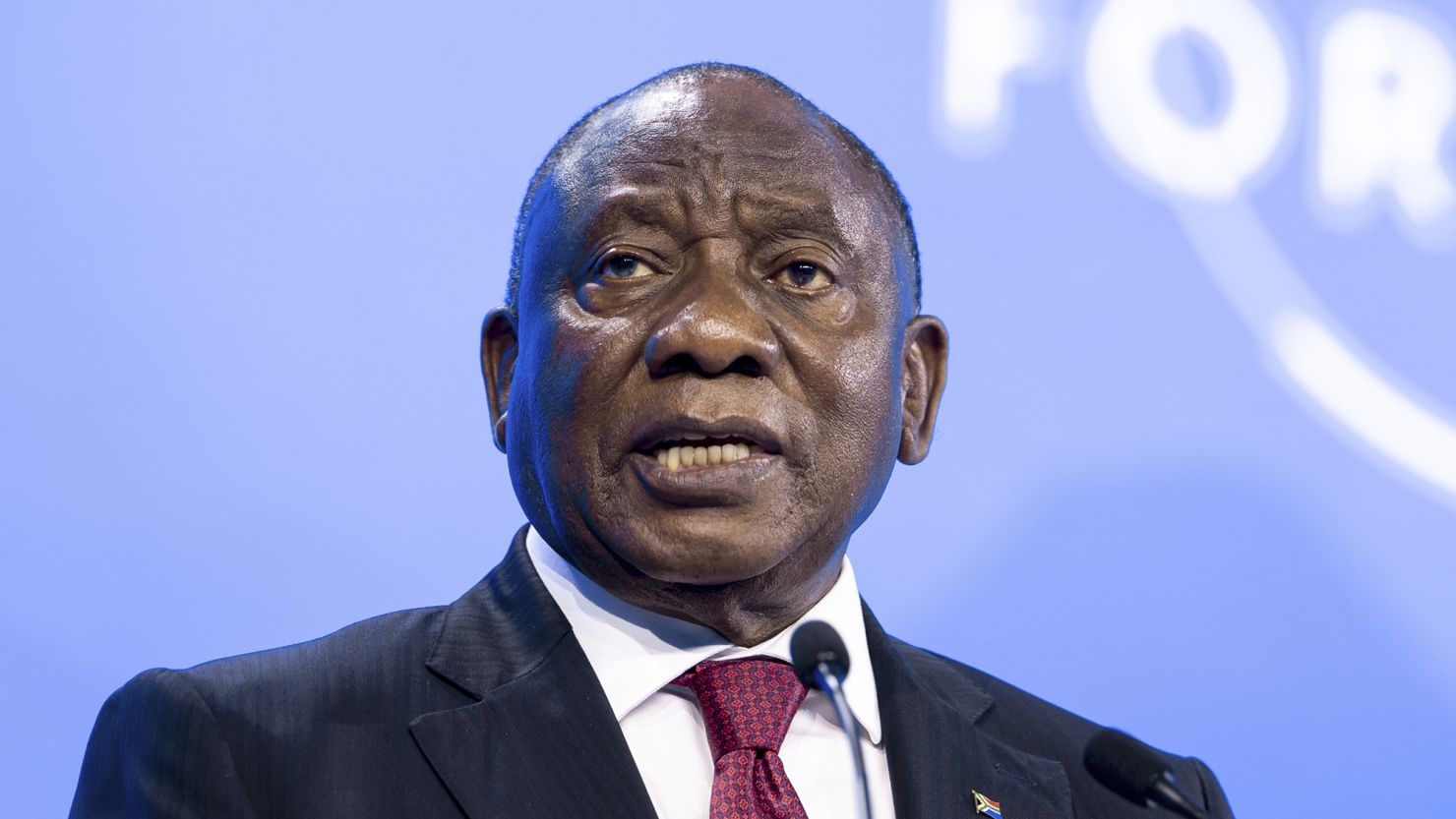
 The recent directive by Uganda’s Chief of Defence Forces, General Muhoozi Kainerugaba, to shut down two of the nation’s most prominent independent media outlets—the Daily Monitor newspaper and NTV Uganda—has sent shockwaves across the continent and beyond. This decisive action, executed on Sunday, June 28, 2026, saw military personnel deployed to the headquarters of the Nation Media Group (NMG) in Kampala, effectively silencing critical voices and raising profound concerns about the future of press freedom in Uganda.
General Kainerugaba, who is also the son of long-serving President Yoweri Museveni, justified his actions with a stark declaration on X (formerly Twitter):
“In Uganda, I do not believe in a free press! The press should be guided by cadres of the revolution.” He further asserted that “ALL bad stories about Uganda have to be cleared by my office!” and claimed that his authority to close media houses was granted by his father in 2017 . This statement not only underscores a disregard for journalistic independence but also highlights the deeply entrenched political dynamics at play in the East African nation.
What Happened and Why it Matters
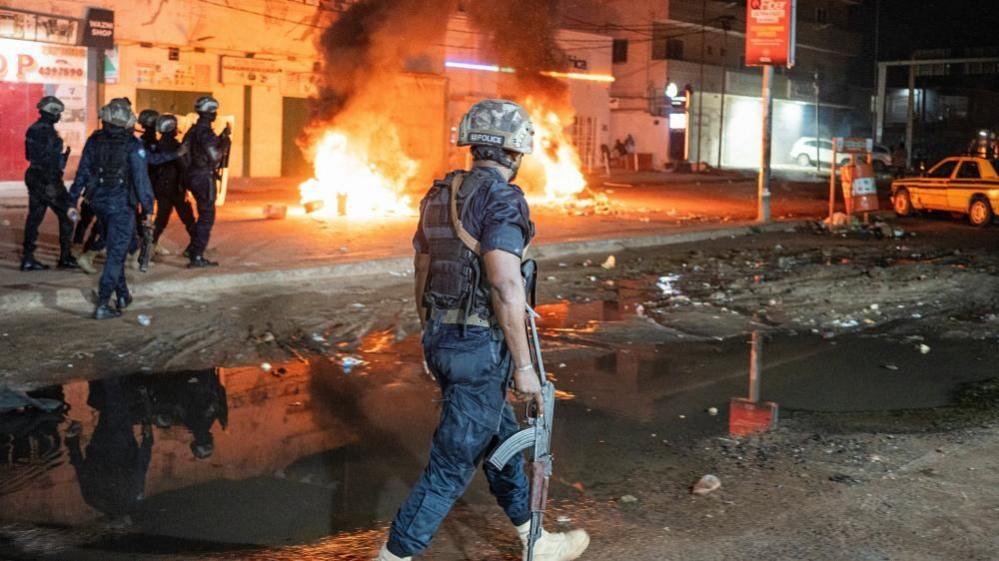
The crackdown targeted NMG Uganda, a subsidiary of the Nairobi-headquartered Nation Media Group, which owns the Daily Monitor, NTV Uganda, Spark TV, and several radio stations. Eyewitnesses reported armed security forces surrounding NMG premises, preventing staff movement and leading to blank screens for NTV and Spark TV viewers . This move is particularly significant given the Daily Monitor’s status as Uganda’s largest independent daily newspaper and NTV Uganda’s reach as a major private broadcaster. The abrupt closure of these outlets effectively stifles independent reporting and public discourse, especially as Uganda approaches the 2026 general elections.
This event is not an isolated incident but rather a continuation of a pattern of media suppression in Uganda. The Daily Monitor has faced government-ordered shutdowns in the past, notably a 10-day closure in 2013 over reports concerning a potential succession plan dubbed the ‘Muhoozi Project’ . NTV Uganda also experienced a temporary shutdown in 2007 following critical coverage of the government . These historical precedents underscore a consistent governmental discomfort with independent media, often labeled as “enemy and evil” by President Museveni himself .
Historical and Geopolitical Background
The current media crackdown is inextricably linked to Uganda’s complex political landscape, dominated by President Yoweri Museveni, who has been in power since 1986. At 81, Museveni’s prolonged rule has fueled speculation about his succession, with his son, General Kainerugaba, widely perceived as his anointed heir. Kainerugaba’s controversial social media presence, often characterized by provocative statements and threats against opposition figures like Bobi Wine, further complicates this narrative . The timing of this shutdown, ahead of the 2026 elections, suggests a strategic move to consolidate power and control information flow during a critical political period.
Stakeholders Involved and Their Reactions
The primary stakeholders in this unfolding drama include the Ugandan government and military, led by President Museveni and General Kainerugaba, and the affected media outlets and their staff. Civil society organizations, press freedom advocates, and opposition figures like Bobi Wine have swiftly condemned the actions, viewing them as a grave assault on democratic principles and human rights . The National Association of Broadcasters (NAB) in Uganda has expressed deep concern, emphasizing the constitutional rights violated by the shutdown . Regionally, the East African Press Councils have called for de-escalation, recognizing the broader implications for media freedom across the continent .
Economic and Social Implications
The economic repercussions of such a crackdown are significant. Nation Media Group, a publicly listed company, faces operational disruptions and potential financial losses. More broadly, the suppression of independent media can deter foreign investment and negatively impact Uganda’s economic outlook. Previous internet shutdowns in Uganda have resulted in substantial economic losses, with one five-day shutdown costing the country an estimated USD 16 million . A sustained assault on media freedom signals instability, eroding investor confidence and hindering economic growth. Socially, the absence of diverse and independent news sources limits citizens’ access to information, stifles public debate, and creates an environment ripe for misinformation and propaganda, particularly concerning critical national issues and the upcoming elections.
Forward-Looking Perspective
Addressing the escalating crisis requires a multi-faceted approach involving both domestic and international actors. Domestically, there is an urgent need for the Ugandan government to uphold its constitutional obligations regarding press freedom and freedom of expression. This includes immediately reversing the shutdown order, ensuring the safety of journalists, and engaging in constructive dialogue with media stakeholders. Strengthening independent regulatory bodies and judicial oversight could provide crucial checks against executive overreach. Civil society organizations and legal aid groups must continue to advocate for journalists’ rights and challenge unlawful actions through legal channels.
Internationally, regional bodies like the East African Community (EAC) and the African Union (AU) have a vital role to play in promoting democratic governance and press freedom among member states. Diplomatic pressure from international partners, coupled with targeted sanctions against individuals responsible for human rights abuses, could encourage accountability. Furthermore, supporting independent media initiatives and providing resources for investigative journalism in Uganda are crucial steps to bolster media resilience against state repression. Investing in digital literacy programs can also empower citizens to critically evaluate information and resist propaganda.
Conclusion
The shutdown of Uganda’s leading independent media outlets by General Muhoozi Kainerugaba represents a perilous moment for press freedom and democratic aspirations in the country. It is a stark reminder that the struggle for transparent governance and accountability remains ongoing in many parts of Africa. While the immediate impact is the silencing of critical voices, the long-term consequences could include further erosion of democratic institutions, diminished investor confidence, and increased political instability. For Uganda to foster a truly inclusive and prosperous future, it must embrace, rather than suppress, the vital role of a free and independent press in holding power to account and informing its citizenry.