oluwatosin oyeniyi
 Sixty-six years ago, on June 30, 1960, the Democratic Republic of Congo (DRC) emerged from Belgian colonial rule with a fervent hope for self-determination and prosperity. The iconic words of its first Prime Minister, Patrice Émery Lumumba, who spoke of the “excruciating suffering” endured under colonial oppression, resonated with a nation eager to chart its own destiny . Yet, as the DRC commemorates this significant anniversary in 2026, the promise of independence remains largely unfulfilled, overshadowed by persistent governance deficits, a paradoxical economic landscape, and a relentless security crisis in its eastern provinces.
The Shadow of Conflict: Eastern DRC in Crisis
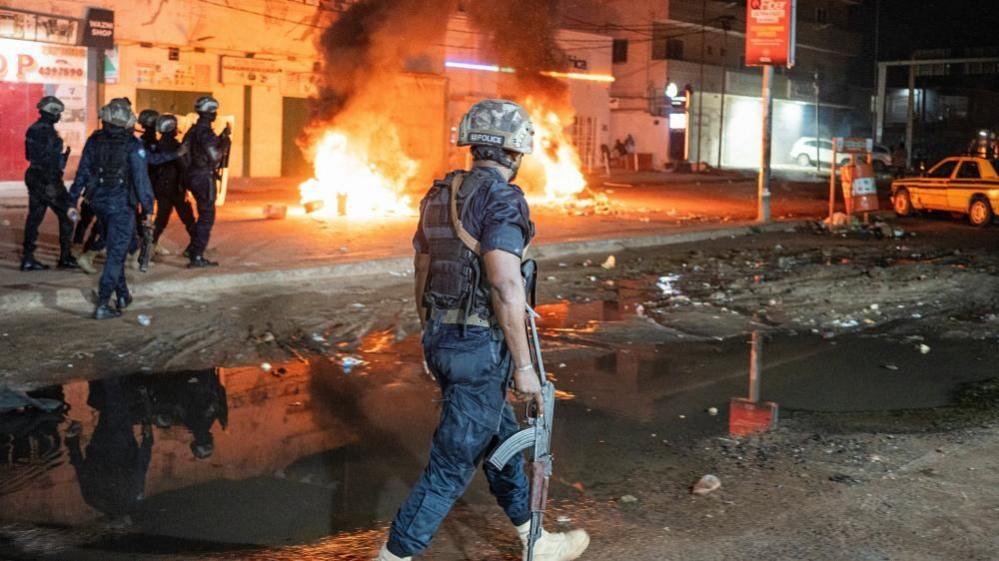
The eastern region of the DRC continues to be a crucible of instability, dominated by the resurgence of the M23 rebel group. Supported by Rwanda, the M23 has made significant territorial gains, including the capture of key cities like Goma and Bukavu in early 2025 . The conflict is characterized by intense clashes in North and South Kivu, particularly in areas like Walungu district, where the M23 is not only fighting but also attempting to establish parallel governance structures, including courts and administrative systems . This de facto administration challenges the sovereignty of the Congolese state and exacerbates the humanitarian crisis, with the UN Human Rights Office documenting over 2,560 human rights violations affecting thousands of victims in recent months .
Despite ongoing mediation efforts, such as the Doha Process facilitated by Qatar and the US-led Washington Process, a Qatari-brokered ceasefire remains fragile and frequently violated . The complexity of the conflict is further compounded by the involvement of various armed groups and the strategic interests of neighboring countries, turning the eastern DRC into a geopolitical chessboard. The international community, through the UN Organization Stabilization Mission in the DRC (MONUSCO), continues its efforts to stabilize the region, but the scale of the challenge is immense.
Governance and the Quest for Stability
President Félix Tshisekedi’s administration faces an uphill battle in consolidating democratic gains and extending state authority across the vast nation. The recent sentencing of former President Joseph Kabila to death in absentia for alleged treason and support for the M23 highlights the deep political fissures within the country . Such high-profile legal actions, while aimed at asserting state authority, also underscore the fragility of political institutions and the ongoing struggle against corruption and impunity. The BTI Transformation Index for 2026 notes that the DRC continues to face significant challenges in democratic consolidation and economic development, reflecting a broader struggle for effective governance .
The Resource Paradox: Wealth Amidst Poverty
The DRC is endowed with immense natural resources, including vast reserves of cobalt and coltan, critical minerals essential for the global green energy transition. This mineral wealth, however, has historically been a source of conflict rather than prosperity, leading to what is often termed the “resource curse.” While international partners, including the United States, are engaging in strategic partnerships for critical minerals, the benefits often fail to trickle down to the local population . Sanctions have been imposed on entities linked to illegal mining and trafficking, particularly around coltan sites like Rubaya, yet illicit trade continues to fuel armed groups and perpetuate cycles of violence and exploitation .
The World Bank’s March 2026 Economic Update for the DRC emphasizes the need for reforming State-Owned Enterprises to move the economy “from parking lot to fast lane” . However, achieving sustainable economic development requires not only structural reforms but also political stability and transparent governance to ensure that the nation’s wealth benefits its citizens rather than a select few or armed factions.
Humanitarian Crisis and Public Health Challenges
The protracted conflict and governance issues have led to one of the world’s most severe humanitarian crises, with millions displaced and dependent on aid. Adding to this complex tableau, an Ebola outbreak in early 2026 was declared a public health emergency of international concern by the World Health Organization (WHO) . This health crisis further strains an already fragile healthcare system and complicates humanitarian access, particularly in conflict-affected areas, creating a vicious cycle of disease and displacement.
Conclusion: A Call for Renewed Commitment
As the Democratic Republic of Congo marks its 66th Independence Day, the occasion serves as a poignant reminder of Lumumba’s unfulfilled vision. The nation stands at a critical juncture, where the aspirations for peace, prosperity, and genuine sovereignty are continually challenged by internal strife and external interference. Addressing these multifaceted challenges requires a renewed commitment from both the Congolese leadership and the international community. This includes strengthening governance, ensuring equitable distribution of mineral wealth, and fostering sustainable peace in the eastern regions. Only then can the DRC truly begin to realize the promise of its hard-won independence and build a future worthy of its people.