oluwatosin oyeniyi
 A breakthrough electoral pact between Libya’s rival governing factions has shattered years of institutional inertia. Driven by intense American pressure to secure Mediterranean energy alternatives, North Africa’s most volatile political theater is rushing toward a high-stakes legislative reset.
The Midnight Accord in Tripoli
In a striking departure from years of institutional gridlock, Libya’s key governing institutions have formally signed a synchronized constitutional roadmap. The leaders of the House of Representatives, the High Council of State, and the Presidential Council issued a joint declaration committing to concurrent presidential and legislative elections within an eight-month window. This sudden consensus sets a definitive deadline of February 17, 2027, to permanently replace the country’s fractured transitional governance structures.
For an electorate that has seen multiple UN-backed voting initiatives collapse since the aborted 2021 cycle, the sudden finality of this agreement signals a massive shift in elite alignment. This momentum highlights that achieving long-term Libya stability is no longer a distant domestic aspiration but an urgent international mandate.
Crude Diplomacy and the Libya Stability Matrix
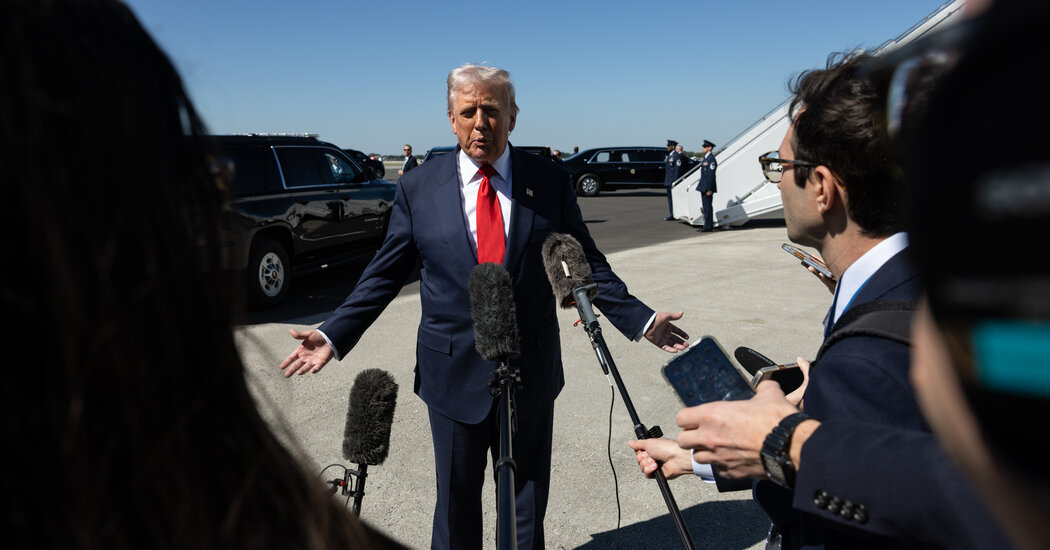
This sudden legislative sprint is not merely the product of domestic reconciliation, but the result of aggressive, backchannel transactional diplomacy managed by Washington. United States Senior Advisor for African and Arab Affairs, Massad Boulos, has spent months quietly building an alternative regulatory framework designed to unify the state’s parallel fiscal systems. Washington is executing a highly pragmatic energy strategy across the Mediterranean basin, directly tying financial restructuring to immediate output increases.
With global energy flows heavily constricted by escalating maritime blockades and security threats in the Strait of Hormuz, Western economies desperately require a stable, high-yield supplier to offset global market deficits. Libya possesses Africa’s largest proven crude reserves, making its oil wells highly prized geopolitical assets.
By working directly with key power brokers, including the eastern-based Libyan National Army led by Khalifa Haftar and the western Government of National Unity, U.S. diplomats successfully brokered a historic unified budget. Major American energy giants have already capitalized on this stabilization, signing expansive investment agreements to double national output to three million barrels per day by the end of the decade. Global policymakers consistently overlook how this strategy pivots away from the slow, rule-based consensus of the United Nations. Instead, it embraces a top-down approach where economic survival overrides ideological democratic purism.
Shifting Fault Lines Across North Africa
The strategic restructuring of Libya’s state machinery carries immediate consequences for the broader geopolitical stability of North Africa. For over a decade, the country operated as a fragmented playground for foreign proxy competition, with Turkey providing extensive military backing to the western administration while Russian private military forces fortified the eastern theater. A swift executive unification engineered by Washington alters the strategic calculations of these external actors. Neighboring heavyweights—specifically Egypt, Algeria, and Tunisia—are monitoring the transition closely. These Mediterranean states recognize that any sudden power imbalance in Tripoli immediately destabilizes shared border networks and cross-border security architectures.
Furthermore, a stabilized, high-export Libyan economy completely redefines regional energy dynamics within the African continent. Increased flows of Libyan crude provide European markets with an immediate alternative to sub-Saharan suppliers, altering competitive pricing structures for oil-exporting nations like Nigeria and Angola. Conversely, if the eight-month roadmap collapses into renewed civil war, the resulting security vacuum will instantly revitalize illicit weapon flows and human trafficking networks across the Sahel, complicating regional stabilization initiatives currently managed by the African Union.
The Hazard of Transactional Peace
The most glaring contradiction within this accelerated roadmap is the dangerous reliance on a purely commercial peace. While a unified budget and stable oil exports create short-term economic relief, they fail to resolve the deep constitutional ambiguities that triggered previous civil conflicts. The current architecture essentially rewards entrenched elites, offering them control over surging state revenues without establishing independent anti-corruption oversight. Central Bank devaluations have already eroded the purchasing power of ordinary citizens, driving domestic inflation up by more than 27 percent.
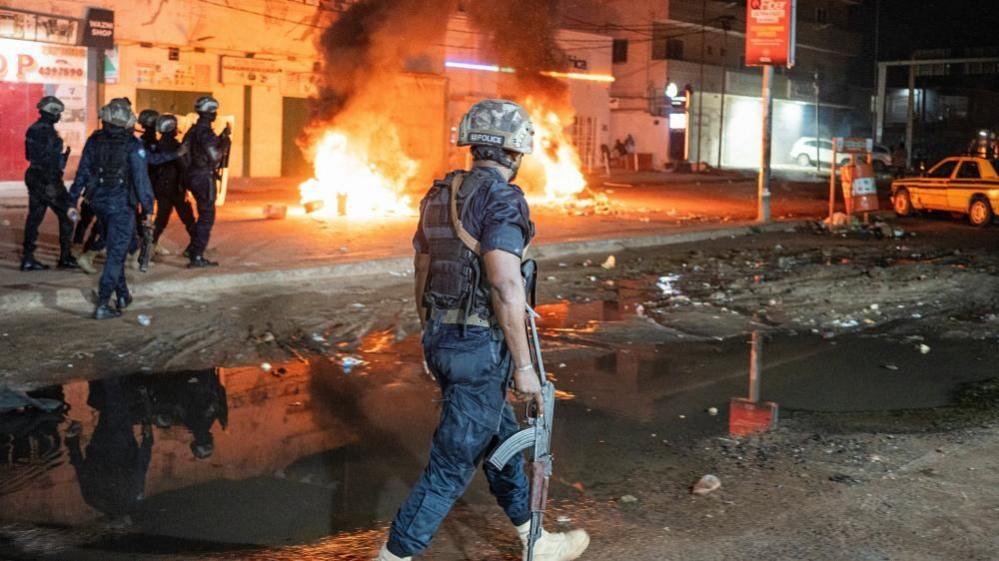
The unintended consequences of this approach could prove catastrophic for Libya’s long-term democratic transition. By prioritizing immediate energy production, the international community risks validating a governance model where military command structures remain entirely decentralized. If the upcoming February elections produce an outcome that threatens the economic interests of dominant armed factions, the superficial institutional unity will vaporize. Libya will likely slide back into territorial blockades, using the state’s oil infrastructure as a weapon of political leverage once again.
A Race Against the February Deadline
Moving forward, the primary operational challenge will be the technical execution of concurrent elections within an exceptionally tight timeframe. The High National Elections Commission must immediately register millions of voters and secure highly volatile polling stations across deeply divided territories. Factional leaders must also agree on the precise, legal eligibility criteria for presidential candidates—a highly contentious bottleneck that completely derailed the 2021 electoral process.
Simultaneously, the United States and its European allies will likely escalate their economic carrot-and-stick strategy. Washington will continue leveraging technical support and targeted sanctions postures to keep rival leaders at the negotiating table, ensuring that oil production maintains its current ten-year high. The ultimate test of this transition will occur when the official campaign season opens, exposing whether the newly unified state institutions can withstand intense domestic political competition without fracturing along historical fault lines.
Conclusion
The sudden acceleration of Libya’s electoral timeline confirms that global energy demands have surpassed standard diplomatic state-building protocols. For African policymakers, the strategic lesson is clear: true institutional stability cannot be built solely on the transactional demands of external energy consumers.
Enduring state sovereignty requires a deep constitutional consensus, transparent public financial management, and the total subordination of armed factions to civilian oversight. Libya’s long-term trajectory will not be determined by the volume of oil flowing to Western markets, but by the courage of its leaders to move beyond profitable elite pacts and build a state accountable to its own citizens.
Report on Libya’s Election Roadmap: This global news coverage http://Report on Libya’s Election Roadmap highlights the breakthrough agreement signed by Libya’s top rival governing bodies to establish the historic eight-month electoral timeline.