Oluwatosin
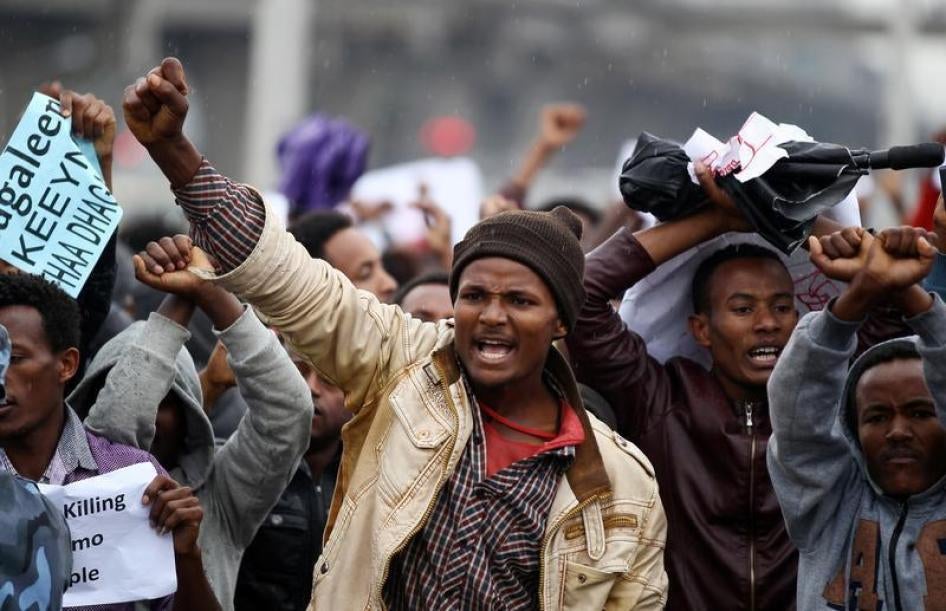
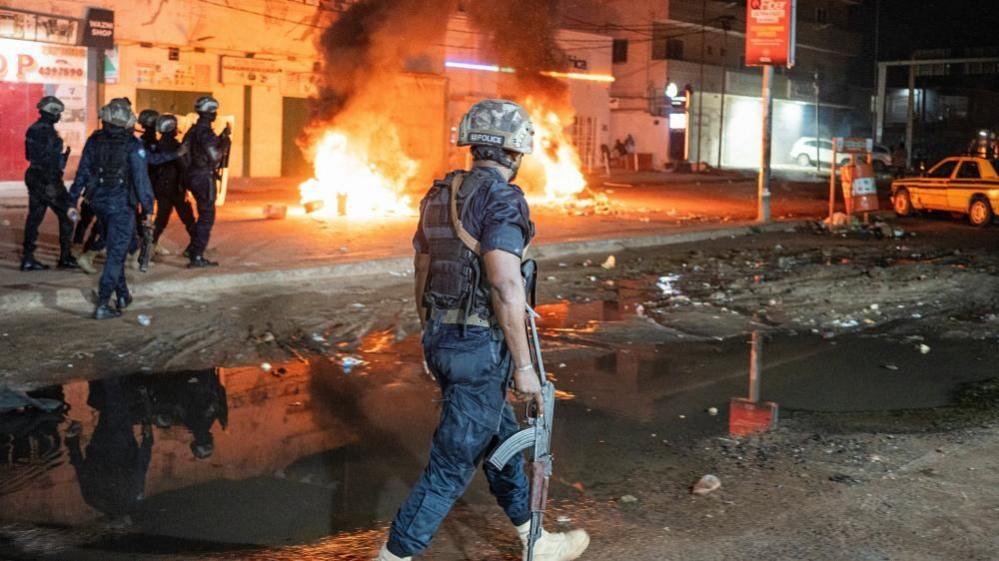
 Across the continent, a troubling pattern continues to surface; Africans turning against fellow Africans. From street-level violence to subtle discrimination, the tension is often described in one word: xenophobia. But what exactly does that mean, and why does it keep happening?
What Is Xenophobia?
Xenophobia is the fear, dislike, or hostility toward people perceived as “foreign” or outsiders. It goes beyond simple disagreement or cultural differences, it manifests as exclusion, discrimination, and in extreme cases, violence. In many African contexts, xenophobia does not always involve people from outside the continent. Instead, it often occurs between Africans of different nationalities. A Nigerian in South Africa. A Congolese trader in Angola. A Somali shop owner in Kenya. The key factor is not race but perceived “otherness.”
Xenophobia vs Migration Issues: What’s the Difference?
It’s important not to confuse xenophobia with migration challenges. Migration issues are about:
- Border control
- Employment competition
- Urban pressure (housing, services)
- Government policy
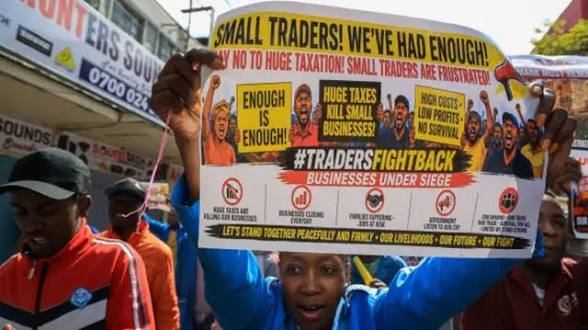
These are structural and policy-related concerns that require governance solutions. Xenophobia, on the other hand, is about how people respond to these challenges. It is emotional, often irrational, and rooted in fear, misinformation, and frustration. For example: Saying “there are not enough jobs” is a migration concern. Attacking a foreign shop owner because of that belief is xenophobia. One is a policy problem. The other is a social reaction.
Why It Matters in Africa
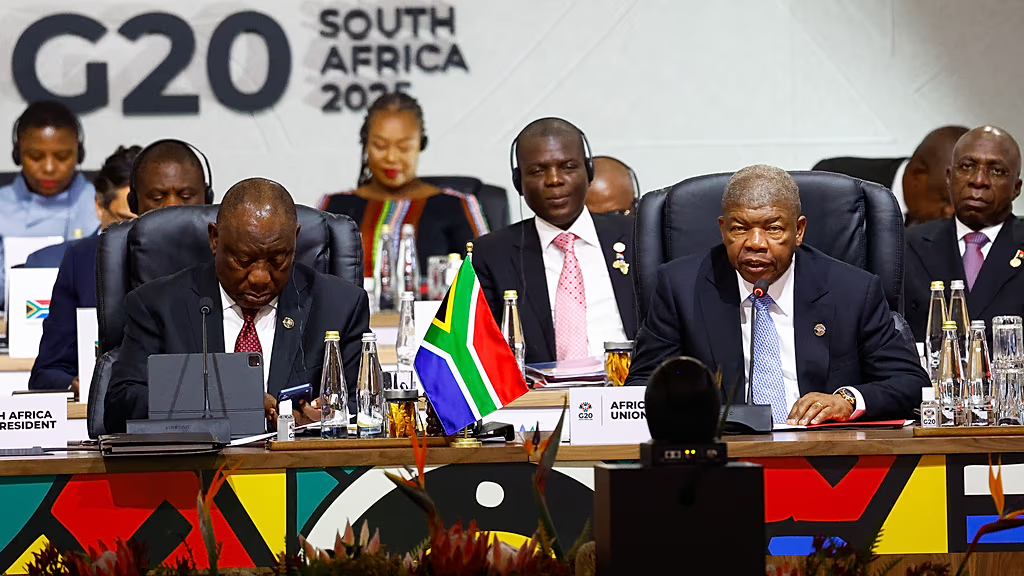
Africa has one of the highest levels of intra-continental migration in the world. Millions of people move across borders every year in search of safety, work, education, or better opportunities. Regional bodies like African Union and ECOWAS have long promoted free movement as a tool for economic growth and unity. But xenophobia directly undermines this vision.
When Africans begin to see each other as threats instead of partners: Economic integration weakens, regional cooperation breaks down, social trust erodes and violence becomes normalized. It also creates a dangerous contradiction that Africa cannot advocate for global fairness while struggling to sustain unity within its own borders.
Why Are Africans Attacking Africans?
The answer is uncomfortable, but necessary. Xenophobia in Africa is rarely just about nationality. It is often a symptom of deeper structural issues:
- Economic Pressure: High unemployment, especially among young people, creates competition for limited opportunities. Foreigners are often seen as easy targets.
- Government Failure: When systems fail—jobs, security, infrastructure, citizens look for someone to blame. Foreign nationals become scapegoats.
- Political Narratives: In some cases, leaders or local influencers subtly (or openly) blame migrants to deflect attention from governance failures.
- Misinformation: Rumors spread quickly: “they are taking our jobs,” “they control the economy,” “they are criminals” often without evidence.
- Identity and Belonging: In times of instability, people cling more tightly to identity, tribe, nationality, or culture creating an “us vs them” mindset.
Xenophobia is not just about isolated incidents of violence. It is a reflection of how societies respond to pressure.
When systems are strong, diversity becomes an asset.
When systems are weak, diversity becomes a target.
The real issue, therefore, is not simply the presence of foreigners but the absence of stability, opportunity, and trust. Understanding xenophobia is the first step. Addressing it requires more than condemnation, it demands structural solutions, honest conversations, and a rethinking of what African unity truly means.
In the next episode, we will examine where xenophobia is most visible on the continent. and why certain countries experience it more intensely than others.