oluwatosin oyeniyi
 African health ministers and international delegates convened in Nairobi on April 29, 2026, for the World Health Summit Regional Meeting, formally recognizing the end of Western-dependent medical financing. The three day conference at the United Nations complex marked a definitive pivot toward continental health sovereignty following the United States government’s decision to dismantle its $40 billion Agency for International Development. The sudden collapse of official development assistance, which fell by an estimated $31 billion globally in the preceding year, has forced African governments to urgently recalibrate how they fund essential medical services and pandemic preparedness.
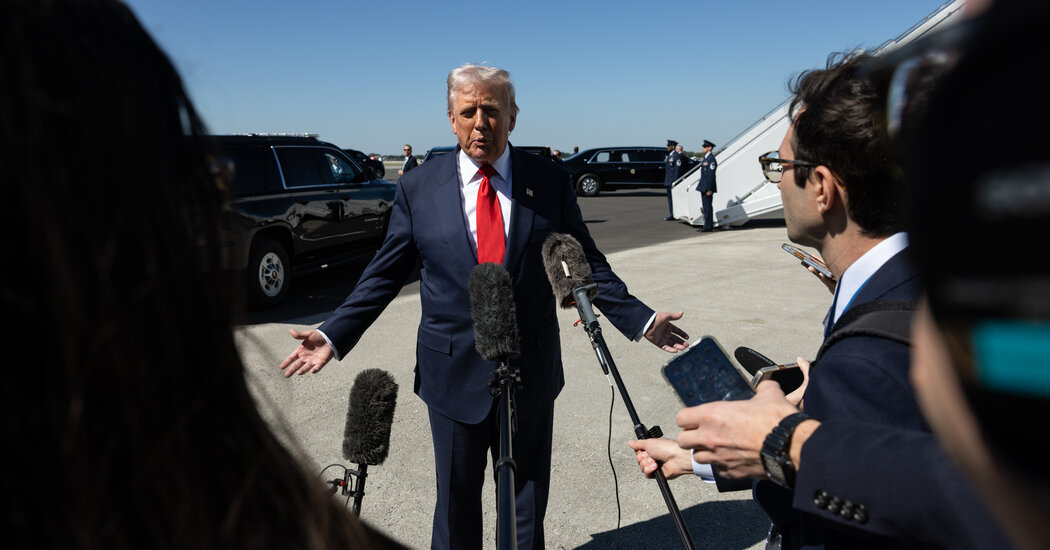
The dissolution of USAID during the second administration of US President Donald Trump removed a primary pillar of the global health architecture. For decades, American bilateral aid subsidized the vast majority of HIV/AIDS treatments through established global programs, alongside comprehensive malaria and tuberculosis initiatives across the continent. When the Department of Government Efficiency initiated the freeze and subsequent restructuring of these programs in early 2025, the immediate fiscal shock cascaded through African ministries of health. The disruption caused immediate service contractions, forcing the closure of rural clinics and interrupting vital antiretroviral supply chains from Johannesburg to Kampala. The financial gap is particularly acute for programs targeting maternal health and infectious disease control, sectors that previously relied heavily on predictable, multi-year commitments from Washington.
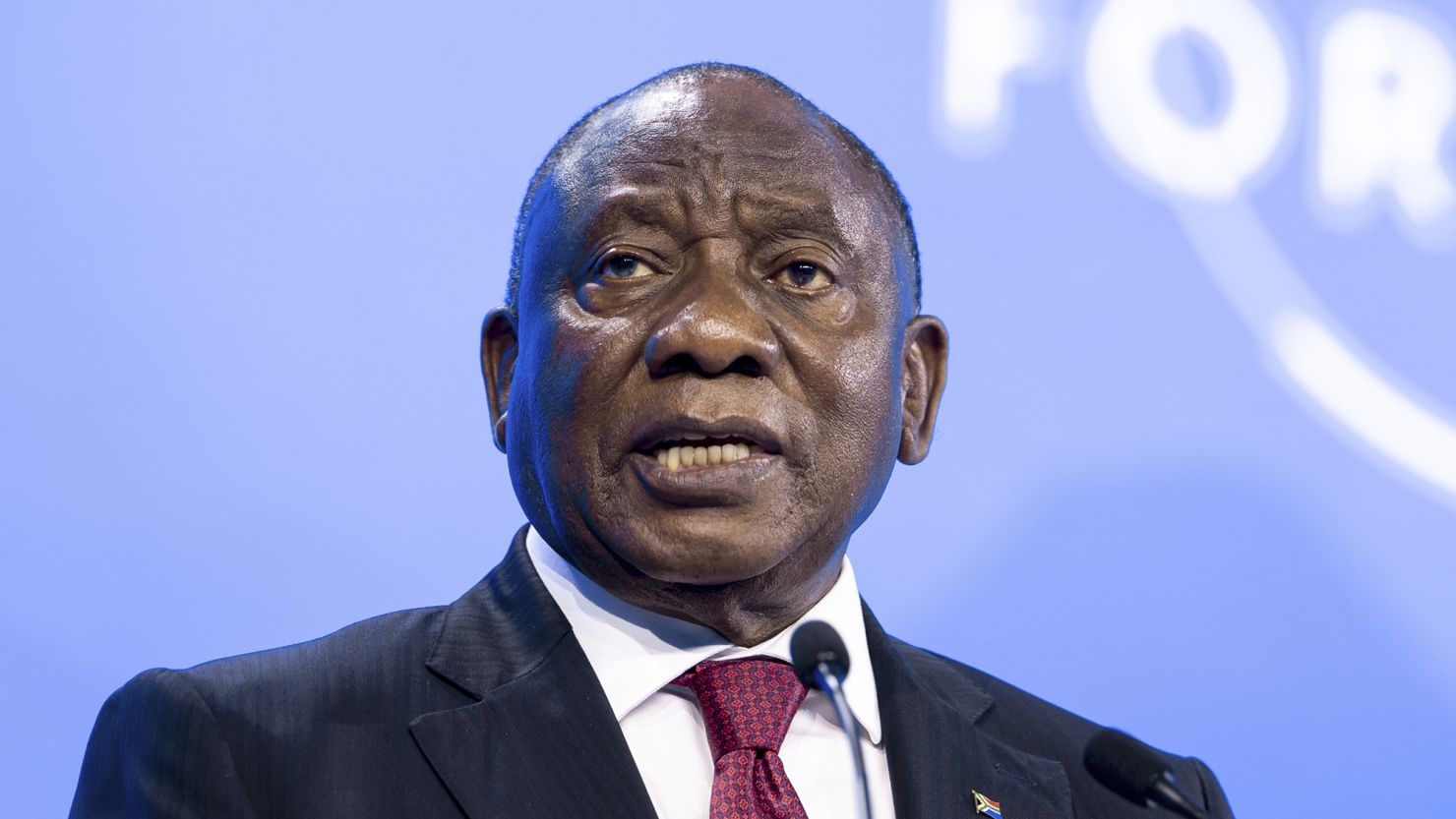
In response to this severe contraction, the Nairobi summit, co-hosted by the World Health Organization, sought to frame the crisis not merely as a humanitarian deficit but as a long overdue administrative catalyst. Kenyan President William Ruto explicitly addressed this paradigm shift during the opening plenary. He stated to the assembly that the core challenge lies in the enduring belief among continental leaders that health financing remains the responsibility of external agencies. The discussions prioritized a unified African position ahead of the upcoming World Health Assembly in Geneva, centering on governance, domestic resource mobilization, and the rapid expansion of local pharmaceutical manufacturing. Ruto challenged the continent’s reliance on external imports, questioning why African nations continue to bypass their own growing manufacturing bases in Egypt, Kenya, and South Africa to procure medical supplies abroad.
This diplomatic and financial pivot matters because it exposes the profound structural weakness of the donor and recipient model that has defined African public health since the 1990s. The continent currently shoulders a quarter of the global disease burden yet manufactures less than two percent of the medical commodities it consumes. By outsourcing the funding and procurement of life saving treatments to external entities, African states inadvertently surrendered a critical component of their national security. The overnight evaporation of American aid proved that sovereign health cannot be outsourced. When geopolitical priorities shift in Western capitals, the resulting fiscal gaps directly threaten domestic stability in African nations.
Furthermore, the crisis intersects heavily with issues of political continuity and control. Historically, foreign health aid provided an artificial fiscal buffer for many African administrations. With external donors covering the most expensive public health interventions, governments could divert domestic revenue toward infrastructure, security apparatuses, or patronage networks that ensure political survival. The sudden withdrawal of this external subsidy strips away that buffer. Administrations are now forced to extract domestic resources to fund healthcare, a move that demands higher taxation and necessitates greater accountability to the electorate. The transition tests the political resilience of these governments, as failing to deliver baseline health services directly undermines state legitimacy. The shift from a subsidized health economy to a sovereign one dictates that political continuity will increasingly depend on a government’s ability to maintain public health infrastructure without foreign capital.
As World Health Summit co-host Lukoye Atwoli observed to delegates, the outdated aid system was built upon the concept of poor medicine for poor people. That era, he declared, has concluded, pointing to regional efforts to implement comprehensive insurance models. Axel Pries, the summit president, echoed this sentiment, noting that the political changes in donor nations demand a complete paradigm shift in how health systems are financed locally. Pries specifically warned against the emerging trend of new bilateral treaties that treat health data as a tradable commodity, emphasizing the absolute need for robust data sovereignty in the face of highly transactional diplomacy.
The broader implication of the Nairobi consensus is the formal securitization of public health. African capitals are no longer treating medical capacity as a purely humanitarian concern. It is now viewed as a central pillar of macroeconomic stability and state sovereignty. The vulnerability exposed by the USAID collapse mirrors the vaccine inequities witnessed during the COVID-19 pandemic. The pattern is clear: in times of global economic tightening or nationalist political resurgences in the West, Africa is consistently forced to the back of the supply chain. The realization that external aid is fundamentally unreliable is driving a profound realignment of continental priorities toward autarky in critical sectors.
To translate the rhetoric of health sovereignty into a functional reality, African states must implement aggressive, coordinated policy solutions. The primary requirement is the immediate operationalization and capitalization of the African Medicines Agency. By harmonizing regulatory frameworks across member states, the agency can create a single, unified market large enough to attract serious private investment in domestic pharmaceutical manufacturing. This approach reduces dependency on imported generics and builds a resilient internal supply chain capable of withstanding global shocks.
Secondly, ministries of finance must structurally reform domestic health financing. Relying on unpredictable general taxation is insufficient. Governments should institute dedicated, ring fenced health levies on non essential goods and corporate resource extraction to guarantee a baseline of funding for primary care. These funds must be managed transparently to ensure they directly offset the shortfall left by departing international agencies. President Ruto emphasized this exact necessity, arguing that health must be treated as a core sovereign investment rather than a peripheral administrative cost.
Thirdly, governments must aggressively expand national health insurance schemes to capture the informal sector. By pooling risk domestically, states can generate predictable revenue streams that insulate clinics from the volatility of government budget cycles. This requires a digital infrastructure that allows for micro contributions via mobile money platforms, ensuring that even the most remote populations contribute to and benefit from the national health pool.
Finally, the continent must establish strict data governance protocols. As foreign entities attempt to secure access to African genetic and epidemiological data in exchange for diminished bilateral funding, the African Union must enforce a unified data protection regime. Sovereign health requires sovereign data. Agreements should mandate strict technology transfers and guarantee that any treatments developed using African data are priced accessibly for local markets.
The abrupt end of American health subsidies presents severe immediate challenges, yet the gathering in Nairobi suggests that the continent is preparing to absorb the shock. True sovereignty requires bearing the full cost of survival, and the decisions made in the wake of this summit will determine whether Africa can permanently rewrite the terms of its own health security.