oluwatosin oyeniyi
 The Independent Electoral and Boundaries Commission formally concluded its Enhanced Continuous Voter Registration exercise on April 28, 2026, marking the end of a highly scrutinized thirty-day civic mobilization. Preliminary field reports indicate an unexpectedly heavy turnout of newly eligible voters in Nairobi’s densely populated peri-urban corridors, most notably in Kahawa West. Driven by the commission’s proactive “Niko Kadi” campaign, the registration drive aimed to capture 2.5 million new voters in its initial phase, contributing to an overall target of 6.5 million fresh enrollments before the August 2027 general elections. The late surge in youth participation across the capital provides a clear signal that the demographic parameters of Kenyan politics are undergoing a rapid and permanent realignment.
The context of this registration cycle differs fundamentally from previous administrative efforts. Launched on March 30, the operation deployed mobile biometric kits across all 1,450 county assembly wards, higher education institutions, and Huduma Centres. IEBC Chairperson Erastus Edung Ethekon explicitly designed the rollout to target the post-2022 cohort of voting-age youth, shifting the commission from a historically passive registration model to a decentralized, proactive strategy. By deploying temporary clerks directly into communities and utilizing targeted digital messaging, the electoral body sought to build a comprehensive national registry projected to reach 28.5 million voters. The intense activity witnessed in the final hours of the deadline suggests that the messaging successfully penetrated its intended audience.
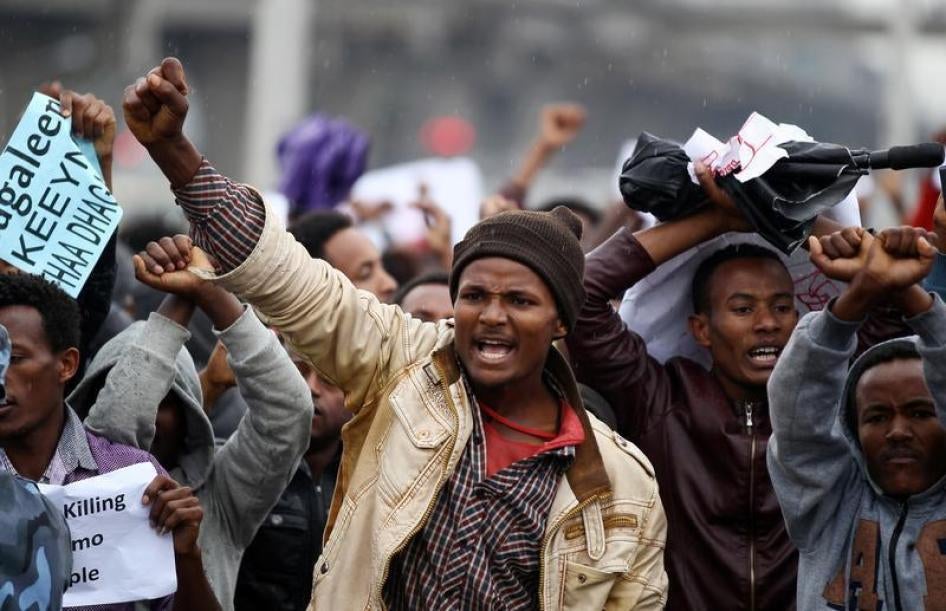
Kahawa West serves as a highly accurate barometer for this shifting national dynamic. Situated on the northern edge of Nairobi, the ward exists at the intersection of expanding informal settlements, lower-middle-class housing estates, and the massive student population surrounding Kenyatta University. Historically, voter apathy has plagued such demographics, with young urban residents frequently citing a severe disconnect between the political elite and their daily economic realities. However, the long queues observed outside registration centers in Kahawa West over the final forty-eight hours of the window point to a calculated change in strategy. The youth demographic is transitioning away from the localized, street-level protests that have defined the Kenyan civic space over the last two years and is moving aggressively toward formalized, institutional participation.
This pivot from public agitation to electoral registration matters profoundly because it threatens to neutralize the traditional mechanisms of political control in Kenya. For decades, presidential and parliamentary victories have relied on a predictable formula of ethnic arithmetic, where regional kingpins negotiate power-sharing agreements to deliver homogeneous voting blocs. The new entrants registering in Kahawa West and similar urban nodes across the country represent an entirely different electoral calculus. They constitute a class-based, digitally connected voting bloc motivated almost exclusively by shared economic grievances rather than ancestral or regional loyalties. If this newly minted demographic maintains its current mobilization momentum and votes cohesively, it possesses the sheer numerical density required to dismantle the established political continuity that has governed the nation for successive cycles.
The high enrollment numbers simultaneously expose a severe structural weakness within the Kenyan state. The central government has consistently struggled to absorb an expanding, highly educated youth bulge into the formal economy. Punitive taxation measures, rising inflation, and a stagnant job market heavily reliant on the informal gig economy have created a highly volatile socio-economic environment. Previous administrations have attempted to manage this demographic vulnerability through short-term patronage, localized development funds, or temporary public works schemes. The intense registration turnout in urban wards indicates that the youth are no longer receptive to these localized pacification tactics. They are actively seeking systemic, macroeconomic policy overhauls and are preparing to use the ballot box to mandate those structural changes.
To manage this demographic shift and protect the structural integrity of the 2027 elections, urgent institutional solutions are required from both the state and the political establishment. The foremost priority rests with the Independent Electoral and Boundaries Commission. The commission must immediately implement a transparent, fully digitized audit of the newly expanded voter roll. Given the historical mistrust surrounding electoral infrastructure in Kenya, the IEBC needs to deploy real-time, open-source verification tools that allow voters to confirm their biometric data and polling station assignments independently. This level of radical transparency is the only viable mechanism to preempt allegations of data manipulation that typically trigger post-election legal disputes.
Simultaneously, the broader political establishment must undergo a fundamental operational restructuring. The era of the personality-driven, ethnic coalition is reaching its operational limits. Political parties must pivot toward ideological, issue-based platforms to remain viable. They need to present binding, thoroughly costed manifestos that directly address the structural weaknesses driving youth dissatisfaction, specifically focusing on sovereign debt management, anti-corruption enforcement, and targeted capital investments in the digital and manufacturing sectors. Parties that fail to adjust their messaging to the daily realities of voters in places like Kahawa West will find themselves numerically outmatched on polling day.
Furthermore, the national government should institutionalize civic engagement beyond the narrow constraints of the electoral cycle. The Ministry of Youth Affairs, working in tandem with independent civil society organizations, must establish permanent dialogue frameworks within urban wards. By decentralizing administrative structures and granting local youth councils statutory oversight over municipal budgets, the government can integrate this demographic into the daily administration of the state. Proactive inclusion of this nature reduces the immense pressure placed on the general election as the sole avenue for political expression.
The conclusion of the national voter registration drive is not merely a logistical milestone for the electoral commission. The focused energy witnessed in the lines of Kahawa West represents an electorate that has recognized its own leverage and is organizing accordingly. The fundamental challenge for Kenya in the coming year is ensuring its political institutions are resilient enough to process the mandate this new generation is preparing to deliver.