oluwatosin oyeniyi
 The 2026 FIFA World Cup kicked off with an unexpected twist, as South Africa’s national team, Bafana Bafana, suffered a 2-0 defeat to Mexico in a highly physical match marred by three red cards. While a loss in a major tournament opener is often met with disappointment, the reaction across the African continent was far from unified support. Instead, a striking display of regional tension emerged, with fans from neighboring South Sudan, Nigeria, and Zimbabwe openly celebrating South Africa’s defeat. This unusual backlash highlights a deeper, more troubling issue: the ongoing xenophobic unrest in South Africa, which has heavily bled onto social media and shattered traditional African football solidarity.
Bafana Bafana’s Opening Night: A Triple Red Card Disaster
The 2026 FIFA World Cup commenced with a dramatic and contentious opening match between co-hosts Mexico and South Africa at Mexico City’s Estadio Azteca. South Africa’s Bafana Bafana succumbed to a 2-0 defeat, but it was the unprecedented three red cards—two for South Africa and one for Mexico—that truly set a negative tone for the tournament’s inaugural game. This marked the most red cards ever seen in a World Cup opening contest, making history for all the wrong reasons.
Mexico’s Julián Quiñones opened the scoring with a low strike less than nine minutes into the game. South Africa’s hopes of a comeback were severely hampered early in the second half when midfielder Sphephelo “Yaya” Sithole received a straight red card for a foul on Brian Gutiérrez. Raúl Jiménez then sealed Mexico’s victory with a header midway through the second half. The situation worsened for Bafana Bafana when Themba Zwane was also sent off after a VAR review for striking Roberto Alvarado. Brazilian referee Wilton Pereira Sampaio completed the trio of dismissals by showing a red card to Mexico’s César Montes in stoppage time.
This performance left South African fans distraught, with many expressing their disappointment. The South African government, however, commended Bafana Bafana for their “spirited performance,” emphasizing that the team “represented South Africa with unity, determination, and a sense of pride on the world’s biggest stage,” despite the unfavorable scoreline. This official stance, however, contrasted sharply with the sentiment brewing across the continent.
The African Backlash: Xenophobia Bleeds onto the Pitch
The most striking aspect of South Africa’s World Cup opener was not the on-field performance, but the unprecedented “African backlash” that unfolded across social media. Traditionally, African nations rally behind their continental representatives in major tournaments, but this year, a significant portion of fans from countries like South Sudan, Nigeria, and Zimbabwe openly celebrated Bafana Bafana’s defeat. This shift in solidarity was directly linked to the ongoing xenophobic unrest in South Africa.
Social media platforms were flooded with memes and posts playfully embracing Mexican culture (sombreros, mariachi bands, and tacos) while explicitly distancing themselves from South Africa’s team. The underlying message was clear: this was a protest against the xenophobic violence targeting African migrants within South Africa. Comments such as, “You want people to cheer for you when you play soccer just because we’re African?” and “We’re supporting Mexico so that South Africa can go back home early to protect their jobs,” highlighted the deep-seated anger and frustration. Even prominent figures, like Kenyan lawyer Ahmednasir Abdullahi, questioned whether South Africa would blame African migrants for their loss.
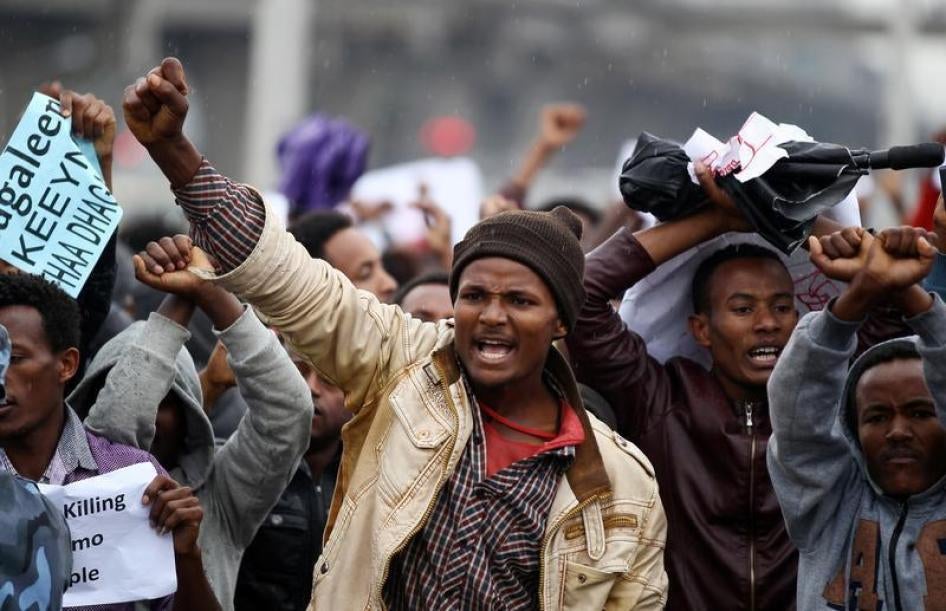
This phenomenon underscores how domestic political issues can profoundly impact continental perceptions and solidarity, even in the realm of sports. Football, often seen as a unifying force in Africa, became a platform for expressing political dissatisfaction and holding South Africa accountable for its treatment of fellow Africans. While some South Africans defended their team and country, others from across the continent argued that the traditional pan-African support had been shattered by the recurring xenophobic attacks.
Roots of Resentment: A History of Xenophobic Violence
The widespread African backlash against Bafana Bafana is not a sudden phenomenon but a culmination of years of simmering resentment over recurring xenophobic violence in South Africa. The country has faced periodic outbreaks of anti-immigrant attacks, notably in 2008, 2015, 2019, and the weeks leading up to the 2026 World Cup. These incidents are often driven by economic pressures, high unemployment rates (exceeding 30%), and tensions in informal job sectors, with foreign nationals frequently scapegoated for South Africa’s socio-economic woes.
The recent wave of violence saw vigilante groups issuing deadlines for undocumented migrants to leave the country, further fueling fear and displacement. Several African nations, including Nigeria, Ghana, Zimbabwe, and Malawi, have undertaken voluntary repatriation efforts to bring their citizens home, citing serious threats to their safety. This response from neighboring countries underscores the severity of the situation and the perceived failure of South African authorities to adequately protect foreign nationals.
For many Africans, the issue is compounded by a deep sense of historical betrayal. The anti-apartheid struggle was a pan-African project, with frontline states and countries like Nigeria providing significant financial and diplomatic support. The targeting of Black Africans, who once stood in solidarity with South Africa during its darkest hours, is seen by many as a profound moral failure. As Ghanaian journalist Kwesi Pratt Jnr articulated, “The problem of xenophobia is a continuation of the apartheid system of governance,” highlighting the historical wound that underlies the current fury. This sentiment explains why, for many, supporting Mexico over South Africa was not merely about football, but a symbolic rejection of xenophobia and a demand for accountability.
Diplomatic Fallout and Shattered Solidarity
The xenophobic unrest and the subsequent backlash during the World Cup have significant diplomatic implications for South Africa. The country, often viewed as a continental leader and a key player in the African Union and SADC, is seeing its diplomatic capital erode. The evacuations of citizens by Ghana, Nigeria, Zimbabwe, and Malawi are not just logistical operations; they are strong diplomatic statements expressing a lack of confidence in South Africa’s ability to protect foreign nationals.
The situation was further exacerbated by controversial statements from South African officials. For instance, Sports Minister Gayton McKenzie publicly wished failure upon Nigeria’s Super Eagles during their World Cup qualification campaign, a statement that was widely condemned and added fuel to the already strained relations. Such rhetoric from high-level officials reinforces the perception that xenophobic attitudes extend beyond vigilante groups and have permeated the state apparatus.
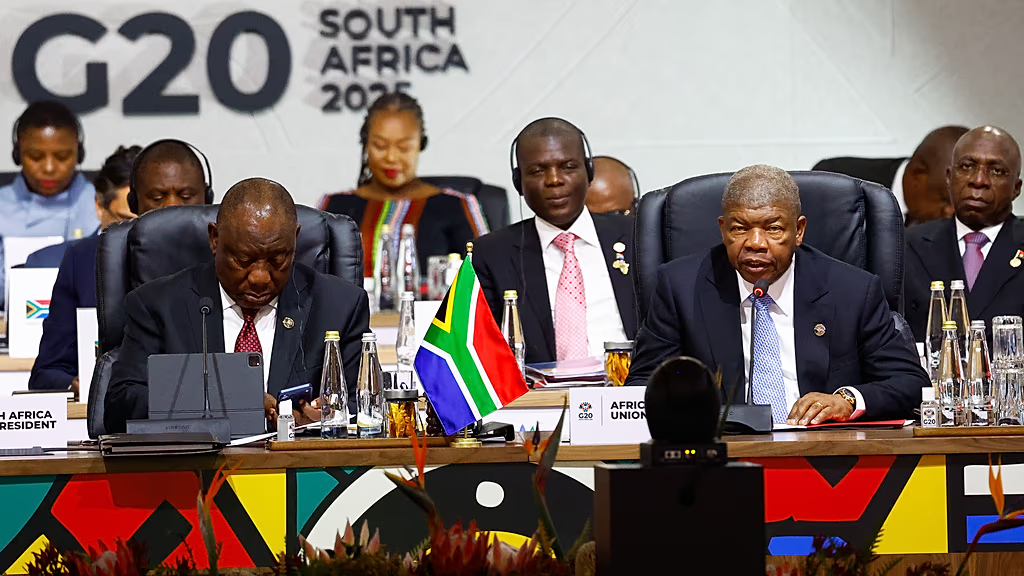
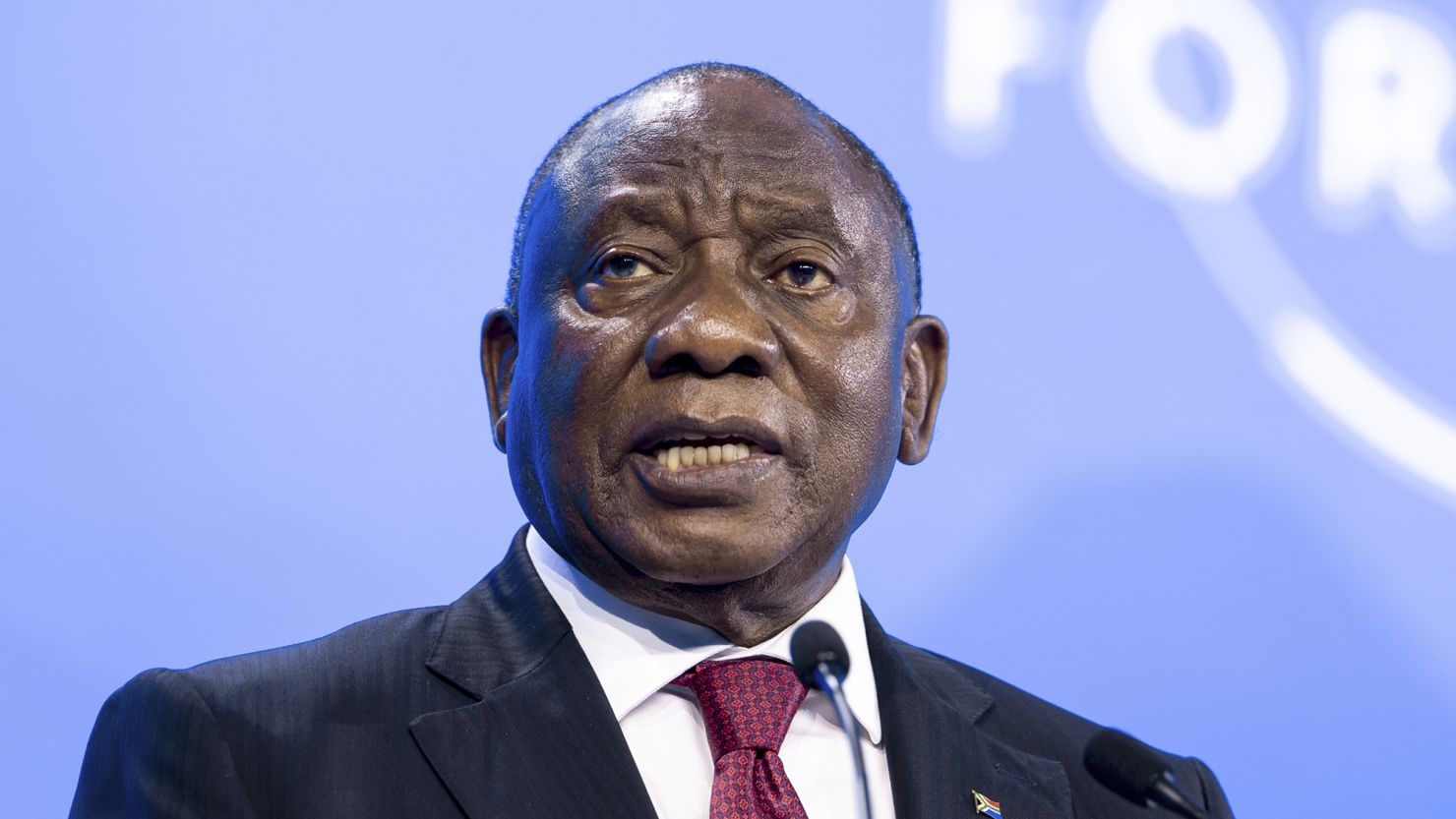
While President Cyril Ramaphosa has condemned the violence and emphasized that only authorized officials can act against legal violations, his assurances have been met with skepticism across the continent. The repeated cycle of violence followed by presidential condemnation and eventual return to the status quo has diminished the credibility of these statements. The shattered solidarity witnessed during the World Cup opening match is a stark indicator that South Africa’s diplomatic standing and its role as a unifying force in Africa are under severe threat. The “Rainbow Nation” must now navigate a complex path to rebuild trust and demonstrate a genuine commitment to pan-African unity, both on and off the pitch.
Solutions Looking Perspective
Rebuilding trust and restoring pan-African solidarity will require concerted efforts from South Africa, addressing both the root causes of xenophobia and its diplomatic fallout. Firstly, the South African government must move beyond condemnations and implement concrete, sustained measures to protect foreign nationals and prosecute perpetrators of xenophobic violence. This includes strengthening law enforcement, ensuring swift justice for victims, and implementing educational campaigns to combat anti-immigrant sentiment .
Secondly, addressing the socio-economic factors that fuel xenophobia is crucial. High unemployment rates and economic disparities often exacerbate tensions between local communities and foreign nationals. South Africa needs to implement inclusive economic policies that create opportunities for all residents, regardless of their origin, and ensure equitable distribution of resources. This could involve targeted job creation programs, skills development initiatives, and support for small businesses.
Thirdly, a renewed commitment to diplomatic engagement and regional cooperation is essential. South Africa should actively engage with neighboring countries and regional bodies like the African Union and SADC to foster dialogue, address concerns about migration, and rebuild shattered relationships. This could involve joint initiatives to manage migration, share economic opportunities, and promote cultural exchange. Sports, traditionally a powerful tool for unity, can be leveraged to mend fences, perhaps through regional tournaments or joint initiatives that emphasize shared African identity.
Finally, South Africa must reflect on its historical role as a beacon of liberation and reconcile its past with its present. The legacy of the anti-apartheid struggle, which garnered immense continental support, should serve as a reminder of the importance of solidarity and respect for all Africans. By demonstrating a genuine commitment to these principles, South Africa can begin to heal the wounds of xenophobia and reclaim its position as a unifying force on the continent.
Conclusion
The 2026 FIFA World Cup opening match, while a sporting event, inadvertently became a powerful stage for the expression of deep-seated geopolitical tensions and social grievances across Africa. Bafana Bafana’s defeat, coupled with the unprecedented continental backlash, underscored the profound impact of xenophobia on regional solidarity. The celebrations of South Africa’s loss by fans in other African nations were not merely acts of sporting rivalry but a stark reflection of the anger and disillusionment stemming from recurring anti-immigrant violence.
This incident serves as a critical reminder that sports, often a unifying force, cannot exist in a vacuum, isolated from broader societal and political realities. For South Africa, the challenge extends beyond the football pitch; it demands a genuine and sustained commitment to addressing the root causes of xenophobia, protecting foreign nationals, and rebuilding trust with its continental neighbors. The path to restoring pan-African solidarity will be long and arduous, requiring not just diplomatic overtures but concrete actions that demonstrate a renewed dedication to the principles of unity and mutual respect that once defined the continent’s collective identity.