oluwatosin oyeniyi
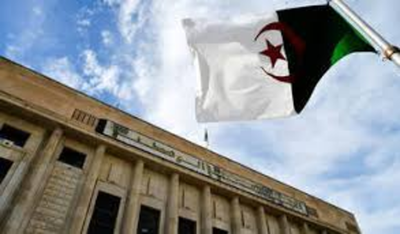
ALGIERS, Algeria —Algeria’s parliament has approved the deployment of military units to neighbouring Niger to protect energy infrastructure, marking a significant shift in the North African country’s long-standing reluctance to send troops beyond its borders.
The decision, approved by both chambers on Sunday, October 25, 2026, would mark Algeria’s first overseas deployment of ground troops since it sent forces to support Egypt during the 1973 Arab-Israeli war. The move comes as Niger seeks greater security cooperation to counter armed groups operating across the Sahel and as the two countries strengthen diplomatic and economic ties.
Algeria’s upper house, the Council of the Nation, approved the proposal during an emergency session. According to Agence France-Presse (AFP), 148 senators voted in favour in the 174-seat chamber. The lower house, the People’s National Assembly, subsequently approved the deployment by an absolute majority of members present, completing the parliamentary process required under Algeria’s constitution.
However, authorities have not announced the number of soldiers to be deployed or the date they will begin their mission.
Protecting energy infrastructure
The proposed deployment is expected to focus on northern Niger, particularly the area around Madama near the Libyan border. The location is strategically important because of its proximity to energy projects and routes connecting the wider Sahel and North Africa.
Algeria has significant economic interests in Niger through its state-owned energy company, Sonatrach, which has oil-related activities in the country. The two neighbours are also associated with the proposed Trans-Saharan Gas Pipeline, an ambitious project intended to transport Nigerian natural gas through Niger and Algeria towards international markets, including Europe.
The pipeline remains a proposed regional infrastructure project, rather than an operational route. Its progress depends on major investment, construction and cooperation among the countries involved.
Algerian senator Belkacem Boulghiti said the mission was intended to protect economic infrastructure rather than initiate combat operations.
“We are not sending our soldiers to wage war in Niger, but for a mission to secure economic infrastructure,” he told reporters after the vote, according to the information provided by the senator following the parliamentary decision.
The distinction is important as Algeria seeks to protect its strategic interests while presenting the deployment as a limited security mission.
Niger’s growing security challenges
Niger continues to face attacks by armed groups, including organisations affiliated with al-Qaeda and the Islamic State. Violence across the Sahel has placed pressure on national security forces, disrupted communities and complicated efforts to maintain control over remote border areas.
The security situation has also been shaped by political changes across the region. Niger has been governed by a military-led administration since the July 2023 coup that removed elected president Mohamed Bazoum. The withdrawal of French forces and Niger’s changing relationships with Western partners have contributed to a reconfiguration of its security partnerships.
Algeria’s decision reflects a more active approach to cooperation with its southern neighbour. The countries share a border of approximately 1,000 kilometres, making coordination on armed-group activity, trafficking and other cross-border security threats a continuing concern.
Their military engagement has intensified in recent months. Reports indicate that Algeria provided Niger with military equipment, including helicopters, and sent fighter aircraft to Niamey in August after Nigerien authorities reported an attempt to destabilise the government. The proposed troop deployment would extend that cooperation from military assistance towards an authorised ground presence.
A diplomatic reset after tensions
The decision also follows efforts by Algiers and Niamey to repair strained relations.
Tensions increased after Algeria condemned Niger’s 2023 military coup. A subsequent regional dispute involving Algeria’s downing of a Malian drone further complicated relations among countries in the area. Niger recalled its ambassador to Algiers during the diplomatic fallout in 2025.
More recently, the two governments have moved towards renewed cooperation. Niger’s Defence Minister, Salifou Modi, visited Algiers in October and held talks with Algerian President Abdelmadjid Tebboune and senior military officials. The visit was accompanied by the signing of a military cooperation protocol, although its full terms have not been made public.
The deployment approval signals that the relationship has progressed beyond diplomatic normalisation towards closer security coordination. It also reflects the importance both governments attach to protecting their shared border and safeguarding economic interests.
A turning point in Algeria’s military policy
Algeria’s constitution was revised in 2020 to permit overseas military deployments under specified conditions, including parliamentary approval by a two-thirds majority in each chamber. The current decision is the first major use of that provision to authorise a foreign deployment of this kind.
The move represents a notable departure from Algeria’s traditional emphasis on non-intervention and the defence of its territory. While the government has framed the mission around protecting infrastructure, deploying troops abroad could expose Algerian forces to security risks in a region where armed groups operate across national borders.
The practical scope of the mission will therefore matter. Its effectiveness will depend on the mandate given to the troops, coordination with Nigerien forces, the security conditions around the facilities they are tasked with protecting and the safeguards put in place to prevent the mission from expanding beyond its stated purpose.
The economic implications also extend beyond the immediate deployment. Protecting energy assets could help reassure investors and support cooperation around oil exploration and proposed regional energy links. However, military protection alone cannot resolve the political, economic and security challenges that have sustained instability across the Sahel.
For Niger, the agreement offers another avenue for regional security support. For Algeria, it creates a direct role in protecting strategic interests beyond its territory while testing a constitutional framework that has existed for six years.
With parliamentary approval secured, attention will now turn to the mission’s size, timeline and operational arrangements. Those details will help establish whether Algeria’s first overseas ground deployment in more than five decades remains a narrowly defined infrastructure-protection operation or becomes part of a broader regional security commitment.