oluwatosin oyeniyi
 June 12th, celebrated as Democracy Day in Nigeria, holds profound significance, commemorating the annulled 1993 presidential election widely regarded as the freest and fairest in the nation’s history. This day, now a national holiday, serves as a powerful reminder of Nigeria’s enduring struggle for democratic governance and the sacrifices made to achieve it. As Nigeria marks another Democracy Day in 2026, the nation finds itself at a critical juncture, grappling with complex challenges including widespread insecurity, economic hardship, and a populace increasingly vocal about the state of its democracy.
The Enduring Legacy of June 12: A Symbol of Democratic Struggle
June 12th commemorates the 1993 presidential election, which saw Chief Moshood Kashimawo Olawale (MKO) Abiola emerge as the presumed winner. This election was unique in Nigeria’s history, as it transcended ethnic and religious divisions, with Abiola securing widespread support across all geopolitical zones. Public analysts describe it as the first time Nigerians voted for a candidate regardless of tribe, ethnicity, or religion, and it was widely considered the freest and fairest election the country had ever held.
However, the military regime of General Ibrahim Babangida annulled the election results before an official winner could be declared, sparking widespread national outrage and protests. This annulment triggered years of intense struggle by civil society, activists, and citizens, ultimately leading to the return of civilian rule on May 29, 1999. For many years, May 29 was observed as Democracy Day. However, in 2018, the federal government under the Buhari administration officially changed the date to June 12, recognizing the sacrifices of MKO Abiola and the symbolic importance of the date. Abiola was posthumously awarded the Grand Commander of the Federal Republic (GCFR), Nigeria’s highest national honor, a symbolic gesture acknowledging his victory in the 1993 election.
The spirit of June 12, despite the annulment, remained alive and became a catalyst for Nigeria’s uninterrupted democratic rule since 1999. It symbolizes the resilience of the Nigerian people and their unwavering demand for true democratic principles. The legacy of June 12 continues to influence the discourse around electoral integrity and citizen participation, especially as the country approaches future elections.
Nigeria’s Democratic Journey: Progress and Persistent Challenges
Since the return to civilian rule in 1999, Nigeria has experienced an uninterrupted democratic journey, marked by successful transitions of power between democratically elected governments. This period has seen determined efforts to improve the electoral process, notably through reviews of the Electoral Act and the introduction of technological innovations like the Bimodal Voter Accreditation System (BVAS) and the INEC Election Result Viewing Portal (IReV). These advancements aim to enhance transparency, curb electoral malpractice, and boost public trust in electoral outcomes. For instance, the BVAS has significantly reduced the inflation of election figures, with states that previously reported millions of votes now struggling to reach hundreds of thousands.
Despite these strides, Nigeria’s democracy faces persistent challenges that threaten its credibility and stability. The political landscape is often characterized by intense elite bargaining, strategic political realignments, and premature campaigns, which tend to prioritize electoral ambition over effective governance. This pathology of electoral politics, where policy actions are structured to advance political aspirations, often leads to weak accountability mechanisms and a culture of impunity.
Furthermore, the legitimacy of elections is undermined by a deepening electoral cynicism among the populace. While a majority of Nigerians express interest in voting, a substantial number believe their vote makes no difference and that electoral outcomes are predetermined. This distrust is fueled by instances of conflicting results, bypass of the BVAS, and tampering with election results.
Public Sentiment and the Echoes of Protest
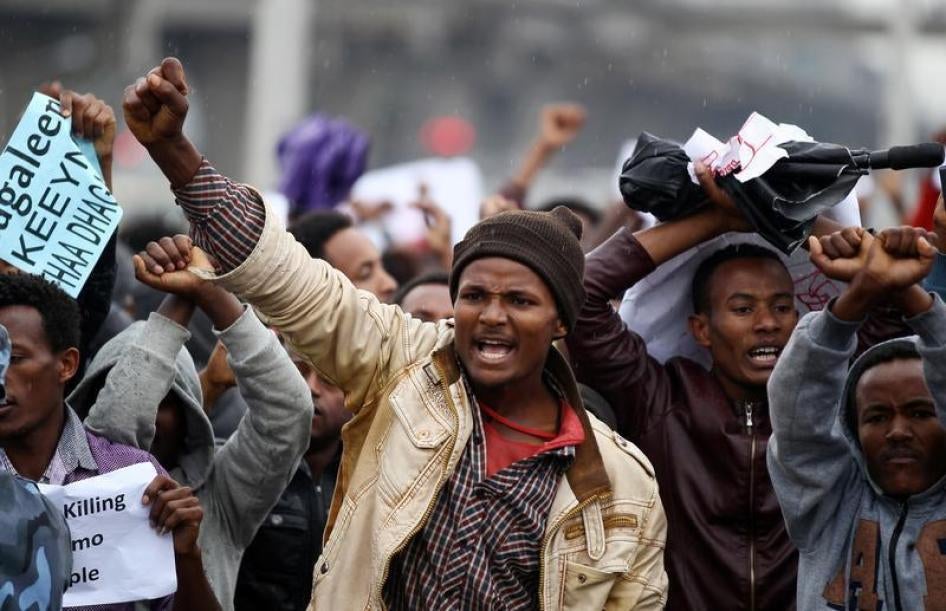
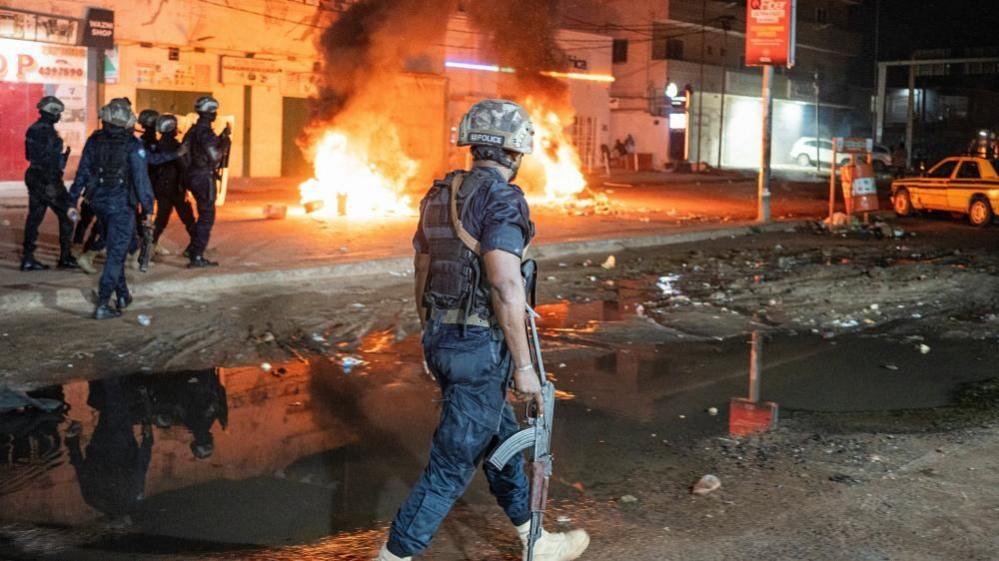
As Nigeria commemorates Democracy Day 2026, public sentiment is largely characterized by a mix of hope, frustration, and a growing demand for accountability. While the historical significance of June 12th is widely acknowledged, many Nigerians feel there is little to celebrate given the prevailing socio-economic conditions. The streets of major cities, including Lagos and Abuja, have witnessed protests on June 12th, with civil society organizations, labor unions, youth groups, and prominent activists mobilizing citizens against worsening insecurity, economic hardship, and deteriorating living conditions.
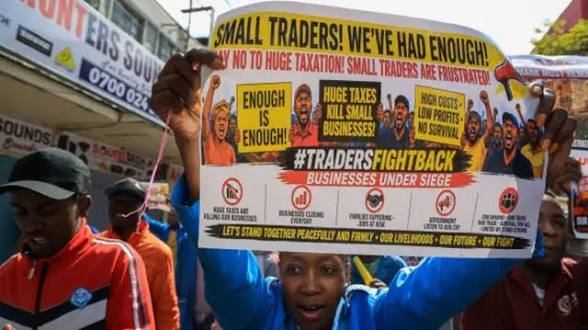
These protests, often organized under banners like the #EndBadGovernance Movement, highlight the deep-seated frustrations of ordinary Nigerians. Demonstrators lament that innocent citizens are being killed, abducted, and displaced, while government efforts to curb insecurity remain inadequate. The economic policies implemented by the current administration, including fuel subsidy removal, repeated fuel price increases, currency devaluation, and rising electricity tariffs, have been widely criticized for triggering soaring food prices, increased transportation costs, declining purchasing power, and the collapse of many small and medium-scale businesses.
Despite rising statutory allocations to federal, state, and local governments, the perception among many is that ordinary Nigerians are becoming poorer, with workers’ wages remaining insufficient amidst persistent inflation. This widespread discontent fuels a desire for change and a demand for more responsive and effective governance. The protests on Democracy Day serve as a powerful expression of this public sentiment, signaling a collective resolve to hold leaders accountable and to push for policies that genuinely improve the lives of citizens.
The Road to 2027: Presidential Elections and Governance
As Nigeria looks towards the 2027 general elections, the political temperature is already heating up, placing the country’s democracy under intense pressure. The elections, scheduled for January 16, 2027, will determine the next president, vice president, and members of the Senate and House of Representatives. Incumbent President Bola Tinubu has indicated his intention to run for a second term under the All Progressives Congress (APC).
The political landscape leading up to 2027 is characterized by heightened elite bargaining, strategic political realignments, and premature campaigns, often at the expense of substantive governance. This focus on electoral ambition over policy implementation raises concerns about the credibility of the forthcoming elections. The Independent National Electoral Commission (INEC) is scheduled to conduct several strategically important elections in 2026, including the Federal Capital Territory Area Council elections and governorship elections in Ekiti and Osun States. These will serve as crucial tests for INEC’s resilience and commitment to protecting its independence and ensuring transparent results management.
Governance remains a critical challenge. The widespread insecurity, economic hardship, and deteriorating living conditions that fuel public protests are direct indictments of the current state of governance. Critics argue that the government’s efforts to curb insecurity are inadequate, and its economic policies have deepened poverty and hardship for millions of Nigerians. The effectiveness of the Electoral Act 2026, which is expected to mandate compulsory electronic transmission of results, will be crucial in restoring public confidence in the electoral process. However, the ambitious goal of free and fair elections is severely constrained by systemic, political, and security-related threats, including the erosion of political competition through induced defections, deepening electoral cynicism, and the pervasive multi-dimensional security crisis. The outcome of the 2027 elections will largely depend on the collective resolve of Nigerians to defend their votes and the commitment of institutions like INEC and security agencies to uphold neutrality and professionalism.
Strategic Imperatives for Democratic Resilience
Addressing the multifaceted challenges facing Nigeria’s democracy requires a comprehensive and sustained approach. Firstly, there is an urgent need for the government to prioritize and effectively tackle the pervasive insecurity across the nation. This involves strengthening security agencies, improving intelligence gathering, and implementing community-based security initiatives to protect lives and property. A secure environment is fundamental for economic stability, social cohesion, and credible elections.
Secondly, the government must implement pro-poor economic policies that alleviate hardship and foster inclusive growth. This includes reviewing the impact of recent reforms like fuel subsidy removal and currency devaluation, and introducing targeted interventions to cushion their effects on vulnerable populations. Investing in critical sectors such as agriculture, education, and healthcare, alongside creating an enabling environment for small and medium-sized enterprises, can stimulate job creation and improve living standards.
Thirdly, strengthening democratic institutions and processes is paramount. INEC must continue to assert its independence, ensuring that the Electoral Act 2026, particularly the electronic transmission of results, is fully implemented and protected from manipulation. This will help restore public confidence in the electoral system. Furthermore, political actors must commit to playing by democratic rules, prioritizing national interest over personal ambition, and fostering a culture of constructive dialogue and compromise. Civil society organizations and an engaged citizenry also have a crucial role in demanding accountability, participating actively in the electoral process, and holding leaders to account.
Finally, fostering national unity and addressing the root causes of division, whether ethnic, religious, or regional, is essential for long-term stability. Promoting inclusive governance that reflects Nigeria’s diversity and ensures equitable distribution of resources can help mitigate tensions and build a more cohesive society. The spirit of June 12, which transcended such divisions, should serve as a guiding principle for the nation’s democratic future.
Conclusion
Nigeria’s Democracy Day 2026 is a moment for both celebration and sober reflection. While the nation has made significant strides in its democratic journey since the annulled June 12, 1993, election, the path ahead remains fraught with challenges. The enduring legacy of MKO Abiola and the spirit of June 12 serve as a powerful reminder of the Nigerian people’s capacity for unity and their unwavering demand for genuine democratic governance. However, the current realities of insecurity, economic hardship, and political cynicism underscore the urgent need for robust reforms and committed leadership.
The upcoming 2027 presidential elections will be a critical test of Nigeria’s democratic resilience. The ability of the government to address the concerns of its citizens, ensure credible electoral processes, and foster an environment of peace and stability will determine the trajectory of its democratic future. As the nation moves forward, upholding the principles of transparency, accountability, and inclusivity, inspired by the sacrifices of June 12, will be paramount in building a stronger, more equitable, and truly democratic Nigeria.