oluwatosin oyeniyi
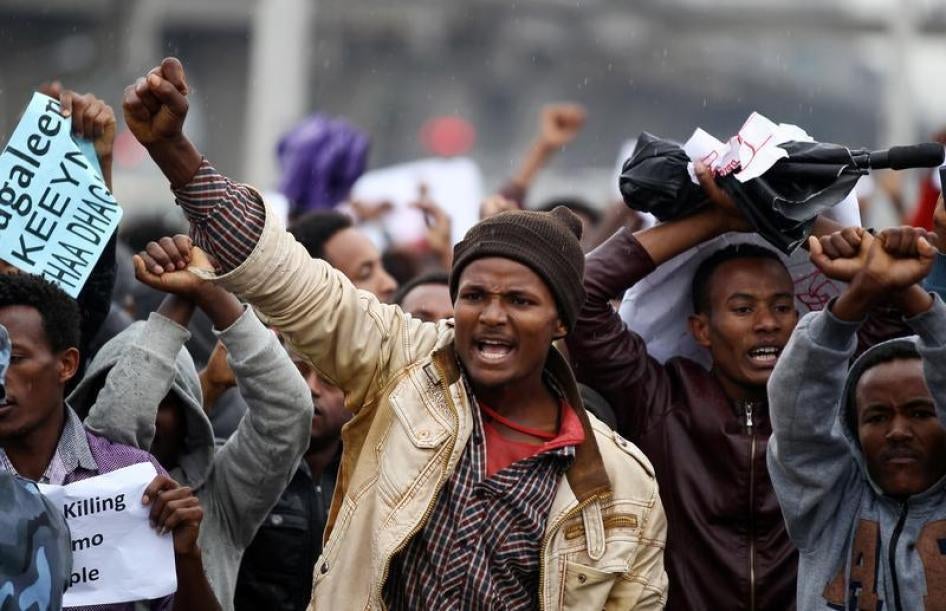
NAIROBI, Kenya — Several protesters were arrested in Nairobi’s central business district on Monday as police clashed with demonstrators protesting rising fuel prices and the growing cost of living, in a demonstration that brought renewed attention to the financial pressure facing Kenyan households and businesses.
Protesters gathered along Moi Avenue and Kimathi Street, carrying placards demanding the removal of fuel taxes. Police maintained a heavy presence as the demonstrations unfolded, with officers and protesters engaging in running battles across parts of the Central Business District (CBD). Those arrested were taken into custody, according to local media reports.
The protest followed a sharp increase in regulated fuel prices announced by the Energy and Petroleum Regulatory Authority (EPRA) for the October 15 to November 14 pricing period. Organisers said the demonstration was intended to draw attention to the impact of rising fuel costs on household budgets, transport and business operations.
Fuel prices intensify cost-of-living concerns
Under EPRA’s latest pricing review, a litre of petrol in Nairobi rose to 226.96 Kenyan shillings, while diesel reached 227.76 shillings and kerosene 219.87 shillings. The increases took effect on October 15.
Compared with the previous pricing cycle, petrol increased by 12.93 shillings per litre and diesel by 9.90 shillings. Kerosene recorded a larger rise of 28.49 shillings per litre, placing additional pressure on households that depend on it for cooking and other domestic needs.
Fuel prices have consequences beyond what motorists pay at petrol stations. Higher transport and operating costs can affect the movement of agricultural produce, the delivery of goods, public transport fares and the cost of running small businesses. When businesses face higher expenses, some may pass the additional costs on to consumers.
For households already managing food, housing, education and utility expenses, increases in transport and energy costs can leave less money available for other essential needs.
The latest increases have therefore become a focus of public frustration, particularly among motorists, transport operators and workers whose daily expenses are closely tied to fuel prices.
Organisers had called for a peaceful march
The Coalition of Human Rights Defenders notified police of its intention to hold the demonstration in a letter dated October 22, which was received at police headquarters the same day.
The coalition said the march would begin on Kimathi Street and proceed towards State House. Organisers estimated that between 500 and 900 people could participate and pledged to maintain order, respect the rights of other members of the public and keep the demonstration peaceful.
However, the gathering developed into confrontations between police and demonstrators. The reported arrests raised questions about how authorities manage public demonstrations over economic grievances and how the rights of protesters are protected when gatherings become tense.
The available reports did not establish the total number of people arrested or provide a complete account of injuries, if any, during Monday’s clashes.
The difference between the organisers’ stated intention and the events on the streets also illustrates the challenge of maintaining peaceful demonstrations amid heightened public frustration. Transparent information about arrests, the treatment of detainees and the circumstances of any use of force will be important in assessing the police response.
Why the latest fuel review matters
EPRA regulates maximum retail fuel prices in Kenya and reviews them periodically. Its October adjustment affected all three major petroleum products in Nairobi, although the exact prices vary by location.
The authority attributed the latest increases to higher international petroleum costs and pressures associated with the conflict in the Middle East. EPRA officials said the cost of imported fuel had risen significantly during September, contributing to the higher domestic prices.
International oil prices, shipping expenses, exchange-rate movements, taxes and other components of the pricing formula can all affect what consumers ultimately pay. This means that reducing the burden on households may require policymakers to consider several factors rather than fuel prices in isolation.
Protesters’ calls to remove fuel taxes place the government’s revenue needs alongside the public’s demand for more affordable energy. Tax changes could reduce some costs at the pump, but the effects would depend on the specific measures adopted and how they were funded.
Any policy response would need to weigh immediate relief for consumers against public finances, the cost of importing petroleum products and the wider economic consequences of sustained price increases.
Public pressure and the right to protest
Monday’s demonstrations underscore the relationship between economic hardship and public accountability. Protests provide a channel through which citizens can call attention to policies they believe are making everyday life more difficult.
For authorities, the challenge is to address legitimate public concerns while ensuring safety, protecting property and upholding the right to peaceful assembly. Arrests during demonstrations also make transparency important: authorities should clarify the legal basis for detentions and ensure that anyone arrested receives due process.
For households and businesses, the immediate concern remains the cost of fuel and its knock-on effects. If higher transport expenses feed into the prices of food and other essentials, the financial burden can extend well beyond vehicle owners.
The protest also places pressure on policymakers to explain how fuel prices are determined, what options exist to reduce their impact and how any relief would affect government revenue.
As Kenya navigates rising energy costs, the response will matter not only for motorists but also for public transport users, traders, farmers and families whose budgets are vulnerable to further price increases.
Monday’s arrests have brought the dispute into sharper focus. Whether the demonstrations lead to policy changes remains uncertain, but the demand behind them is clear: protesters want relief from fuel costs they say are making life and business increasingly expensive.