oluwatosin oyeniyi
 MAPUTO, Mozambique — Mozambique’s opposition leader Venâncio Mondlane is set to face trial before the country’s Supreme Court over his alleged role in protests that followed the disputed 2024 presidential election, reopening questions about political freedoms, accountability and the country’s democratic future.
Mondlane was formally notified by the Supreme Court on August 25 that he would stand trial on five criminal charges connected to the post-election demonstrations. He remains out of custody, and no exact trial date has been announced, although he expects proceedings to begin within the next two to three months.
The charges include public advocacy of a crime, incitement to collective disobedience, public incitement to commit a crime, incitement to terrorism and public calls to commit terrorism.
Mondlane denies the allegations and argues that his calls for demonstrations were part of his challenge to the results of the October 2024 election.
From disputed election to nationwide unrest
Mozambique’s political crisis intensified after the October 2024 presidential election, which saw Daniel Chapo of the ruling Frelimo party declared the winner and Mondlane finish second.
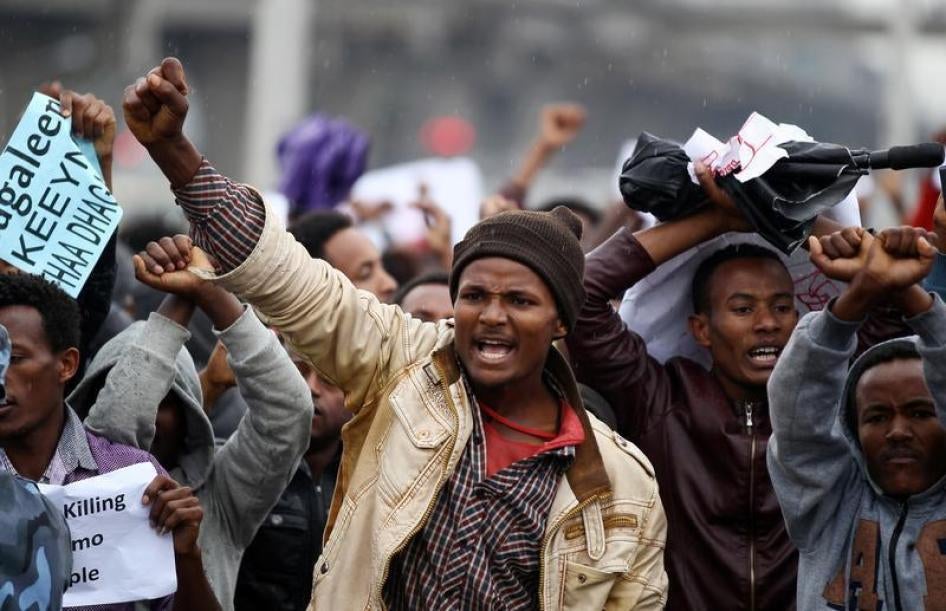
Mondlane rejected the result and called on supporters to protest, triggering months of demonstrations, strikes and clashes.
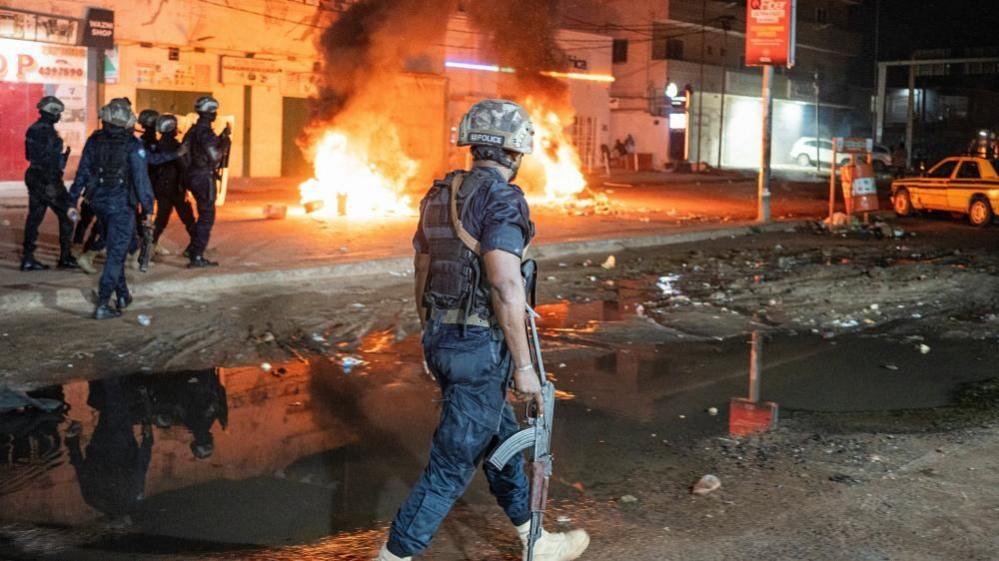
The unrest became increasingly violent, with deaths, injuries, property destruction and disruption to economic activity reported across the country.
Prosecutors now argue that Mondlane’s public statements and social-media broadcasts contributed to the unrest and the violence that followed.
The opposition leader maintains that he was exercising his political rights and challenging an election result that he considered illegitimate.
Why the case matters
The trial is significant because it will test the boundaries between legitimate political opposition and criminal responsibility for violence associated with protests.
There is a clear public interest in holding political leaders accountable when their actions directly contribute to violence or loss of life. But that accountability must be established through evidence and due process rather than political pressure.
Mondlane’s supporters and opposition groups have expressed concern that the prosecution could be used to restrict political competition.
His party, the National Alliance for a Free and Autonomous Mozambique (ANAMOLA), has called for an independent, impartial and transparent trial.
The Council of State also suspended Mondlane’s immunity in June, allowing the criminal proceedings to continue. Mondlane has questioned the legality of that decision and argued that the council lacked the authority to suspend his immunity in the manner used.
A test for Mozambique’s democracy
The case comes at a sensitive point for Mozambique, where public confidence in political institutions has been weakened by the disputed election and the violence that followed.
The government faces a difficult balance.
Authorities have a responsibility to investigate violence, protect public property and ensure that citizens can participate in political life without intimidation. At the same time, opposition leaders and ordinary citizens must be able to criticise government decisions and challenge electoral outcomes without automatically being treated as security threats.
The courts will therefore be under significant scrutiny.
A transparent trial, public presentation of evidence and respect for Mondlane’s right to legal representation would help demonstrate that the proceedings are based on law rather than political retaliation.
The road ahead
Mozambique can also use the case to address the deeper problems exposed by the 2024 election crisis.
Independent investigations into deaths and abuses during the protests could help establish responsibility across the political divide. Electoral institutions need stronger public credibility, while security forces require clear rules on the use of force during demonstrations.
Political dialogue is equally important.
If legitimate opposition is pushed entirely into the courts or treated as a security problem, political tensions could deepen rather than disappear.
For Mondlane, the trial represents a major legal challenge. For Mozambique, it is a broader test of whether political disagreements can be resolved through credible institutions rather than prolonged confrontation.
The outcome will therefore matter beyond one opposition leader. It could influence how citizens, political parties and international partners judge the strength of Mozambique’s democratic institutions in the years ahead.