oluwatosin oyeniyi
 Uber’s withdrawal from Nigeria and Uganda is not merely a corporate announcement. It is a warning about the fragile economics of digital mobility in African cities.
The ride-hailing company ceased operations in both countries on September 2, 2026, after what it described as a thorough review of its business and “evolving business priorities and investment focus across the continent”. In Nigeria, the departure ends a 12-year presence that began with Uber’s launch in Lagos in 2014. In Uganda, where the company entered in 2016, the closure ends a decade of operations.
Uber says the decision is limited to the two markets and does not represent a retreat from sub-Saharan Africa. It continues to operate in Egypt, Ghana, Kenya and South Africa, while its recent exits from Côte d’Ivoire and Tanzania show that its African portfolio is being narrowed and re-evaluated.
The timing is significant. Uber’s exit coincides with a global restructuring that includes roughly 3,300 job cuts and a renewed corporate focus on automation, innovation and autonomous vehicles. But local pressures also mattered. Drivers in Nigeria have long complained that fares did not keep pace with fuel and maintenance costs, while platforms faced intense competition, currency volatility and regulatory uncertainty.
For riders, the immediate concern is the loss of a familiar service. For drivers, it is the disappearance of an income channel. For competitors, it is an opening. For policymakers, it is a reminder that digital platforms do not eliminate the underlying problems of urban transport; they inherit them.
A Twelve-Year Experiment in Nigeria Ends
Uber’s Nigerian story began in Lagos, a city whose congestion created a natural market for app-based transport. The company offered riders a way to request cars through smartphones and gave vehicle owners access to a wider pool of passengers. Its platform quickly became part of the city’s expanding digital economy.
Uber later experimented with services tailored to local conditions. In 2019, it launched a boat service in Lagos, seeking to use the city’s waterways to bypass notorious road congestion. The initiative symbolized the company’s ambition to do more than operate a conventional taxi platform: it sought to become part of the infrastructure of urban movement.
Yet the business model was repeatedly tested by Nigeria’s economic conditions. The removal of the petrol subsidy in 2023 sharply increased transport and living costs. Subsequent inflation, currency depreciation and higher vehicle-maintenance expenses put pressure on both drivers and platforms. When fares remained too low to cover costs, drivers faced a choice between working longer hours, absorbing losses or leaving the platform.
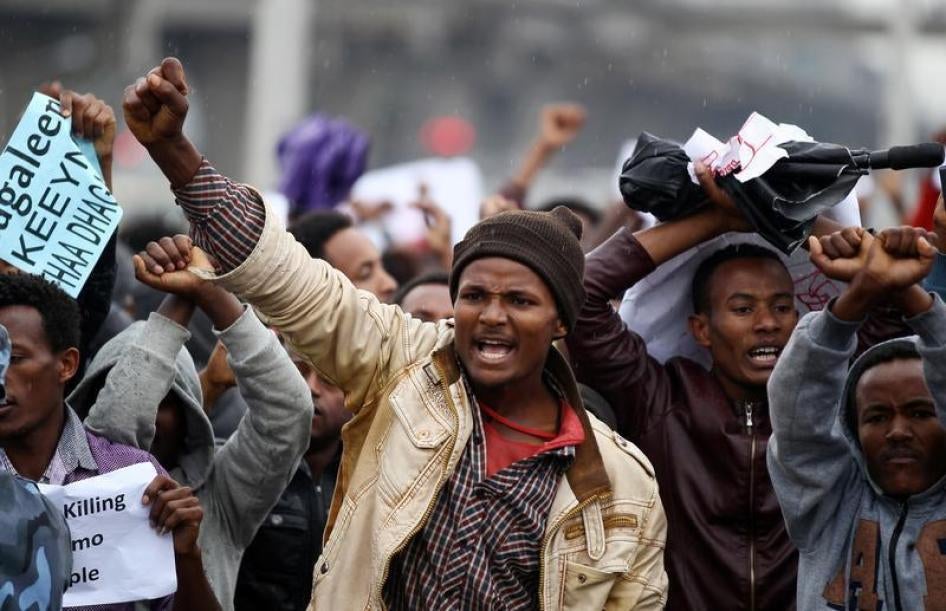
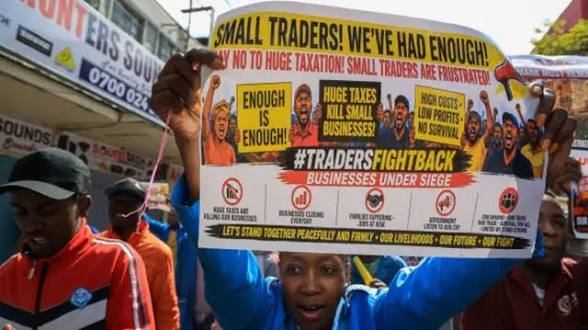
Drivers staged protests and industrial action in 2017, 2023 and 2025 over fares, commission rates and what they described as poor treatment. Those disputes were not peripheral labour complaints. They were evidence that the platform’s commercial model was struggling to balance the interests of riders seeking affordability, drivers seeking viable earnings and the company seeking sustainable margins.
Uganda’s Smaller but Strategic Market
Uber’s Ugandan operation faced a different scale of challenge. Kampala is a rapidly growing city with serious congestion and a large informal transport sector, including motorcycle taxis and traditional taxi services. App-based ride-hailing offered safety features, digital payments, route tracking and predictable booking, but it had to compete within a market where many consumers remain highly price-sensitive.
The departure will affect riders who used Uber for commuting, airport transfers and business travel. It will also affect drivers who relied on the platform to find passengers, particularly those who valued the app’s brand recognition and technological infrastructure.
However, the market is unlikely to be left without alternatives. Ugandan reporting identified platforms such as Faras, Bolt and SafeBoda as potential beneficiaries of Uber’s exit. The transition may therefore be less about the disappearance of ride-hailing than about a reshuffling of market power.
The question is whether competitors can offer drivers better economics without passing unsustainable costs to passengers. If they cannot, Uber’s exit will not resolve the underlying problem; it will simply transfer it to other platforms.
Why the Business Model Became Difficult
Uber’s official explanation—evolving business priorities and investment focus—is deliberately broad. The company did not disclose a market-by-market financial breakdown or say that either country was unprofitable. Nevertheless, the available evidence points to several overlapping pressures.
Nigeria’s ride-hailing sector illustrates the tension clearly. Consumers want cheap, reliable transport, but low fares become unsustainable when petrol, spare parts and repairs rise sharply. Drivers may respond by working longer, rejecting low-value trips, demanding higher fares or organizing protests. Platforms then face reduced availability, weaker service quality and pressure to increase prices.
Uber’s withdrawal does not prove that African ride-hailing markets lack potential. It suggests that potential alone is insufficient. A large population and high transport demand do not automatically produce a profitable platform when household incomes are constrained and operating costs are volatile.
The Global Restructuring Behind the Local Exit
Uber’s African decisions must also be read against the company’s global strategy. Chief Executive Dara Khosrowshahi announced a workforce reduction of approximately 3,300 positions, equivalent to around 10 per cent of the company’s global workforce, as Uber seeks to simplify its structure and reduce management layers.
The company is also directing greater attention toward autonomous mobility. Business Insider Africa reported that Uber plans to invest more than $10 billion in robotaxis in the coming years and wants to position itself as a marketplace for driverless rides.
This shift creates a strategic contradiction. Uber’s traditional growth in countries such as Nigeria and Uganda depended on networks of human drivers. Its future investment narrative increasingly emphasizes a technology ecosystem built around automation, artificial intelligence and autonomous vehicles. Markets that require intense local support but generate limited margins may become less attractive when capital is being redirected toward the next generation of mobility.
That does not mean Nigerian or Ugandan drivers are being replaced by robotaxis. Autonomous vehicles are not yet a practical substitute for human-driven mobility in most African cities. But the restructuring signals where the company’s long-term priorities lie and which markets may receive less patience when their economics deteriorate.
The Human Consequences: Drivers and Riders
Corporate language can make an exit sound clean. On the ground, it is a disruption to livelihoods and routines.
Drivers lose access to a customer-acquisition system, payment infrastructure, navigation tools, safety mechanisms and brand trust. Some will migrate to rival platforms, but that transition is not frictionless. A driver may need to register again, accept a different commission structure, learn another application and compete for riders in a market that may already be crowded.
Others may return to informal street-hailing or traditional taxi work, where income can be less predictable and safety protections may be weaker. Drivers who financed vehicles on the assumption of continued platform demand may face particular pressure if their earnings decline.
Riders face a different set of consequences. Competition can narrow, surge pricing may become more common and service coverage could deteriorate in areas where alternative platforms have fewer drivers. Yet competition may also improve if rival companies attract Uber drivers by offering lower commissions, better support or more flexible terms.
Uber said it would support affected employees and drivers during the transition. Its help centre will remain available until September 23 for outstanding account-related matters. The company also said it had offered active drivers a token of appreciation as they transition. Whether that assistance is adequate will depend on the number of affected workers and the extent to which alternative income is available.
The Regulatory Lesson: Platforms Need Local Legitimacy
The exit also raises questions about the relationship between ride-hailing platforms and governments. In Nigeria, Uber’s withdrawal came shortly after a dispute involving the Federal Airports Authority of Nigeria over airport operations. FAAN had restricted ride-hailing activity at airports before clearing Bolt and continuing discussions with operators on safety, security, accountability and pickup arrangement.
Uber has said the airport dispute was not the reason for its exit. That clarification matters: the regulatory disagreement should be treated as context, not established cause. Nevertheless, the episode demonstrates how important local operating rules are to platform businesses.
Ride-hailing companies depend on access to airports, major roads, payment systems, data networks and municipal permissions. They must comply with safety and licensing requirements while also negotiating with drivers and managing public expectations. A platform that treats regulation as an external inconvenience may find that a single dispute becomes part of a larger viability problem.
For governments, the answer is not to shield companies from scrutiny. It is to create predictable rules that protect passengers and drivers without making formal ride-hailing impossible. Clear airport access arrangements, transparent licensing, insurance requirements, data protections and labour standards can give both platforms and workers greater certainty.
What Happens Next in Nigeria and Uganda?
The most immediate beneficiaries are likely to be rival platforms. In Nigeria, Bolt, inDrive and local operators already have significant visibility. In Uganda, Bolt, SafeBoda and Faras are positioned to absorb some of the displaced demand. Their success will depend on whether they can recruit drivers quickly while keeping fares competitive.
But market share alone should not be the objective. The next phase of African ride-hailing should be judged by whether it creates a more sustainable bargain among three groups: drivers who need decent and predictable earnings, riders who need affordable and safe transport, and platforms that must earn enough to invest in technology and support.
Policymakers should require greater transparency around commissions, deactivations, fare-setting and driver appeals. Platforms should disclose how prices change and provide meaningful processes for resolving disputes. Driver associations should be recognized as legitimate stakeholders rather than treated only as sources of disruption.
The sector also needs more local innovation. African mobility companies may be better placed than global firms to understand informal transport networks, cash payments, motorcycles, minibuses and city-specific travel patterns. However, local ownership alone will not solve the economics. African platforms will still face fuel costs, weak infrastructure, low purchasing power and regulatory complexity.
Conclusion
Uber’s exit from Nigeria and Uganda is best understood as a strategic retreat, not a verdict on Africa’s digital future. The company continues to see opportunity on the continent, but it is concentrating its resources in markets it considers more capable of delivering scale, value and sustainable returns.
For Nigeria and Uganda, the departure is a test of whether the ride-hailing sector can mature beyond dependence on a single global brand. Rival platforms now have an opportunity to expand, but they also inherit the unresolved tensions that pushed drivers into protests: rising operating costs, low fares, commissions and uncertain working conditions.
The larger lesson is that technology cannot overcome weak transport economics by itself. An application may simplify a booking, but it cannot make fuel cheaper, repair roads, raise household incomes or guarantee a driver a living wage. Sustainable digital mobility will require better regulation, stronger local competition and a fairer distribution of value across the platform economy.
Uber came to Nigeria and Uganda promising convenience, connectivity and opportunity. Its departure leaves behind a more important question: can African cities build transport systems that are not only digitally efficient, but economically fair and locally resilient?
Editorial note: Uber’s stated rationale is a business review and changing investment priorities. The article treats fuel costs, inflation, competition, driver protests and regulation as contributing market pressures reported by credible sources, not as an officially itemized explanation of the company’s decision.