oluwatosin oyeniyi
 SHARPEVILLE, South Africa — More than six decades after apartheid police opened fire on an unarmed crowd in one of the defining moments of South Africa’s anti-apartheid struggle, survivors and relatives of those killed are taking the government to court.
The group has launched a proposed class action seeking compensation and challenging an apartheid-era law that has prevented victims and their families from pursuing legal claims over the 1960 Sharpeville massacre.
The case, supported by Lawyers for Human Rights, seeks to have the Indemnity Act of 1961 declared unconstitutional. The legislation, introduced a year after the massacre, effectively shielded officials from civil and criminal liability for conduct covered by the law and brought earlier compensation claims to an end.
A massacre that changed South Africa
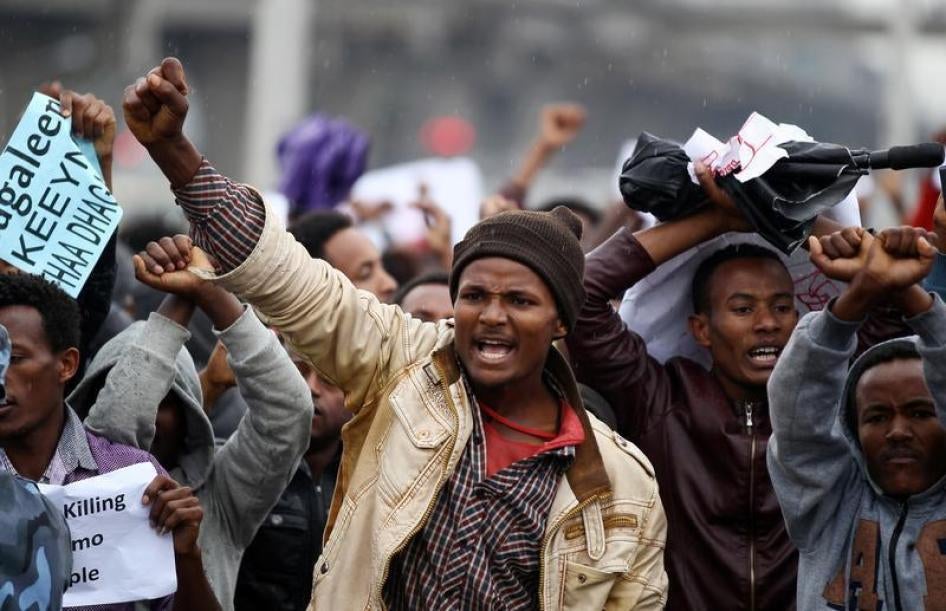
On March 21, 1960, thousands of protesters gathered outside the Sharpeville police station to oppose apartheid-era pass laws that restricted the movement of Black South Africans.
Police opened fire on the crowd.
Official records cited in different historical accounts put the death toll at 69, while other research has recorded higher figures. More than 180 people were wounded according to some accounts, while South African research has put the number at 238.
The massacre became an international symbol of apartheid’s brutality and helped intensify pressure against the white-minority government.
For the people who survived, however, the consequences did not end that day.
The fight for compensation
The legal battle now being launched is not the first attempt by victims to seek compensation.
Lawyers representing the survivors say hundreds of claims were brought in the aftermath of the massacre. But the apartheid government subsequently enacted the Indemnity Act, preventing those claims from continuing.
The applicants argue that leaving the legislation in force violates their constitutional right of access to justice. They are asking the court to remove the legal barrier so that individual damages claims can proceed.
The case has more than financial implications. For survivors and descendants, compensation is tied to recognition of the harm suffered and the state’s responsibility to confront unresolved abuses of the apartheid era.
One of the lead claimants, Abram Mofokeng, was 20 when he was shot during the massacre. More than six decades later, the bullet remains lodged in his body.
More than 70 survivors and relatives have expressed interest in or support for the litigation, according to reporting on the case. Three people are serving as representative claimants for the proposed wider class.
South Africa’s unfinished reparations debate
The case arrives as South Africa continues to grapple with the unfinished business of apartheid-era justice.
The Truth and Reconciliation Commission recommended reparations for victims of apartheid-era abuses, but implementation has been uneven. In August 2026, the Justice Department said 17,560 of 21,676 TRC-identified victims who applied had received the once-off individual reparation grant of R30,000. It also said 4,216 outstanding grants remained for victims who had not yet applied.
The government has also faced criticism over delays in investigating and prosecuting apartheid-era crimes.
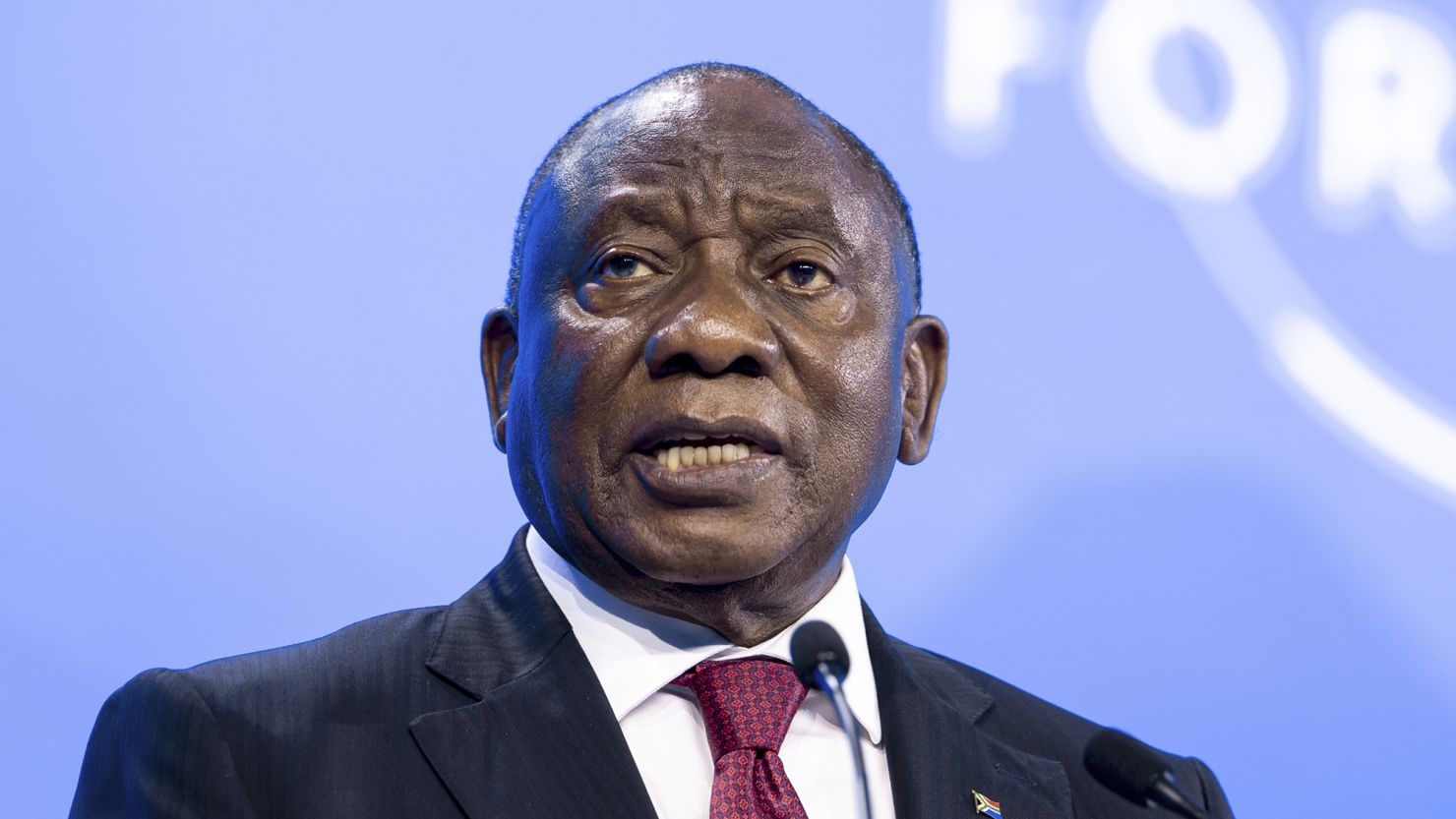
In 2025, President Cyril Ramaphosa established the Khampepe Commission of Inquiry to examine allegations that efforts were made to prevent the investigation and prosecution of TRC cases. Its mandate was extended in May 2026, with a final report now due by December.
Against that backdrop, the Sharpeville litigation could become part of a much broader reckoning over whether South Africa’s transition from apartheid delivered sufficient justice for victims.
A test of post-apartheid accountability
The government has yet to fully respond to the new legal action.
For South Africa, the challenge will be balancing the passage of time with the constitutional principle that victims should have meaningful access to justice. The state can strengthen confidence in the process by engaging transparently with the claimants, preserving historical records and ensuring that any court-ordered or negotiated reparations are administered fairly.
The Sharpeville case also offers an opportunity to move beyond symbolic remembrance.
For decades, March 21 has been commemorated as Human Rights Day in South Africa. But for survivors and families, remembrance without meaningful redress can leave the past unresolved.
Their court action is therefore about more than compensation. It is an attempt to establish that the passage of time should not erase the right to seek justice for state violence.
More than 60 years after Sharpeville, the courts may now be asked to decide whether one of apartheid’s legal shields can finally be removed.