ViewPoints Africa Editorial Team
 Twenty-five years after African leaders unveiled the New Partnership for Africa’s Development (NEPAD) as the continent’s blueprint for renewal, the mood in Cape Town this week was marked by both celebration and unease. What began in 2001 as an ambitious vision of African-led development, regional integration, and economic self-determination is now confronting a far more fractured geopolitical and domestic reality.
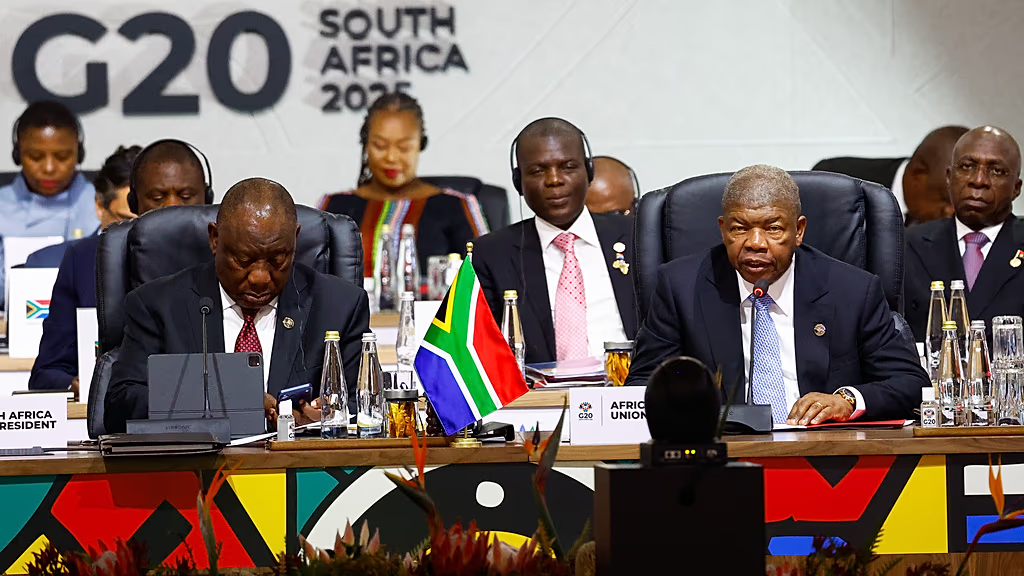
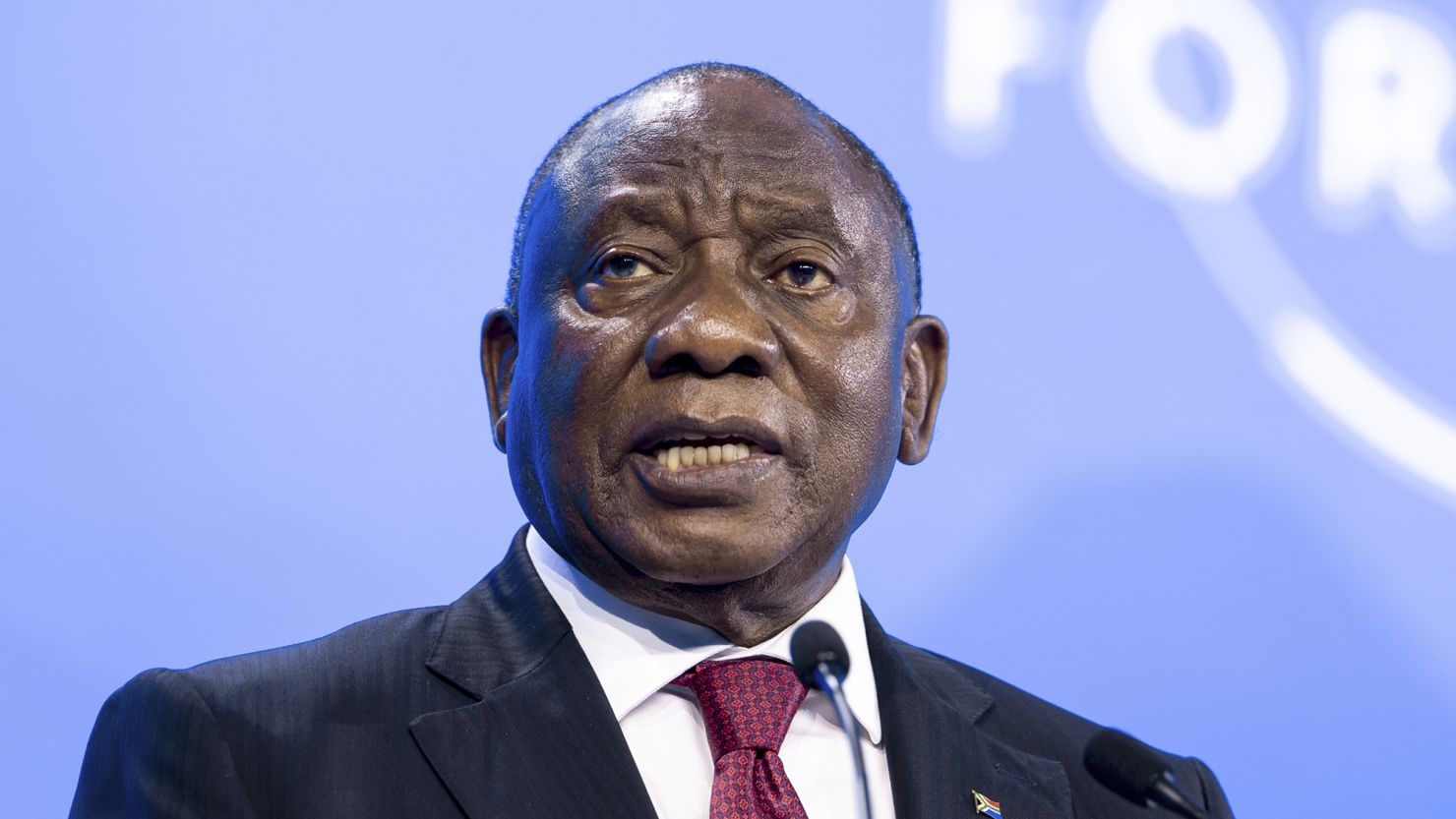
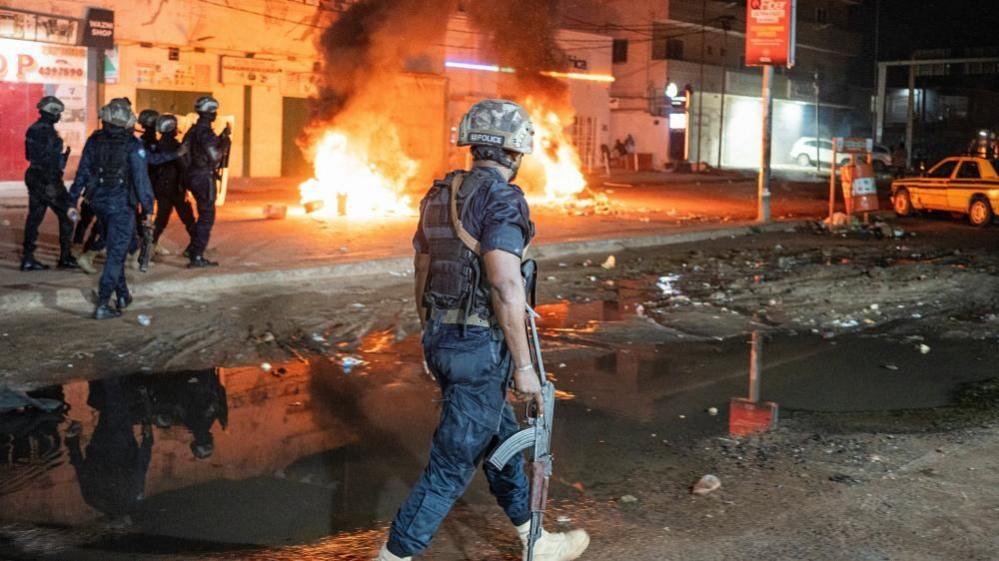
At the NEPAD@25 High-Level Summit in South Africa, Deputy President Paul Mashatile and former President Thabo Mbeki stood before diplomats, policymakers, and continental institutions to defend the relevance of a project many once considered Africa’s grand developmental gamble. Mashatile used the occasion not only to praise NEPAD’s legacy but to issue a pointed warning against xenophobic violence within South Africa, describing such attacks as “shameful” and fundamentally incompatible with the ideals of African unity.
His remarks touched a sensitive nerve.
For years, South Africa has occupied a paradoxical position within African politics: economically influential and diplomatically central, yet periodically destabilised by anti-immigrant violence targeting African migrants from Zimbabwe, Nigeria, Somalia, Ethiopia, Mozambique, and elsewhere on the continent. The contradiction is especially striking because South Africa was once one of the strongest political champions of Pan-African solidarity in the post-apartheid era.
Now, at a summit commemorating one of Africa’s most ambitious integration projects, the issue has returned to the forefront.
The symbolism matters because NEPAD itself was born from a different continental moment. In the early 2000s, leaders including Thabo Mbeki, Olusegun Obasanjo, and Abdoulaye Wade sought to reposition Africa after decades of debt crises, structural adjustment programmes, military coups, and donor dependency. Their argument was bold for its time: Africa’s development would not emerge from perpetual aid frameworks but from governance reform, infrastructure investment, trade integration, and African ownership of economic policy.
NEPAD became the institutional expression of that aspiration.
At its core was the belief that Africa could negotiate with the world not merely as a collection of fragile economies but as an increasingly coordinated political and economic bloc. Infrastructure corridors, regional trade systems, peer governance mechanisms, and development partnerships were meant to form the backbone of a more self-sustaining continent.
But twenty-five years later, many of those ambitions remain incomplete.
Mashatile’s speech underscored one of the clearest frustrations: intra-African trade still hovers around 15% of total African trade volumes, a figure dramatically lower than Europe or Asia. Despite decades of regional integration rhetoric, African economies continue to trade more extensively with external powers than with one another. The African Continental Free Trade Area (AfCFTA), launched with enormous optimism in 2021, was supposed to change that equation by creating the world’s largest free trade zone by participating countries.
Yet progress has been slower than many advocates anticipated.
Tariff barriers, weak transport infrastructure, currency instability, customs inefficiencies, and political fragmentation continue to obstruct meaningful continental commerce. Even where agreements exist on paper, implementation gaps remain severe. African businesses frequently face greater difficulty moving goods across neighbouring borders than exporting raw materials to Europe or Asia.
This structural contradiction has haunted African development strategy for decades.
The continent remains rich in resources yet weakly industrialised. It exports crude commodities while importing finished products. It speaks increasingly of economic sovereignty while remaining heavily exposed to global financial volatility and external debt pressures. NEPAD’s architects hoped coordinated regional integration could begin reversing those patterns. The AfCFTA represents perhaps the most serious continuation of that original vision.
But trade integration alone cannot resolve the deeper political tensions undermining continental cohesion.
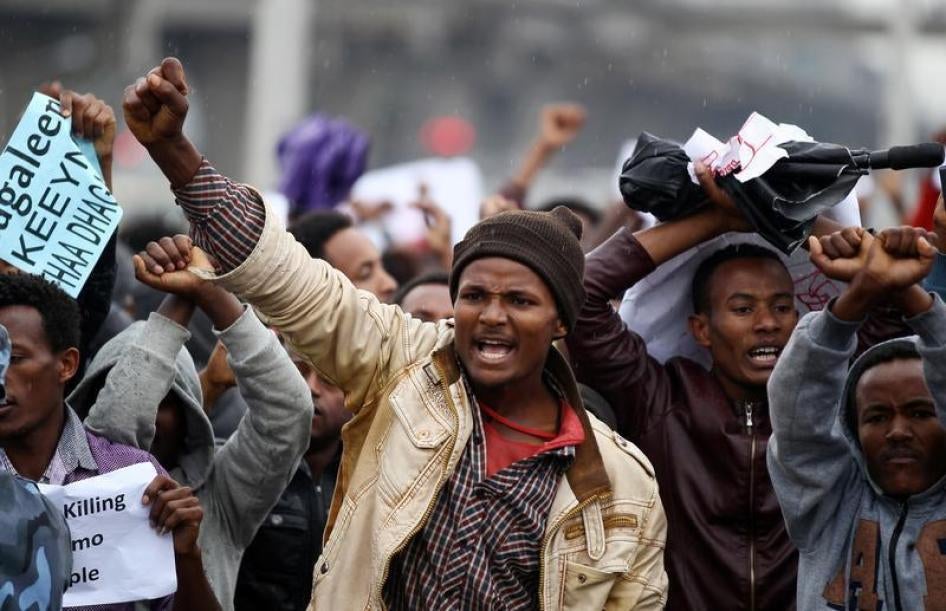
Mashatile’s condemnation of xenophobia reflects growing concern that domestic economic anxieties across Africa are increasingly colliding with Pan-African ideals. South Africa’s unemployment crisis, widening inequality, and public frustration over state failures have created fertile ground for populist narratives blaming migrants for economic hardship and crime. Similar nationalist tensions are emerging elsewhere on the continent as governments struggle with inflation, youth unemployment, urban instability, and migration pressures intensified by conflict and climate disruption.
This creates a dangerous political contradiction for African integration.
Regional trade systems depend on openness, labour mobility, and political trust between states. Xenophobic violence erodes all three. It damages diplomatic relations, weakens regional confidence, and reinforces the perception that Pan-Africanism remains rhetorically powerful but institutionally fragile.
For South Africa, the stakes are particularly high.
Pretoria has long positioned itself as both an economic gateway and diplomatic leader within Africa. Under Mbeki especially, the country championed the concept of an “African Renaissance,” arguing that African states could collectively shape a new era of democratic governance and economic revival. NEPAD was central to that philosophy.
Yet South Africa today faces domestic pressures very different from those of the early 2000s.
Persistent electricity crises, stagnant economic growth, deteriorating infrastructure, corruption scandals, and political fragmentation have weakened the country’s moral authority on the continent. Critics increasingly argue that South Africa’s internal instability limits its ability to project continental leadership credibly.
The irony is that many of NEPAD’s original concerns remain painfully relevant.
Infrastructure deficits still constrain growth. External debt vulnerabilities remain severe. Commodity dependency persists. Youth unemployment continues to rise across much of the continent. Meanwhile, geopolitical competition over Africa’s resources and strategic positioning has intensified dramatically, with China, the United States, Russia, the Gulf states, Turkey, and the European Union all seeking deeper influence.
In that environment, advocates of continental integration argue that Africa has little choice but to deepen economic coordination.
The AfCFTA, despite its slow implementation, remains one of the few large-scale structural projects capable of reshaping Africa’s economic trajectory over the long term. Supporters believe that a functioning continental market could strengthen industrialisation, improve bargaining power in global trade negotiations, and reduce dependence on external commodity cycles.
But achieving that vision will require more than summit declarations.
It will demand political consistency, infrastructure financing, border reform, institutional trust, and perhaps most critically, public belief that regional integration produces tangible benefits for ordinary Africans. Without that social legitimacy, Pan-Africanism risks becoming increasingly disconnected from domestic realities shaped by unemployment, insecurity, and inequality.
That tension hung heavily over Cape Town this week.
The NEPAD@25 summit was meant to celebrate a quarter-century of continental ambition. Instead, it also became a reminder of how unfinished Africa’s integration project remains. The dream that animated NEPAD’s founders has not disappeared, but it is now operating in a harsher political climate — one shaped by economic nationalism, geopolitical fragmentation, and deep public frustration.
Twenty-five years later, the central question remains remarkably unchanged: can Africa transform political solidarity into genuine economic power?
The answer may determine not only the future of NEPAD, but the credibility of Africa’s broader integration agenda in the decades ahead.