oluwatosin oyeniyi
 The recent unrest in Kenya was a direct response to escalating fuel prices, which had been steadily climbing due to global market disruptions, particularly the conflict in the Middle East impacting oil supply routes through the Strait of Hormuz. The Energy and Petroleum Regulatory Authority (EPRA) had previously announced price hikes, leading to widespread discontent among public transport operators and the general populace.
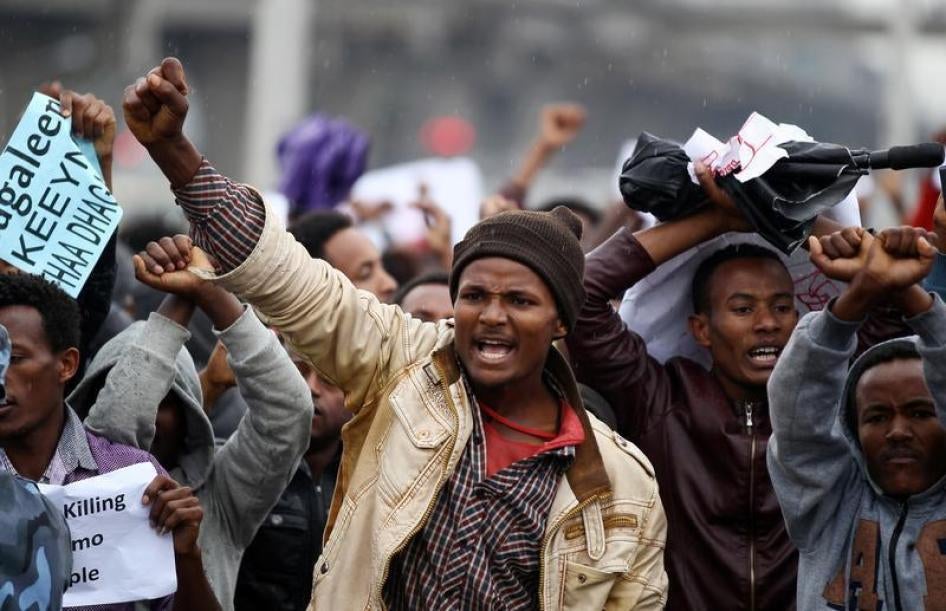
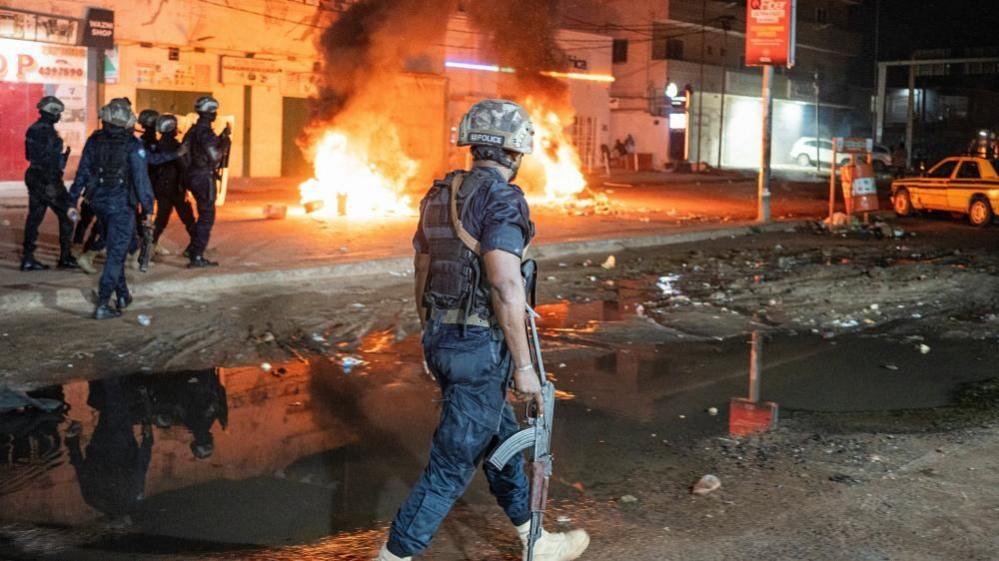
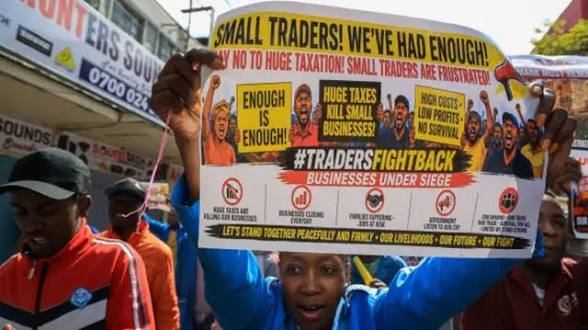
The protests, which began on May 18, 2026, quickly escalated into a nationwide strike by public transport operators, commonly known as matatus. Thousands took to the streets, burning tires on major highways and blocking roads, effectively paralyzing movement in several towns. Businesses and schools were forced to close, highlighting the immediate and severe economic impact of the demonstrations.
Tragically, the protests turned deadly. Reports indicate that at least four people were killed and more than 30 injured during clashes with police, who reportedly fired live ammunition at demonstrators. These casualties underscore the gravity of the situation and the deep-seated frustration among Kenyans regarding the rising cost of living and the perceived inadequacy of government measures to cushion citizens from economic shocks.
Government Intervention and Policy Response
In response to the escalating crisis, President William Ruto, upon his return to the country, initiated talks with transport sector stakeholders, leading to a crucial announcement on May 22, 2026]. In a televised address from State House Mombasa, President Ruto declared a further reduction in diesel prices by Ksh 10 per litre for the upcoming June-July fuel pricing cycle. This move was presented as a measure to stabilize pump prices and alleviate the burden on consumers struggling with the high cost of living.
Ruto defended the government’s actions, stating that Ksh 28.19 billion had already been spent across the April/May and May/June 2026 pricing cycles on direct subsidies and tax relief interventions to cushion consumers. He also highlighted the reduction of Value Added Tax (VAT) on petroleum products from 16 percent to 8 percent, which resulted in a foregone tax revenue of Ksh 14.4 billion. According to the President, without these interventions, diesel prices would have been significantly higher, retailing at Ksh 277.75 per litre instead of the current Ksh 232.86.
A key aspect of the government’s strategy has been the government-to-government (G2G) fuel import framework, which Ruto staunchly defended. He asserted that this framework has ensured stable fuel supplies despite global supply chain disruptions and has protected the Kenya shilling from rapid depreciation by easing pressure on foreign exchange demand. This arrangement, introduced in 2023, aims to provide predictable supply terms, contrasting with the previous spot market system that saw sharp monthly price fluctuations.
Economic Implications and the G2G Deal
The economic implications of the fuel crisis and the government’s response are multifaceted. While the immediate fuel price cut offers temporary relief to consumers and transport operators, the long-term sustainability of such interventions, particularly the G2G fuel import framework, remains a subject of debate and scrutiny. The government’s expenditure of Ksh 28.19 billion on tax relief and subsidies, coupled with the Ksh 14.4 billion foregone in VAT revenue, highlights the significant fiscal strain these measures place on the national budget.
Critics argue that while the G2G arrangement aims to stabilize fuel supplies and the shilling, it has also been accused of creating market distortions and lacking transparency. Some analyses suggest that the G2G deal, despite its stated goals, has not fully insulated Kenya from global oil shocks, as evidenced by the recent price hikes triggered by the Iran conflict. Furthermore, there are concerns that the framework might be contributing to higher fuel prices in Kenya compared to other East African nations, even as Kenya serves as a key import hub for the region.
The World Bank and IMF have consistently urged Kenya to undertake reforms in the energy sector to ensure financial sustainability and adopt policies that strengthen fiscal and external debt frameworks [7, 8]. The reliance on subsidies, while politically expedient, can be fiscally unsustainable in the long run and may divert funds from other critical development sectors. The gendered impacts of fuel subsidy removal policies have also been highlighted in research, indicating that such policies can disproportionately affect vulnerable populations. The recent protests, which reportedly cost Kenya Ksh 6 billion, further underscore the economic fragility and the high cost of social unrest.
Solutions / Forward-Looking Perspective
Addressing Kenya’s recurring fuel price volatility and its socio-economic ramifications requires a multi-pronged approach that balances immediate relief with long-term sustainability. One critical area for consideration is enhancing the transparency and accountability of the G2G fuel import framework. While President Ruto defends its role in stabilizing supply and the shilling, concerns about market distortions and lack of clarity persist. A more open framework, potentially involving independent oversight and clear performance metrics, could build public trust and ensure that the benefits of the arrangement are genuinely passed on to consumers.
Furthermore, diversifying Kenya’s energy mix and reducing its heavy reliance on imported fossil fuels is paramount. Investing in renewable energy sources, such as geothermal, solar, and wind power, could provide a more stable and environmentally sustainable energy future. This would not only mitigate exposure to global oil price shocks but also align with global climate goals. The World Bank and IMF’s emphasis on energy sector reforms and financial sustainability underscores the need for policies that promote such diversification and reduce the fiscal burden of fuel subsidies.
From a policy perspective, the government could explore targeted interventions for vulnerable populations rather than broad-based subsidies that often benefit wealthier segments more. This could include direct cash transfers or support for public transport operators to upgrade to more fuel-efficient vehicles. Additionally, fostering a more competitive domestic market for fuel distribution could help reduce profit margins and ensure fairer pricing for consumers. Engaging in continuous dialogue with stakeholders, including transport operators, civil society, and economic experts, is crucial to developing comprehensive and widely accepted solutions that address both the immediate and structural challenges of fuel pricing in Kenya.
Kenya’s recent fuel crisis and the government’s response highlight the delicate balance between economic stability, public welfare, and fiscal responsibility. While President Ruto’s intervention to cut diesel prices successfully de-escalated tensions and ended the transport strike, the underlying vulnerabilities of Kenya’s energy sector and the broader economy remain. The reliance on global oil markets, the fiscal strain of subsidies, and the complexities of the G2G import framework necessitate a strategic and transparent approach. Moving forward, Kenya’s path to energy security and economic resilience will depend on its ability to implement sustainable energy policies, diversify its energy sources, and foster inclusive dialogue that addresses the concerns of all stakeholders. Only through such comprehensive efforts can the nation truly navigate the turbulent waters of global energy dynamics and ensure a stable future for its citizens.