oluwatosin oyeniyi
 ANTANANARIVO, Madagascar —Madagascar’s former Senate president, General Richard Ravalomanana, has been sentenced to 10 years of hard labour for his alleged role in the violent repression of youth-led protests that shook the country in 2025.
The criminal court in Antananarivo found the retired gendarmerie general guilty of complicity in murder and complicity in intentional assault and battery. His lawyer has rejected the decision and announced plans to appeal.
The case places the question of political accountability at the centre of Madagascar’s continuing effort to reckon with the unrest that eventually transformed the country’s political landscape.
From protests to political crisis
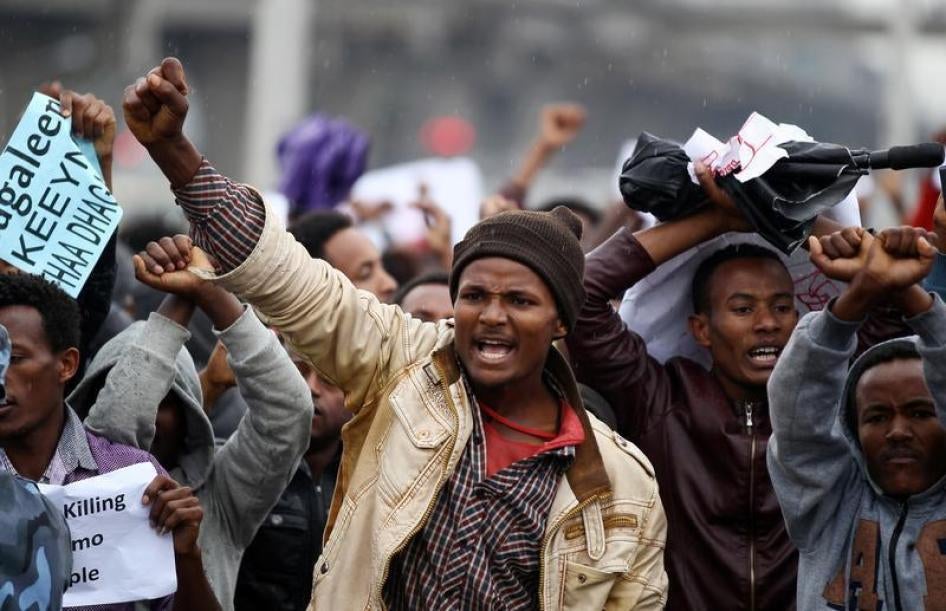
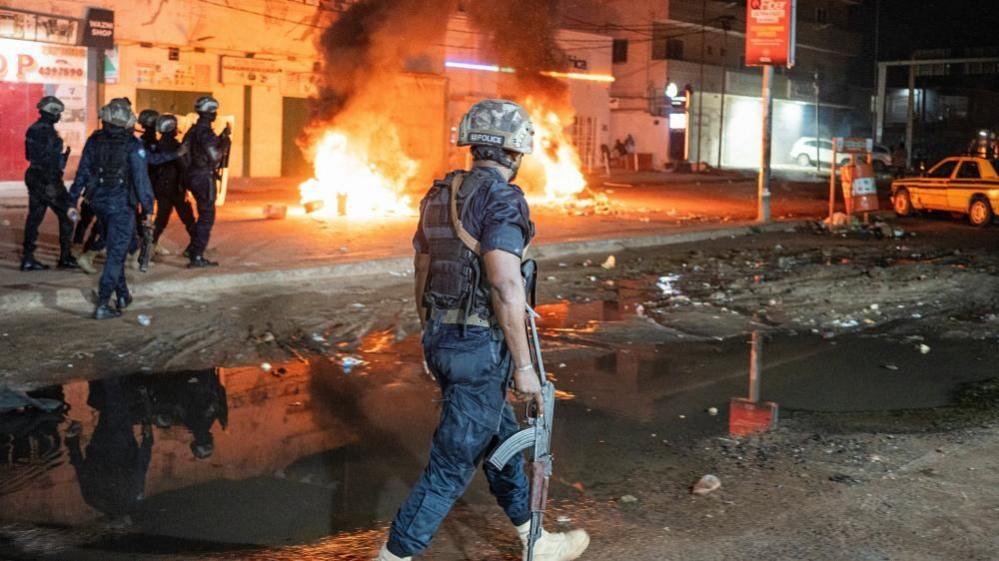
The demonstrations began in September 2025 amid public anger over persistent shortages of electricity and water. What started as a protest over deteriorating public services quickly expanded into a broader movement against the government of then-President Andry Rajoelina.
According to figures cited by Africanews, at least 22 people were killed and more than 100 injured during the unrest. The protests contributed to a political crisis that culminated in Rajoelina’s removal from office in October 2025.
Ravalomanana was a senior figure in the former administration and had previously served as a senior official in the gendarmerie. Prosecutors accused him of using his influence to direct security forces to employ violence against demonstrators.
The former Senate president denied the allegations. His defence argued that he was no longer responsible for directing security operations during the protests and questioned the absence of a written or verbal order directly linking him to the violence. A former national police chief who testified also disputed the prosecution’s account of Ravalomanana’s operational role.
A test for accountability
The conviction is significant because it moves beyond the protesters themselves and places responsibility for the crackdown under judicial scrutiny.
For victims and families affected by the violence, the case could represent an important step toward accountability. But the credibility of that process will depend on whether the courts are able to demonstrate that the conviction was based on independently established evidence rather than political retaliation following a change of government.
That distinction matters in countries where political transitions can turn criminal justice into another arena for settling political disputes.
Ravalomanana was removed as Senate president in October 2025 and later arrested in December after failing to respond to a gendarmerie summons. He has spent months in detention while legal proceedings progressed.
What comes next
The appeal will provide another opportunity to test the evidence presented during the trial and the legal basis for the conviction.
Madagascar also faces the broader challenge of addressing the conditions that triggered the protests in the first place. Reliable electricity and water supplies, accountable security institutions, independent courts and credible investigations into deaths during demonstrations are essential to rebuilding public trust.
The government can strengthen that process by ensuring that investigations into protest-related abuses are transparent, that victims have access to justice and that security forces operate under clear rules governing the use of force.
Ravalomanana’s conviction may therefore become more than the prosecution of one former official. It could serve as a measure of whether Madagascar is prepared to establish a consistent standard of accountability — one that applies to those who protest as well as those who wield state power.