oluwatosin oyeniyi
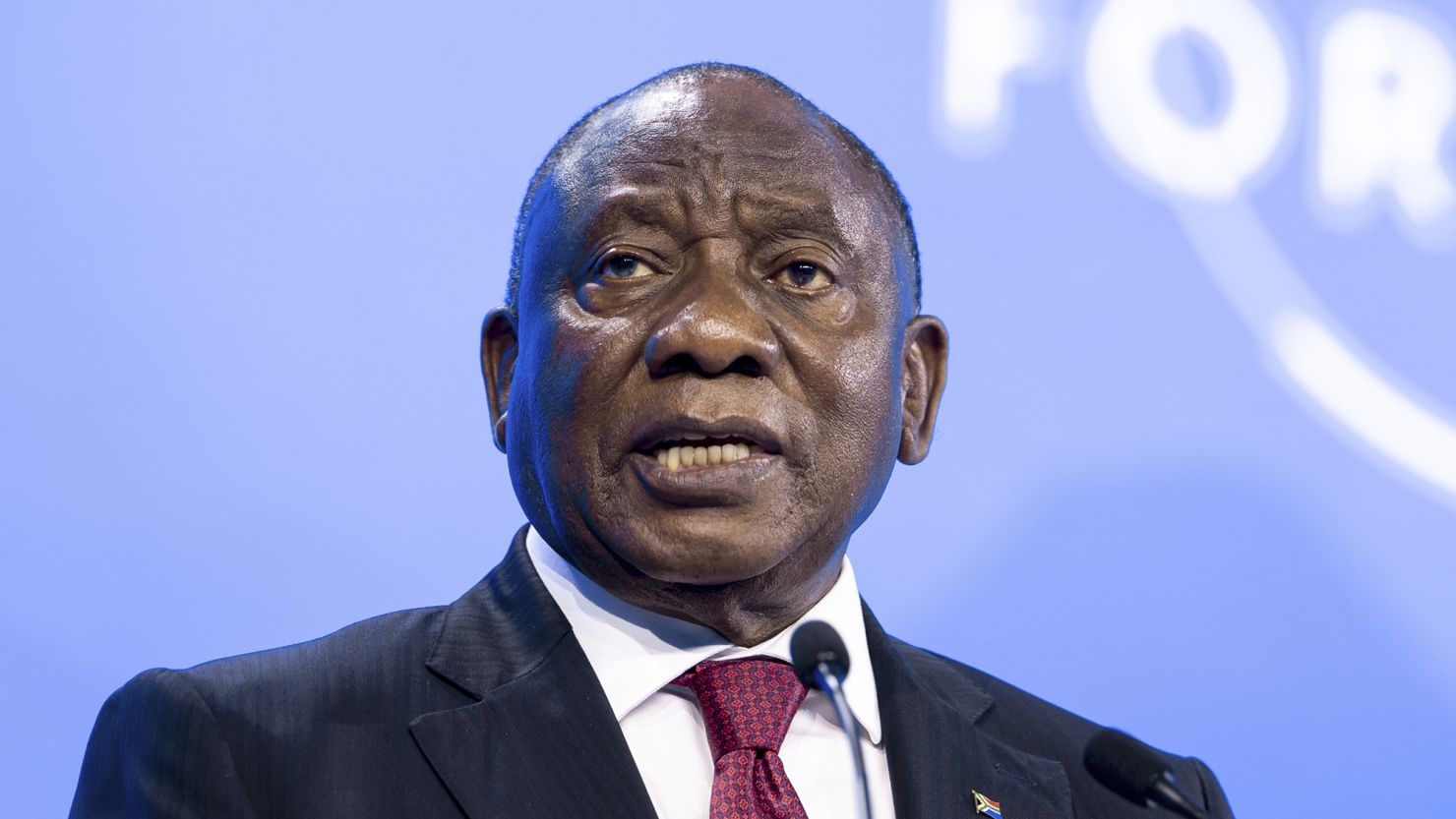
 LUSAKA, Zambia — President Hakainde Hichilema has been sworn in for a second five-year term, but his inauguration has been overshadowed by a disputed election, allegations of democratic backsliding and the detention of his main political rival on treason charges.
Hichilema took the oath of office on Tuesday, September 1, at the National Heroes Stadium in Lusaka, before thousands of supporters and regional leaders. His re-election extends his presidency to 2031.
The ceremony came just days after opposition leader Brian Mundubile and his running mate, Makebi Zulu, were formally charged with treason. The pair had rejected the August 13 election result and spent almost two weeks in hiding before seeking protection at a United Nations facility in Lusaka. They were later handed over to Zambian authorities after receiving assurances of due process.
The contrast was striking: while the president celebrated a second mandate, the politician who finished second in the election was behind bars.
Hichilema wins, but election faces scrutiny
The Electoral Commission of Zambia declared Hichilema the winner with about 60% of the vote, compared with roughly 38% for Mundubile. The result gave Hichilema a clear majority and removed the immediate possibility of a second-round vote.
However, international and local observers raised concerns about the electoral environment.
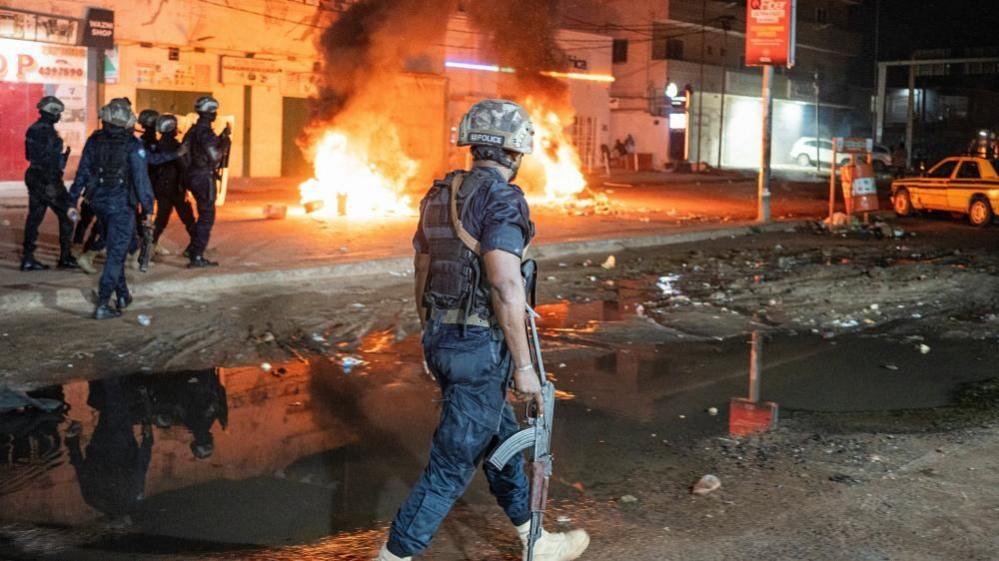
Reports cited allegations of intimidation, restrictions on opposition activities, arrests of opposition figures and irregularities surrounding the counting process. The closure of Zambia’s courts on August 24, the final day for filing a presidential election petition, also prevented a legal challenge from proceeding normally.
The government has defended the election and Hichilema’s victory.
The controversy is nevertheless significant because Zambia has long been regarded as one of Southern Africa’s more stable electoral democracies. The country has experienced peaceful transfers of power since the return to multiparty politics in 1991.
Opposition leader now faces treason charges
Mundubile’s detention has become one of the most contentious developments following the election.
He went into hiding after security forces raided a property linked to him on August 14. Authorities said they were investigating an alleged militia that posed a threat to national security.
During the operation, former cabinet minister Mutotwe Kafwaya was shot and killed, while 11 people associated with Mundubile’s political camp were arrested. Mundubile’s National Reconciliation Party for Unity and Prosperity (NRPUP) rejected allegations that the opposition was preparing an armed insurgency.
Mundubile and Zulu were later detained and formally charged with treason, although the authorities have not publicly provided detailed evidence explaining the allegations.
That has raised concerns about whether Zambia’s criminal justice system is being used appropriately in the aftermath of a contested election.
The government has a legitimate responsibility to investigate credible threats to national security. But treason is an exceptionally serious charge, making transparency, evidence and judicial independence particularly important.
A striking reversal for Hichilema
The situation also carries an element of political irony.
Hichilema himself was arrested and charged with treason in 2017 while serving as opposition leader under former President Edgar Lungu.
He spent about four months in a maximum-security prison before the charges were dropped.
At the time, Hichilema accused Lungu’s government of using the justice system to silence political opposition.
His rise to power in 2021 was built partly around promises to strengthen democracy, restore the rule of law and reverse what he described as authoritarian tendencies under his predecessor.
The treatment of Mundubile therefore places Hichilema’s second administration under particular scrutiny.
Economic gains, but households remain under pressure
Hichilema enters his second term with a mixed economic record.
His government has pursued market-oriented reforms, including a major debt restructuring programme, efforts to revive investment and reforms aimed at stabilising the economy.
His administration also abolished the death penalty and expanded access to free primary and secondary education but economic growth has not eliminated hardship.
Zambia remains heavily dependent on copper, which accounts for roughly 70% of export earnings. The country’s mineral wealth has attracted major international investment, particularly from China, while also making Zambia increasingly important in the global competition over critical minerals.
For ordinary households, however, economic improvements have not always translated into significantly better living standards.
High living costs, unemployment and poverty remain major concerns.
The challenge for Hichilema’s second term will therefore be to turn macroeconomic stability into tangible improvements in household incomes, jobs, healthcare, education and public services.
Democracy is now part of Hichilema’s second-term test
The president’s economic record may determine how his second term is remembered, but the health of Zambia’s democratic institutions will be equally important.
The controversy surrounding the election has already damaged confidence among sections of the opposition and civil society.
The government can begin rebuilding that confidence by ensuring that Mundubile and Zulu receive a fair and transparent judicial process, publishing evidence supporting the treason allegations and protecting the independence of the courts.
It should also ensure that future elections allow opposition parties to campaign freely and that electoral disputes can be challenged through functioning judicial institutions.
For Zambia, the stakes are bigger than one election or one opposition leader.
The country has spent decades building a reputation for peaceful political transitions. Protecting that reputation requires more than holding elections. It requires ensuring that political competition remains possible, courts remain accessible and opposition leaders can challenge the government without fearing persecution.
A second term at a crossroads
Hichilema begins his second term with a strong electoral mandate on paper, but the circumstances surrounding his victory have created a difficult political challenge.
His government now has an opportunity to demonstrate that Zambia’s democratic institutions remain stronger than individual political interests.
That means allowing the courts to determine the Mundubile case, addressing credible concerns about the election and ensuring that national security laws are not used to silence legitimate political dissent.
At the same time, Hichilema must deliver on the economic promises that helped secure his first mandate.
Zambia’s second term will ultimately be judged on two fronts: whether Hichilema can improve the lives of ordinary citizens and whether he can preserve the democratic standards he once promised to defend.
For a country whose political history has been marked by peaceful transfers of power, ensuring that both goals survive the next five years will be critical.