oluwatosin oyeniyi
 A sudden eruption of urban warfare in Mogadishu has exposed the dangerous fragility of Somalia’s transitional state institutions. As domestic political factions turn advanced weaponry against one another over a bitter constitutional impasse, the nation faces a structural breakdown that threatens to undo a decade of hard-won counter-insurgency gains.
The Immediate Development
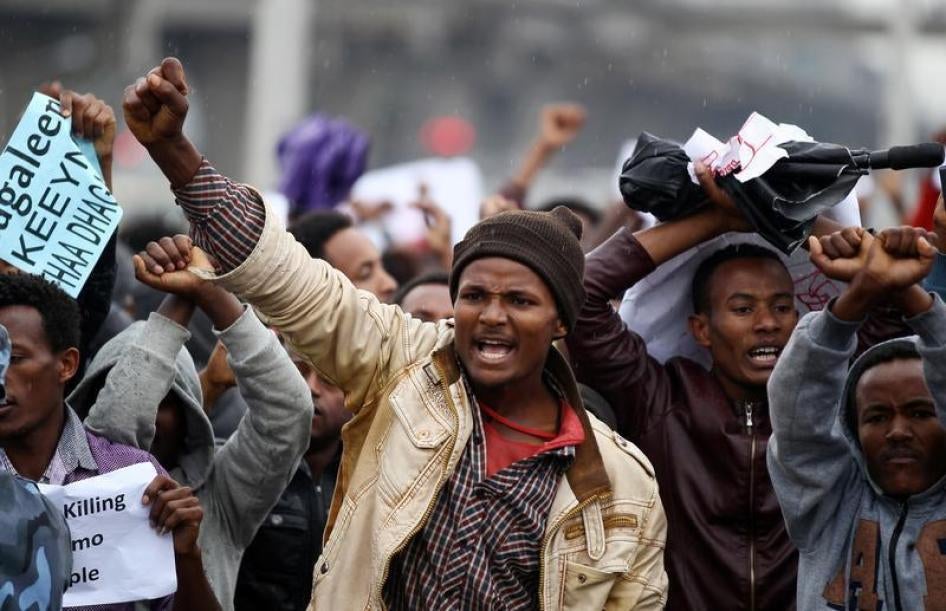
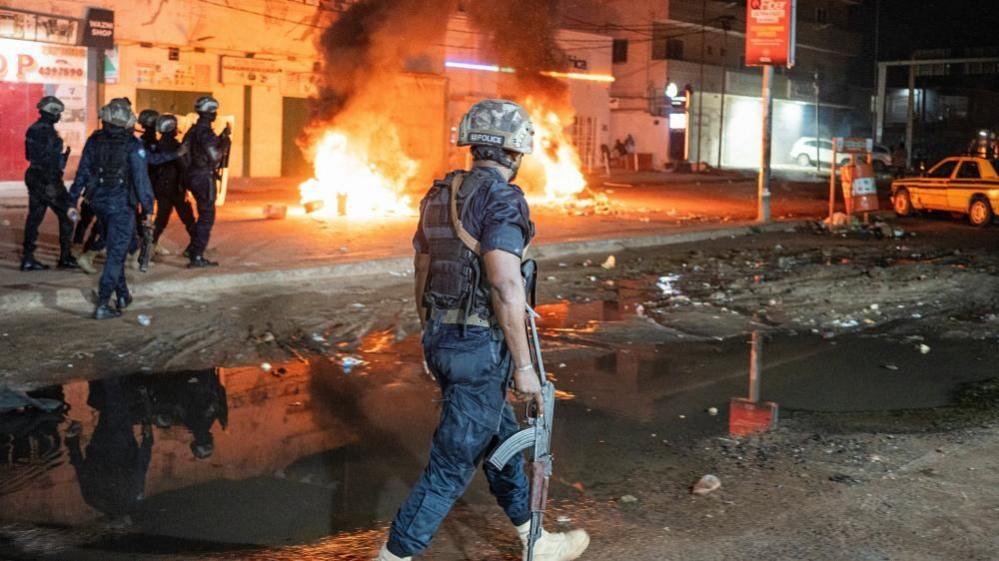
Heavy kinetic clashes rocked multiple districts of Somalia’s capital, Mogadishu, signaling the worst domestic security emergency the city has seen in years. Elite federal security forces and heavily armed militias loyal to prominent opposition figures exchanged intense mortar and automatic weapons fire across the high-density neighborhoods of Howlwadaag, Abdiaziz, and Hodan. The violence erupted just ahead of planned anti-government mass demonstrations. The UN High Commissioner for Refugees estimated that the initial days of fighting resulted in at least 13 civilian deaths, nearly 200 injuries, and the displacement of over 12,000 households.
While a temporary, fragile truce was brokered via intense mediation by traditional clan elders and the National Intelligence and Security Agency, the capital remains highly militarized. International partners, including the United Nations, the African Union, and the United States diplomatic mission have issued urgent directives condemning the escalation and demanding an immediate return to peaceful political dialogue. However, the core grievances driving the factions to the brink of open warfare remain completely unaddressed, leaving the capital in a state of suspended animation.
What Is Really Driving This?
The unfolding Somalia constitutional crisis is not an isolated security failure, but the direct consequence of systemic political brinkmanship surrounding the rules of executive power. The violence was triggered by the official expiration of President Hassan Sheikh Mohamud’s executive mandate. In a highly controversial move, the bicameral Federal Parliament passed far-reaching constitutional amendments that extended presidential and legislative terms by an additional year. While the administration justified this extension as a technical necessity to prepare for long-delayed direct one-person, one-vote elections, opposition leaders viewed it as an unconstitutional power grab.
This institutional breakdown has resurrected a deeply entrenched structural issue: the fragmentation of the Somali security sector along factional and clan lines. Over the past few years, international partners poured millions of dollars into training elite commandos and special forces designed explicitly for rural counter-terrorism operations against Al-Shabaab.
Yet, when political elite friction peaks, these highly trained state forces are systematically redirected inward to shell domestic political rivals and suppress local dissent. This dynamic reveals a fundamental contradiction that international donors consistently overlook: building a technically proficient military is entirely useless if the underlying state lacks a unified, consensus-driven constitutional framework to govern its use.
Why This Matters Beyond One Country
The systemic danger of the Mogadishu power struggle lies in its immediate threat to broader East African security architectures. Somalia is currently navigating a highly sensitive transition phase where the African Union Transition Mission in Somalia is drawing down forces to hand over primary defense responsibilities to local troops. When the political center fractures, the state’s military command structure degrades, instantly creating massive security vacuums.
The primary beneficiary of this elite disarray is Al-Shabaab, an Al-Qaeda affiliate that maintains a sophisticated shadow governance network across rural territories. As federal units abandon frontline trenches in central Somalia to defend or challenge factions in Mogadishu, insurgent forces are already capitalizing on the distraction to re-infiltrate previously stabilized rural zones.
Furthermore, the domestic crisis exacerbates existing regional geopolitical fractures. Federal Member States such as Puntland and Jubaland have explicitly aligned with the opposition under the umbrella of the Somali Future Council, rejecting Mogadishu’s centralized authority. This deep internal split paralyzes cohesive regional trade integration and hampers coordinated regional initiatives within the Intergovernmental Authority on Development, effectively stalling economic development across the Horn of Africa.
Risks, Contradictions and Implications
The most glaring contradiction within Somalia’s state-building trajectory is the recurrent pattern of term-extension crises. President Hassan Sheikh Mohamud’s predecessor attempted a nearly identical mandate extension, which similarly plunged the capital into armed clashes before being forced to back down. The fact that successive administrations resort to the exact same volatile maneuvers highlights a profound failure of the political class to institutionalize peaceful transitions of power.
The unintended consequences of this gridlock stretch far beyond immediate political casualties. By deploying foreign-trained, counter-insurgency forces against civilian neighborhoods and rival political figures, the federal government risks completely alienating vital clan constituencies. In Somalia’s complex social matrix, state legitimacy relies entirely on delicate inter-clan trust.
If local communities perceive the national army as a partisan tool for executive entrenchment, they will withdraw their cooperation, stop sharing vital anti-terror intelligence, and potentially seek security alliances with parallel actors including insurgent elements.
What Happens Next?
Looking ahead, the political trajectory of the country hinges entirely on whether the administration can convert the current temporary truce into an inclusive, formal National Consultative Forum. To prevent a return to active urban warfare, the federal government will likely be forced to offer structural concessions to the Somali Future Council and regional state leaders. These concessions will need to include a clear, binding timeline for inclusive legislative and presidential polls.
Concurrently, international donors will likely adjust their security assistance frameworks. Faced with clear evidence that specialized equipment has been diverted for political infighting, key Western and regional partners may introduce stricter oversight mechanisms on military aid. This shift could slow down immediate procurement processes just as Al-Shabaab integrates advanced tactical capabilities, including drone operations, into its regional campaign.
The recent violence in Mogadishu proves that institutional engineering cannot substitute for broad-based political consensus. For Somali policymakers and their international backers, the lesson is clear: pursuing a centralized democratic model without a foundational agreement among all regional and clan stakeholders is an invitation to state collapse.
True national resilience will not be achieved through unilateral constitutional amendments or the expansion of elite security units. It requires an immediate, humble return to negotiated elite pacts, a genuinely collaborative approach to federalism, and the recognition that a stable ballot box cannot be built upon a highly fractured political foundation.