oluwatosin oyeniyi
 Political tensions in the Democratic Republic of Congo have receded from a critical flashpoint following a tactical shift in Kinshasa Click to open side panel for more information . The primary opposition framework, the Article 64 Coalition (C64), has officially suspended its nationwide street demonstrations. The decision follows an executive announcement by President Félix Tshisekedi accepting the necessity of an inclusive national political dialogue.
Clergy Mediation and the August 15 Deadline
This political breakthrough followed intense behind-the-scenes diplomacy led by prominent religious leaders. Key mediators included the Catholic Archbishop of Kinshasa, Cardinal Fridolin Ambongo, alongside leaders from Protestant denominations and other major faith groups. Responding to direct appeals from the clergy to trade street confrontation for negotiation, C64 leadership including opposition figures Martin Fayulu and Moïse Katumbi agreed to halt their planned demonstrations.
However, the opposition’s compliance remains strictly conditional. Coalition spokespersons issued a firm ultimatum, demanding that President Tshisekedi formally convene the national dialogue sessions no later than August 15.
The opposition insists the dialogue agenda must comprehensively address critical issues, including:
- Contested legislative proposals for constitutional revision and term limits.
- The immediate release and legal status of political prisoners
- Guarantees for the protection of civic space and assembly rights.
- Clear commitments to hold free, transparent, and timely elections.
The coalition warned that the August 15 date represents a definitive political red line. If the administration fails to initiate formal proceedings by that deadline, street mobilizations will resume immediately across the country.
Internal Pressure and Overlapping National Crises
The sudden turn toward political dialogue highlights the compounding pressures facing the Tshisekedi administration. Domestically, the government has faced backlash over proposed constitutional changes. Opposition figures and civil society groups argue these amendments are designed to reset term limits and allow the President to seek a third mandate.
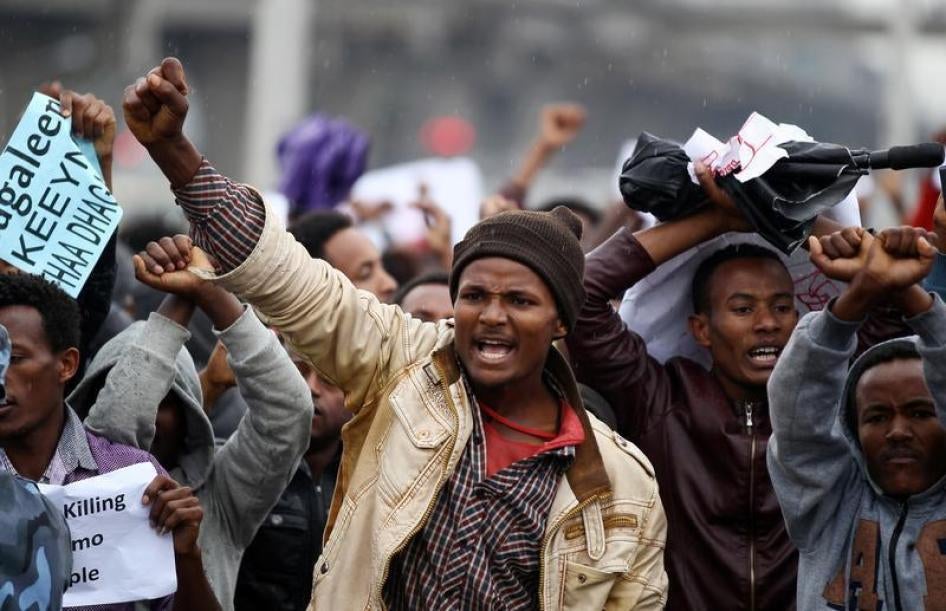
Recent demonstrations against the referendum bill met with force from security personnel, straining relations between the government and moral institutions like the National Episcopal Conference of Congo (CENCO).
At the same time, the administration is confronting severe security and humanitarian emergencies in the eastern provinces. Government officials emphasize that internal political cohesion is urgently required as national armed forces engage the AFC/M23 rebel alliance.
Compounding these geopolitical challenges, state health coordinators and international partners are managing complex humanitarian corridors alongside regional SADC forces to contain a dangerous outbreak of the Bundibugyo Ebola strain.
Looking Ahead
As Kinshasa Click to open side panel for more information awaits a formal presidential ordinance detailing the framework, venue, and mediator mandates for the upcoming talks, the coming weeks will test the stability of this fragile truce.
Whether this pause leads to a genuine political compromise or serves as a temporary lull in a broader power struggle depends on the government’s willingness to meet the August 15 deadline.
DRC president agrees to open national dialogue
This news broadcast provides essential reporting on President Tshisekedi’s agreement to enter talks with the opposition amid mounting domestic pressure over constitutional reform.