ViewPoints Africa Editorial Team
 A massive deployment of anti-riot police and military-grade barricades across Nairobi signals a profound crisis of legitimacy for Kenya’s political establishment. As authorities preemptively paralyze the capital to block the second anniversary of the historic youth-led uprising, the state’s reliance on hard power exposes a widening chasm. Specifically, it highlights the gap between Africa’s democratic institutions and its modern demographic reality.
The Immediate Development in Nairobi
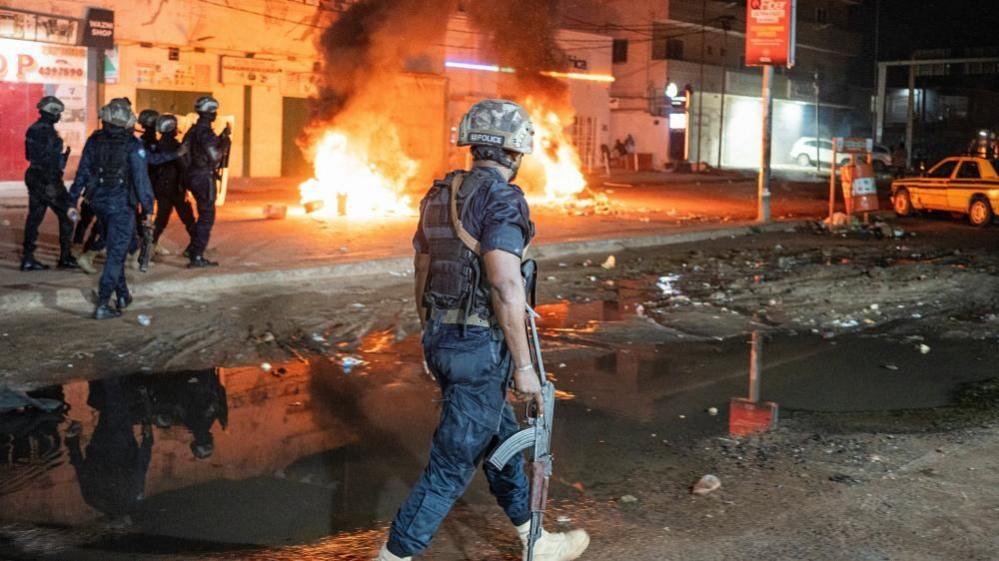
Nairobi awoke to an unprecedented **Kenya security lockdown** as the government preemptively shut down the capital. The state designed this operation to suppress widespread commemorations of the historic June 25, 2024, Gen Z protests. Heavily armed anti-riot police erected extensive roadblocks along major transport arteries. Consequently, security forces restricted traffic on the Thika Superhighway, Waiyaki Way, and Lang’ata Road.
Because officers acted swiftly on executive orders, countless commuters were left stranded. Long-distance transport services faced immediate suspension as police turned vehicles away from the Central Business District (CBD).
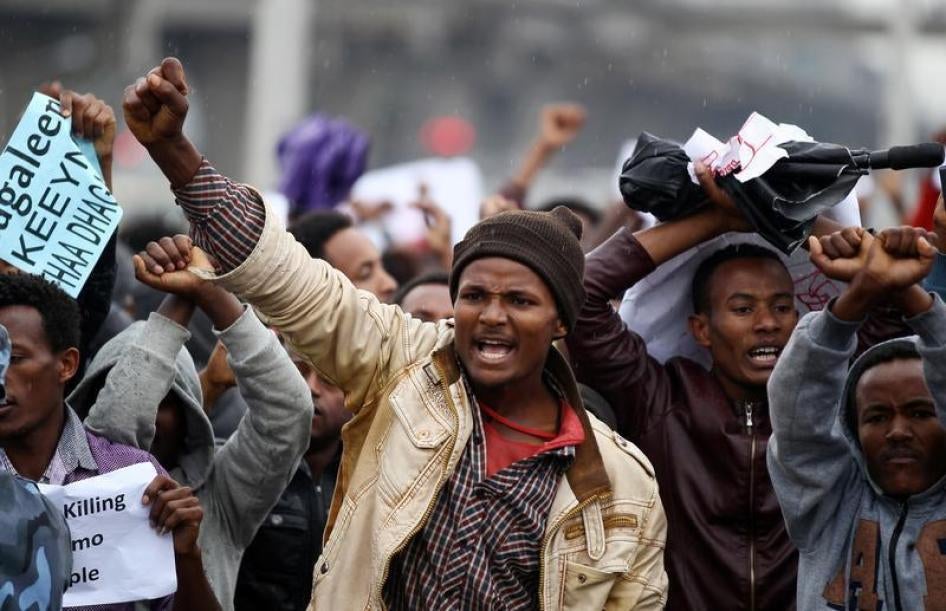
Currently, the epicenter of the state’s defensive posture is the national Parliament. The building remains heavily fortified behind thick layers of razor wire and elite security units. This stands in stark contrast to events from two years ago. At that time, thousands of young, non-partisan Kenyans successfully breached these exact grounds. Their actions ultimately forced the government to withdraw a highly punitive Finance Bill.
Today, the reality on the ground feels vastly different. Despite official assurances from the Interior Ministry that daily activities would proceed uninterrupted, Nairobi faces a de facto martial lockdown. The heavy presence of plainclothes officers and positioned water cannons has effectively paralyzed East Africa’s primary commercial hub.
What Is Really Driving This?
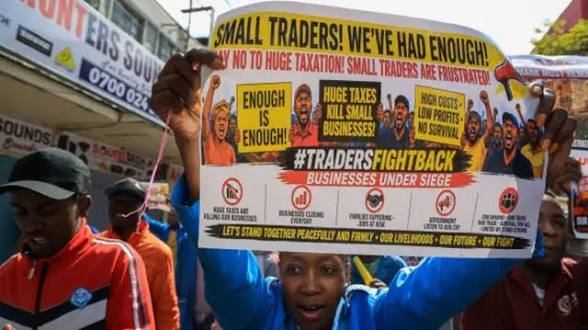
The unfolding crisis is not merely a tactical crowd-control measure. Instead, it is driven by a deep structural fear of a politically awakened, post-ethnic demographic. For decades, the Kenyan political elite successfully maintained control by mobilizing traditional ethnic voting blocs. They also relied heavily on deeply entrenched patronage networks. However, the 2024 protests completely shattered this old paradigm. Young citizens chose to bypass traditional political structures entirely. Instead, they organized organically via digital platforms to demand fiscal accountability and an end to systemic corruption.
Faced with a movement it cannot co-opt or divide along tribal lines, the state has increasingly retreated into securitization. The current administration constantly attempts to balance conflicting priorities. It must satisfy aggressive fiscal demands from international creditors while managing a domestic population buckling under a soaring cost of living. Consequently, economic policy is increasingly enforced through police coercion rather than public consensus.
What policymakers routinely overlook is that deploying state power against unarmed citizens fundamentally erodes the social contract. For example, the state recently offered a compensation fund to victims of past political violence. Yet, at the same time, it deployed plainclothes squads to intimidate future demonstrators. This duality highlights a profound governance contradiction that is difficult to reconcile.
Why This Matters Beyond One Country
The systemic danger of the Nairobi standoff lies in its chilling effect on democratic resilience across the continent. Kenya has long been lauded as the stable democratic anchor of East Africa. The country hosts vital diplomatic missions and serves as a critical hub for foreign direct investment. Therefore, when a nation regarded as a regional beacon resorts to blanketing its capital in razor wire to prevent peaceful assembly, it sets a troubling precedent. It provides a dangerous blueprint for more authoritarian regimes to violently suppress their own youth populations.
Importantly, this demographic clash is not unique to Kenya. It represents the defining challenge of modern Africa. Because the continent possesses the youngest population globally, it is experiencing a massive youth bulge. These young citizens regularly face chronic unemployment, stagnant wages, and exclusionary political systems.
As a result, the tense events in Nairobi are being closely watched from Kampala to Lagos. If the Kenyan state successfully normalizes the suspension of civic movement to silence economic grievances, neighboring administrations will likely notice. They may soon adopt similar preemptive crackdowns against their own digital-native movements.
Furthermore, this heavy securitization directly threatens regional economic integration. Paralyzing the commercial epicenter of East Africa inevitably disrupts cross-border supply chains. It also damages international investor confidence, which unfortunately exacerbates the very economic stagnation that ignited the protests in the first place.
Risks, Contradictions, and Implications
The most glaring contradiction in the current state response is the severe economic cost of suppressing these demonstrations. The government initially introduced contentious tax hikes to raise domestic revenue and service mounting sovereign debt. Yet, shutting down the entire Central Business District creates a massive financial deficit. Grounding public transport and militarizing the streets results in severe daily losses in tax revenue and overall economic productivity. Attempting to force fiscal consolidation while simultaneously suffocating commercial activity creates an unsustainable macroeconomic loop.
At the same time, the unintended consequences of relying on aggressive policing are severe. By utilizing plainclothes officers who operate with near-total impunity, the state risks radicalizing an entire generation. These young citizens initially only demanded basic policy reforms. When legitimate avenues for political expression and peaceful assembly are violently closed, public frustration inevitably mutates. Over time, it transforms into deeper, more unpredictable anti-state hostility.
Moreover, this heavy-handed approach actively alienates the very international partners the government is attempting to appease. Western donors and international financial institutions face a difficult choice. They are increasingly forced to weigh the reputational risks of funding an administration that requires barbed wire to shield its lawmakers from its own citizens.
What Happens Next?
Looking ahead, the Kenyan government faces a critical inflection point. Relying on sheer physical force to govern a digitally connected, highly educated, and deeply frustrated youth populace is a mathematically impossible long-term strategy. To cope, the state will likely attempt to utilize intelligence services to fracture the movement’s digital networks. Concurrently, it may offer minor, symbolic political concessions to ease immediate societal pressure.
In response, civil society organizations and opposition factions are already escalating their legal challenges. They plan to fight what they term the unconstitutional deployment of police checkpoints and the arbitrary restriction of movement. The primary battleground will shift temporarily from the barricaded streets of Nairobi to the courts. This transition will thoroughly test the independence of the Kenyan judiciary.
Ultimately, international human rights monitors will intensify their scrutiny of Kenya’s security apparatus. The immediate metric for national stability will not be whether the police can keep the streets empty today. Instead, the true test is whether the government can effectively govern tomorrow without the constant threat of force.
Conclusion
The extensive security gridlock paralyzing Nairobi confirms that the fundamental demands of the Gen Z uprising remain completely unresolved. For African policymakers, the strategic lesson is clear. Barricades and riot gear can temporarily delay a demographic reckoning, but they cannot prevent it entirely.
True democratic stability requires a radical restructuring of economic opportunity and political inclusion. Africa’s future governance will not be determined by the strength of its anti-riot units. Rather, it depends on the willingness of its leadership to finally share power with the generation that has already claimed the streets.