oluwatosin oyeniyi
 The escalating security crisis in Ethiopia’s Amhara Region is increasingly disrupting not only civilian life but also religious institutions, as a wave of kidnappings has forced church leaders to alter long-standing pastoral activities. The development highlights the widening humanitarian impact of Ethiopia’s internal conflicts, where insecurity now threatens access to spiritual care, education, and community support.
Church officials say growing fears over abductions have made it increasingly dangerous for clergy to travel freely across parts of the region, prompting significant changes to how religious services are delivered.
Rising Insecurity Alters Church Operations
The latest concerns were raised by Catholic leaders serving communities in Ethiopia’s Amhara Region, where kidnappings have become an increasingly common security threat.
According to church authorities, priests and pastoral workers who traditionally travelled to remote communities to celebrate Mass, administer sacraments, and provide humanitarian support are now facing heightened risks while moving between parishes.
As a result, several dioceses have begun adjusting pastoral schedules, limiting non-essential travel, and centralising some religious activities in relatively safer locations.
Church leaders say the measures are necessary to protect clergy, religious workers, and worshippers while ensuring that essential spiritual services continue despite the deteriorating security environment.
Although many churches remain open, outreach programmes to isolated rural communities have been significantly affected.
A Region Caught in Prolonged Conflict
The security challenges stem from the broader instability that has gripped the Amhara Region over the past several years.
Following the end of Ethiopia’s devastating Tigray conflict, tensions escalated between federal authorities and armed groups operating within Amhara. Disputes surrounding regional security restructuring, local governance, and the disarmament of regional militia forces have contributed to recurring violence.
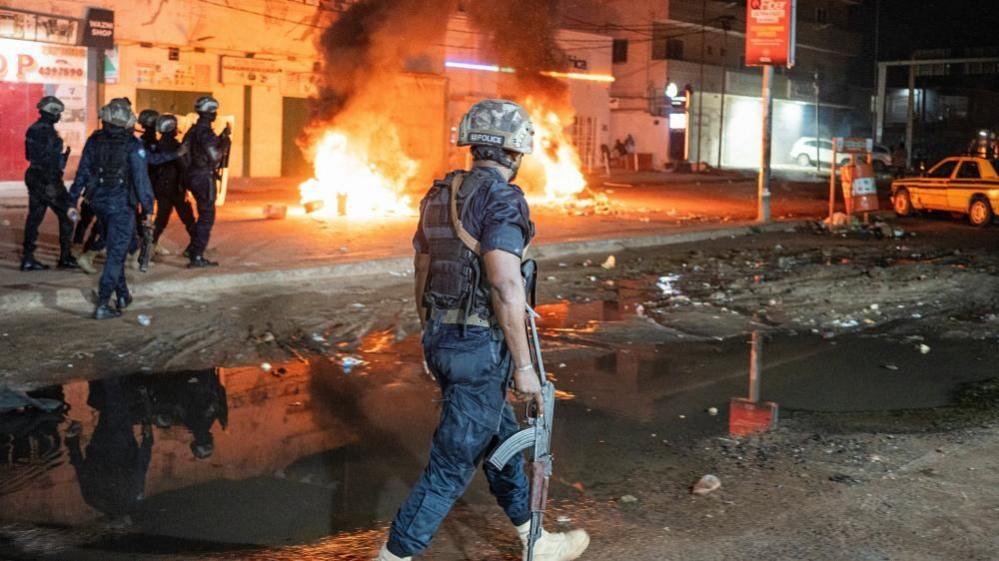
Armed confrontations, road closures, targeted attacks, and kidnappings have become increasingly frequent across parts of the region.
The insecurity has disrupted transportation, education, healthcare delivery, agricultural activities, and commercial trade, placing additional pressure on communities already recovering from years of conflict.
Humanitarian Consequences Continue to Grow
Religious institutions have historically played a vital role in providing humanitarian assistance, education, healthcare, and mediation during periods of instability across Ethiopia.
However, increasing insecurity is now limiting the ability of churches and humanitarian organisations to reach vulnerable populations.
Aid workers warn that restricted movement affects food distribution, psychosocial support, emergency relief, and protection services for internally displaced people.
Communities living in remote areas face growing isolation as humanitarian access becomes more difficult due to security concerns.
Analysts caution that prolonged insecurity could further weaken already strained public services and deepen humanitarian needs throughout the region.
Religious Institutions Under Pressure
Church leaders have called for greater protection of civilians and faith-based organisations, emphasising that places of worship should remain safe spaces regardless of political or military tensions.
They argue that attacks, kidnappings, and intimidation targeting clergy or humanitarian workers undermine not only religious freedom but also community resilience.
Faith organisations across Ethiopia continue to advocate for peaceful dialogue, reconciliation, and respect for international humanitarian principles as the conflict persists.
The Need for Lasting Security Solutions
Security experts note that addressing kidnappings requires more than increased military operations.
Long-term stability will depend on strengthening local policing, improving intelligence sharing, restoring trust between communities and security institutions, and creating conditions for meaningful political dialogue.
Protecting humanitarian corridors and guaranteeing safe movement for medical workers, educators, and religious leaders will also be critical to restoring normal life.
For many residents of the Amhara Region, the ability to attend worship freely or receive pastoral care has become another casualty of a broader security crisis.
Looking Ahead
While church leaders continue adapting their ministries to changing security realities, they remain committed to serving affected communities despite mounting risks.
The situation in Amhara serves as another reminder that Ethiopia’s security challenges extend far beyond the battlefield. Until sustainable peace is achieved, essential institutions, including churches, schools, and healthcare providers will continue to operate under extraordinary pressure, with ordinary citizens bearing the greatest burden of prolonged instability.