ViewPoints Africa Editorial Team
 The Democratic Republic of the Congo (DRC) is currently navigating a precarious intersection of political volatility and a public health emergency of unprecedented scale. In late July 2026, a significant “stand-down” occurred in Kinshasa as the main opposition coalition, C64, suspended nationwide protests following President Félix Tshisekedi’s announcement of an imminent “inclusive national political dialogue”. This strategic pause comes at a critical time; while the nation grapples with a constitutional standoff regarding Tshisekedi’s alleged third-term ambitions, it is also battling the largest Ebola outbreak in its history, caused by the Bundibugyo strain. The proposed dialogue, facilitated by the country’s influential religious institutions, is framed with a “dual focus”: to mend a fractured political landscape and to secure the humanitarian corridors necessary for containing the virus.
The Political Stand-Off: Constitutional Strains and the C64 Coalition
The political landscape in the DRC has been dominated by the emergence of the C64 platform, an opposition coalition named after Article 64 of the Congolese Constitution, which mandates citizens to resist any unconstitutional seizure of power. The coalition, which includes prominent figures like Martin Fayulu and Moïse Katumbi, has accused President Tshisekedi of orchestrating a “constitutional coup” through a proposed referendum that could potentially remove the two-term limit, allowing him to seek a third term in 2028.
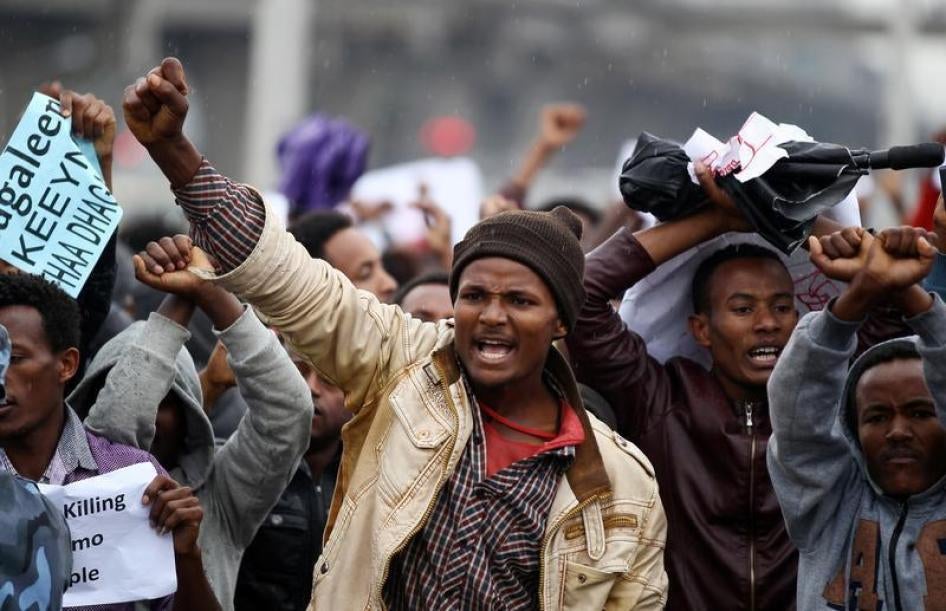
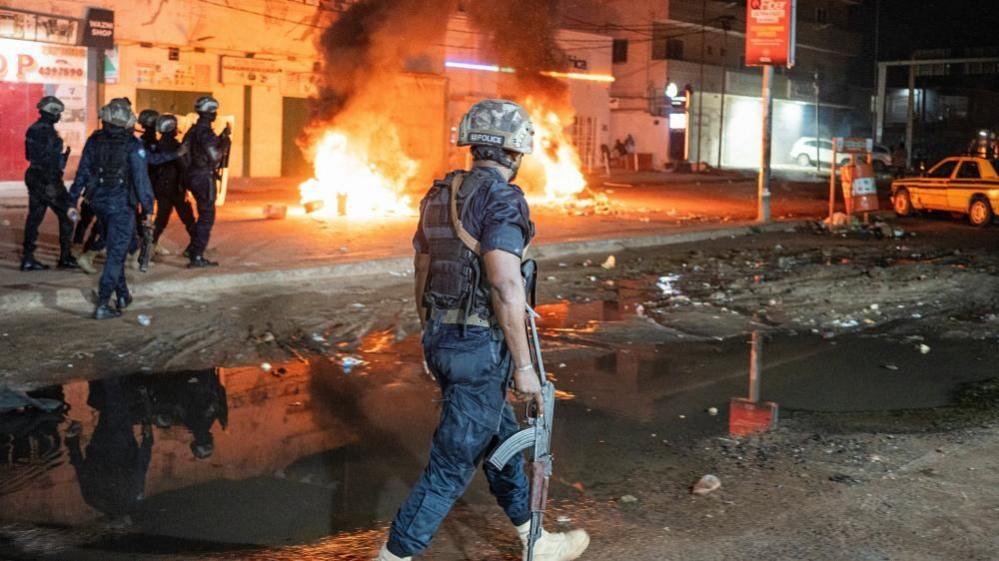
Tensions reached a boiling point in mid-2026, with violent clashes in Kinshasa during May and June leading to several casualties and widespread arrests. The C64 had called for a “major mobilization” on July 22 to demand the President’s resignation and the defense of the constitution. However, the announcement of a national dialogue has provided a temporary reprieve. Key elements of this political standoff include:
| Feature | Description |
|---|---|
| C64 Platform | A coalition of opposition parties and civil society groups defending the 2006 Constitution. |
| Constitutional Trigger | A referendum bill passed in June 2026, seen by critics as a tool for term-limit removal. |
| Mediation Role | The Catholic and Protestant churches (CENCO and ECC) are serving as primary facilitators. |
| August 15 Deadline | The date by which the C64 demands the dialogue must be officially convened. |
While the suspension of protests indicates a willingness to negotiate, the opposition remains wary. The C64 has warned that any “provocation,” such as the enactment of the referendum bill before the dialogue begins, would immediately trigger a resumption of street demonstrations. The dialogue’s success hinges on whether it can address these deep-seated fears of institutional overreach while the nation is simultaneously under siege by a biological threat.
The Humanitarian Crisis: The 2026 Bundibugyo Ebola Outbreak
Parallel to the political crisis, the DRC is facing its 17th and most severe Ebola outbreak. Declared in May 2026, the epidemic involves the Bundibugyo strain, for which no approved vaccine or specific treatment currently exists. As of July 30, 2026, the World Health Organization (WHO) reported 3,605 confirmed cases and 1,587 deaths, resulting in a staggering case fatality ratio of 44%.
The outbreak’s epicenter in Ituri Province has expanded rapidly, now affecting five provinces and 49 health zones. The complexity of the response is compounded by the DRC’s chronic insecurity, particularly in the eastern provinces where armed groups like the M23 and the Congo River Alliance (AFC) control significant territory. The intersection of health and security is evident in several areas:
- Population Displacement: High mobility and overcrowded camps for internally displaced persons (IDPs) have accelerated the transmission of the virus.
- Response Obstacles: Attacks on health facilities and insecurity have restricted the access of WHO and Africa CDC teams, leading to undetected transmission chains.
- Regional Risk: While Uganda successfully contained its own Bundibugyo outbreak in July 2026, the WHO maintains a “very high” risk assessment for the DRC due to sustained cross-border movements.
The scale of this outbreak has surpassed the 2018–2020 Kivu Ebola epidemic, making it a regional emergency that requires coordinated military and medical intervention. The involvement of SADC security forces is now seen as essential to securing “humanitarian corridors” for aid delivery and contact tracing in conflict-affected zones.
The “Dual Focus”: Dialogue as a Tool for Stability and Health
President Tshisekedi’s announcement of an inclusive national political dialogue, facilitated by influential religious institutions, is a strategic move aimed at addressing the DRC’s dual crises: political fragmentation and the devastating Ebola outbreak. The “dual focus” of this dialogue is to calm the escalating political tensions while simultaneously enabling a more effective response to the public health emergency.
Political De-escalation: The primary political objective of the dialogue is to bridge the deep chasm between the ruling party and the opposition, particularly the C64 coalition. By offering a platform for negotiation and compromise, Tshisekedi aims to diffuse the constitutional standoff surrounding his alleged third-term ambitions and prevent further street protests that could destabilize the nation. The involvement of respected religious leaders from CENCO and ECC as facilitators lends credibility to the process, offering a neutral ground for discussions. The success of this political de-escalation is crucial for creating an environment conducive to governance and stability.
Securing Humanitarian Corridors for Ebola Containment: The humanitarian aspect of the dialogue is equally, if not more, urgent. The ongoing Bundibugyo Ebola outbreak, exacerbated by insecurity in the eastern provinces, has made it incredibly difficult for health workers to reach affected communities and conduct essential contact tracing and vaccination efforts. The dialogue seeks to establish and secure “humanitarian corridors” that would allow WHO and Africa CDC teams, along with SADC security forces, safe passage into conflict-affected zones.
This coordination is vital for:
- Unimpeded Aid Delivery: Ensuring that medical supplies, food, and other humanitarian assistance can reach vulnerable populations without hindrance.
- Effective Disease Surveillance: Allowing health workers to identify and isolate cases, track contacts, and implement vaccination campaigns in areas previously inaccessible due to conflict.
- Community Engagement: Building trust with local communities, which is essential for overcoming resistance to public health interventions and ensuring the success of containment efforts.
The intertwined nature of these crises means that progress on one front directly impacts the other. A successful political dialogue could pave the way for greater security, which in turn would enable a more robust and effective public health response. Conversely, continued political instability risks further exacerbating the Ebola crisis, potentially leading to a regional catastrophe.
Forward-Looking Perspective
The Democratic Republic of Congo stands at a critical juncture, where the intertwined challenges of political instability and public health demand a multi-faceted and sustained approach. The national dialogue, while a positive step, must translate into concrete actions that address the root causes of fragmentation and vulnerability.
- Deepening Political Reforms and Inclusivity:
- Genuine Dialogue and Compromise: The success of the national dialogue hinges on the willingness of all parties—the government, opposition, and civil society to engage in genuine compromise. This includes transparent discussions on constitutional reforms, electoral processes, and power-sharing arrangements to build trust and prevent future political crises.
- Strengthening Democratic Institutions: Beyond immediate political settlements, there is a critical need to reinforce democratic institutions, including an independent judiciary, a robust parliament, and a free press. This will ensure accountability and provide legitimate avenues for political expression and dissent.
- Addressing Governance Deficits: Tackling corruption, promoting good governance, and ensuring equitable distribution of resources are essential to address the grievances that fuel political unrest and empower opposition movements.
- Bolstering Public Health Infrastructure and Preparedness:
- Sustained Investment in Health Systems: The Ebola outbreak underscores the urgent need for long-term investment in the DRC’s public health infrastructure, including hospitals, clinics, and trained healthcare professionals. This will enhance the country’s capacity to prevent, detect, and respond to future epidemics.
- Community Engagement and Trust-Building: Effective public health responses require strong community trust. This involves transparent communication, culturally sensitive interventions, and empowering local communities to take ownership of health initiatives, particularly in conflict-affected areas.
- Research and Development: Given the challenges posed by strains like Bundibugyo, continued international support for research and development of vaccines and treatments is crucial. This includes strengthening local research capacities within the DRC.
- Enhancing Security and Humanitarian Access:
- Protecting Civilians and Aid Workers: The government, with support from regional forces like SADC, must prioritize the protection of civilians and ensure safe and unhindered access for humanitarian organizations. This includes actively combating armed groups and establishing secure humanitarian corridors.
- Disarmament, Demobilization, and Reintegration (DDR): Sustainable peace requires effective DDR programs for former combatants, coupled with efforts to address the underlying causes of armed conflict, such as land disputes and resource exploitation.
- International Cooperation and Support:
- Coordinated International Response: The DRC’s challenges are complex and require a coordinated international response that integrates political, security, humanitarian, and development assistance. This includes consistent diplomatic engagement and financial support from partners like the UN, AU, and regional bodies.
- Addressing Regional Dimensions: Given the cross-border nature of both political instability and disease outbreaks, regional cooperation with neighboring countries is paramount. This includes intelligence sharing, joint security operations, and harmonized public health protocols.
The path forward for the DRC is undoubtedly challenging, but the willingness of political actors to engage in dialogue, coupled with concerted national and international efforts, offers a glimmer of hope for a future defined by peace, stability, and improved well-being for its citizens.
Conclusion
The Democratic Republic of Congo’s current trajectory is a testament to the profound challenges faced by nations grappling with both internal political fragmentation and external public health threats. The decision by the C64 opposition to suspend protests in favor of a national dialogue, while fragile, offers a crucial window of opportunity. This dialogue, if genuinely inclusive and focused on substantive reforms, could lay the groundwork for a more stable political environment, which is indispensable for effectively combating the Bundibugyo Ebola outbreak.
The dual crises in the DRC underscore a fundamental truth: peace, security, and public health are inextricably linked. Without political stability, humanitarian access remains perilous, and disease containment efforts are severely hampered. Conversely, a successful response to the Ebola epidemic can foster trust in governance and demonstrate the tangible benefits of cooperation. The international community, through organizations like the WHO, Africa CDC, and SADC, plays a vital role in supporting these efforts, but ultimately, the onus lies on Congolese leaders to prioritize the well-being of their citizens over political expediency. The path ahead is fraught with obstacles, but the potential for a more resilient and healthy DRC hinges on the collective will to transform this moment of crisis into an opportunity for lasting peace and recovery.