oluwatosin oyeniyi
 The formal withdrawal of Burkina Faso, Mali, and Niger from the International Criminal Court marks another defining moment in the political realignment of the Sahel. While the three military-led governments describe the move as a defense of sovereignty, critics warn it could weaken international accountability for war crimes and crimes against humanity.
The Immediate Development
Burkina Faso, Mali, and Niger have officially initiated the legal process to withdraw from the International Criminal Court (ICC). This follows the recent submission of formal notifications under the Rome Statute to the United Nations Secretary-General. Consequently, the ICC confirmed that the three countries have begun the mandatory one-year withdrawal process. After this period expires, their exit from the court will become legally effective unless it is reversed.
Significantly, the decision represents the latest coordinated action by the three military-led governments under the Alliance of Sahel States (AES). Over the last few years, this confederation has increasingly distanced itself from Western-backed regional and international institutions.
Although the official Burkina Faso, Mali, Niger ICC exit process has started, the court emphasized that previous legal commitments still apply. Specifically, obligations arising before the withdrawal becomes effective—including full cooperation with ongoing investigations and judicial proceedings—remain legally binding throughout the entire transition period.
Why Are They Leaving the ICC?
The three governments first announced their intention to leave the ICC in September 2025. At the time, they argued that the court had evolved into what they described as “a tool of neocolonial repression.” According to AES leaders, the international tribunal disproportionately targets African states while systematically failing to hold more powerful global nations accountable.
According to the AES leadership, the withdrawal forms part of a broader, long-term strategy to strengthen national sovereignty. It also aims to establish completely African-led mechanisms for domestic justice and security. Furthermore, the military administrations have repeatedly argued that domestic and regional institutions should take primary responsibility for prosecuting serious international crimes, rather than relying on external judicial bodies.
Ultimately, this decision follows a series of broader geopolitical shifts across the region. These milestones include the countries’ high-profile withdrawal from the Economic Community of West African States (ECOWAS). They also include the strengthening of the Alliance of Sahel States and closer military cooperation with Russia following the departure of French forces from much of the Sahel.
Why This Matters Beyond the Sahel
The legal withdrawal has severe implications that stretch far beyond the borders of the three countries themselves. For more than two decades, the ICC has served as the world’s permanent court responsible for prosecuting individuals accused of genocide, crimes against humanity, and war crimes. It typically steps in when national judicial systems are completely unable or unwilling to act.
For instance, Mali has remained under an active ICC investigation since 2013 over alleged atrocities committed during the country’s prolonged internal conflict. While Burkina Faso and Niger are not currently under public ICC investigations, all three nations continue to face significant security challenges linked to jihadist insurgencies and armed violence.
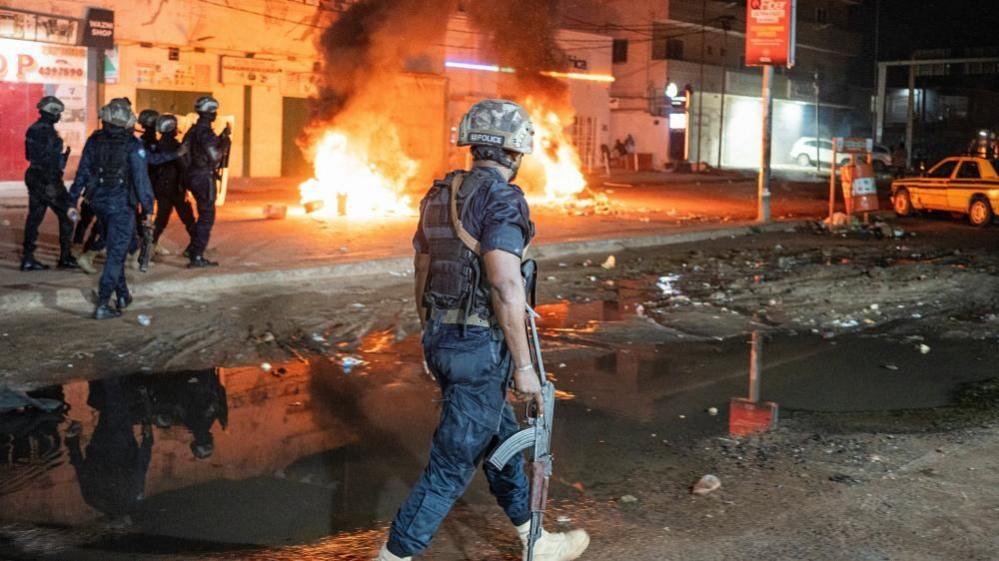
Furthermore, the withdrawals arrive at a time when concerns over civilian protection continue to grow across the wider Sahel. Within the region, both violent armed groups and state security forces have faced serious allegations of violating international humanitarian law.
Concerns Over Accountability
Unsurprisingly, international human rights organizations have reacted strongly to the announcement. Several prominent advocacy groups argue that leaving the ICC risks severely reducing access to justice for victims of war crimes. This is especially true where domestic judicial systems face institutional weaknesses or operate directly under military governments.
In a recent public statement, the ICC itself warned that the withdrawals could weaken global efforts to combat impunity. As a result, the body urged the three governments to remain committed to international justice mechanisms.
On the other hand, supporters of the withdrawals argue that African countries should not depend exclusively on international courts. Instead, they believe the continent needs to develop stronger, self-reliant regional justice institutions capable of addressing conflict-related crimes internally.
What Happens Next?
Under Article 127 of the Rome Statute, the withdrawals will only take legal effect exactly one year after the formal notifications are processed. During this interim period, Burkina Faso, Mali, and Niger remain full States Parties to the treaty. Therefore, international monitors expect them to continue cooperating with existing ICC obligations.
Concurrently, the move is expected to intensify ongoing debates across Africa over the future of international justice. It forces a tough conversation regarding state sovereignty versus the role of global institutions in addressing armed conflicts on the continent. Whether other African governments choose to follow the Sahel alliance’s example could significantly reshape Africa’s relationship with global legal systems in the years ahead.
Conclusion
The decision by Burkina Faso, Mali, and Niger to begin withdrawing from the ICC represents more than a simple legal procedure. Instead, it reflects a broader, profound geopolitical transformation underway across the Sahel.
As military-led governments seek greater autonomy from Western institutions, the debate increasingly pits national sovereignty against international accountability. For Africa, the challenge now extends beyond the ICC itself. It raises a larger question about how the continent can successfully build credible, independent justice systems that protect sovereignty while ensuring victims of serious crimes maintain access to true justice.
To watch an analytical breakdown of this development, check out the report on the Burkina Faso, Mali, and Niger ICC Exit Process. This broadcast features independent political analysts unpacking the immediate legal and regional ramifications of the Sahel alliance’s official notifications to the United Nations.