oluwatosin oyeniyi
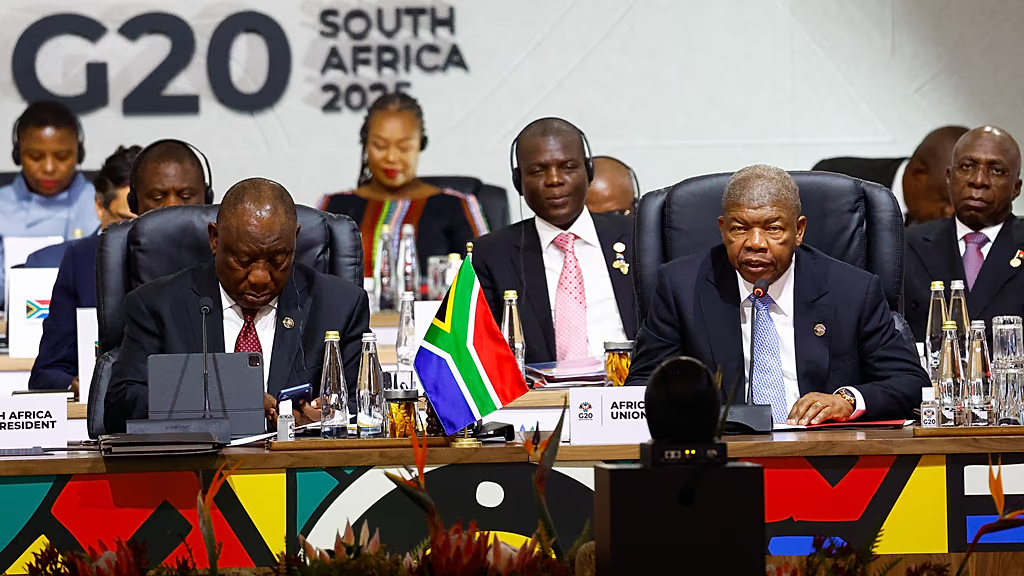
 Public sector leaders from across the African Union have ratified the historic 2026 KwaZulu-Natal Declaration. This landmark policy document signals a radical shift in how the continent approaches its most pressing crisis: the persistent failure of water and sanitation infrastructure.
A Decisive Shift in Public Service Policy
As delegates gathered in Durban, KwaZulu-Natal, for the 2026 Africa Public Service Day, the atmosphere felt remarkably different. Instead of traditional political rhetoric or vague developmental promises, the summit focused heavily on real institutional accountability.
Ultimately, this collaborative gathering produced a new, comprehensive Africa water security blueprint. This updated strategy directly redefines how municipalities across African Union (AU) member states manage precious municipal utility assets.
For too long, the narrative of African development has been dominated by a single pattern. Governments routinely prioritized building high-profile infrastructure projects, often at the direct expense of existing systems. Over time, these legacy networks quietly fell into complete disrepair.
The KwaZulu-Natal Declaration effectively ends this counterproductive era. Specifically, it mandates that member states prioritize the maintenance of aging pipelines over the rapid expansion of new, unproven distribution networks.
Tackling Non-Revenue Water Losses
To ensure long-term sustainability, the new policy framework directs municipal budgets toward a major structural challenge: non-revenue water. This industry term refers to the massive volume of clean water that is lost before it ever reaches the consumer due to:
- Undetected underground pipeline leaks
- Unauthorized or illegal utility connections
- Inaccurate or completely broken billing meters
- Weak municipal revenue collection systems
By aggressively repairing these vulnerabilities, the declaration aims to reclaim billions of dollars in lost resources. Consequently, municipal governments can use these saved funds to stabilize volatile municipal supply chains without constantly requesting external emergency funding.
Professionalizing Local Municipal Management
However, technical interventions are only half the battle. Policymakers openly acknowledge that engineering solutions will fail without a bedrock of capable public institutions. Therefore, a central pillar of the newly signed declaration is the mandatory professionalization of local municipal engineering teams.
Historically, systemic utility neglect has stemmed from a severe lack of local technical expertise and ethical management. To reverse this trend, AU delegates formally committed to implementing competency-based recruitment practices.
They also pledged to launch rigorous, ongoing professional development programs. The ultimate goal is to completely eliminate political patronage appointments. Instead, the blueprint builds a merit-based service model where certified municipal engineers are fully empowered, properly trained, and strictly held accountable for the entire lifecycle of the infrastructure they oversee.
Restoring Public Trust and Human Dignity
Beyond the obvious technical and operational requirements, the declaration explicitly frames water access as a core issue of human rights and public trust. Deputy Minister Pinky Kekana’s opening remarks during the summit captured this sentiment poignantly. She reminded attendees that ordinary citizens experience the success of the state most acutely when they open a tap and reliable, clean water flows freely.
This human-centric approach aims to restore civic confidence in local public services, which has been severely eroded by years of mismanagement and infrastructure failure.
Furthermore, the declaration calls for total transparency in public finance. It identifies the ongoing drain of illicit financial flows as a massive barrier to sustainable utility funding. By advocating for domestic resource mobilization anchored in fair and progressive tax systems, the document provides a clear roadmap. It empowers individual nations to fund their own water security, significantly reducing their historical reliance on volatile international loans.
Looking Ahead
As the historic summit concluded, the consensus among policymakers, civil society actors, and development experts remained clear. The 2026 KwaZulu-Natal Declaration is not merely a symbolic statement of intent. Instead, it serves as a binding commitment to a more climate-resilient future.
If implemented effectively across the continent, this strategic pivot toward maintenance, merit-based hiring, and financial integrity could dramatically transform the daily quality of life for millions of people. It proves that the true path to universal water access relies on the ethics, skill, and accountability of the public servants entrusted to protect it.
To watch a panel of public administration experts unpack the broader governance reforms discussed at the summit, review the [Africa Public Service Day 2026 Webinar](https://www.youtube.com/watch?v=u3Aqxaf3drM). This analytical broadcast features detailed policy breakdowns regarding state capability, structural accountability, and democratic service delivery across the continent.