oluwatosin oyeniyi
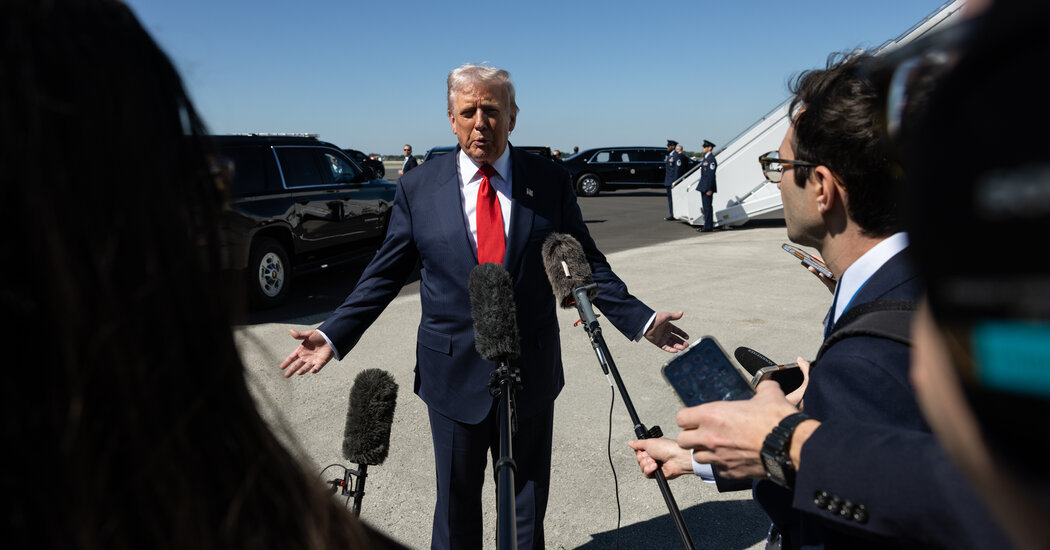
TRIPOLI, Libya — Libya’s internationally recognised Government of National Unity has summoned the United States chargé d’affaires to protest remarks by President Donald Trump describing the North African country as “terror-infested”, escalating diplomatic tensions over comments made during a political rally in the United States.
The Libyan Foreign Ministry summoned the US diplomat on Sunday, October 25, describing Trump’s remarks as offensive and saying they undermined the dignity of the Libyan people. The ministry also rejected what it called attempts to draw Libya and its citizens into American electoral disputes and domestic political calculations.
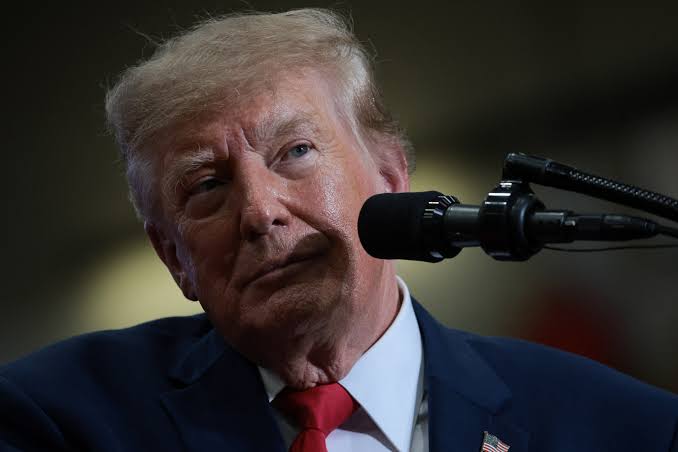
The diplomatic protest followed a rally in Perry, Georgia, on Saturday, where Trump criticised Democratic Senator Jon Ossoff over immigration policy and grouped Libya with Yemen, Haiti and Somalia as countries he described as “terror-infested”.
The comments have drawn condemnation from political authorities in both western and eastern Libya, highlighting how remarks made during a US domestic political debate can trigger diplomatic repercussions abroad.
Libya demands respect and clarification
In its response, Libya’s Foreign Ministry said the country rejected statements that diminished the standing of its people or used the nation as a subject of domestic political disputes.
The ministry’s protest reflects a broader diplomatic concern: governments may object when their countries are characterised in ways they consider derogatory, particularly when the comments are made by a head of state.
Libya remains politically divided between rival administrations in the west and east. Despite their competing claims to authority, both sides criticised Trump’s remarks, rejecting the portrayal of Libya and its people in the context of American electoral politics.
The House of Representatives’ Foreign Affairs and International Cooperation Committee also called for clarification from the US administration, describing the remarks as unacceptable and inconsistent with the mutual respect expected in relations between sovereign states.
The dispute comes as Libya continues to navigate political instability, institutional divisions and security challenges more than a decade after the 2011 uprising that toppled Muammar Gaddafi.
Trump later seeks to reaffirm ties
Following the backlash, Trump posted a message on Truth Social on Sunday evening saying the United States remained committed to its relationship with Libya.
He described Libyans as “proud, resilient, hospitable, and deserving of peace and prosperity” and acknowledged their sacrifices in fighting Islamic State militants.
However, he also maintained that Libya could not remain a corridor for irregular migration into the United States, signalling that immigration concerns remained central to his position.
The later message offered a more conciliatory description of the Libyan people, but it did not erase the earlier remarks that prompted the diplomatic protest.
Reuters’ initial report did not include a response from the US chargé d’affaires to the summons. The subsequent public statement from Trump did not, by itself, establish whether Washington had formally responded to Libya’s diplomatic demands.
Immigration rhetoric and diplomatic consequences
Trump’s comments were made while criticising Senator Ossoff over immigration policy. He claimed the senator had sponsored legislation connected to migrants from several countries, including Libya.
The remarks drew attention to the intersection between US domestic political messaging and international relations. References to other countries during campaign-style rallies can become diplomatic issues when governments believe their citizens or national standing have been disparaged.
For Libya, the objection is not limited to the description of the country as a security threat. Its authorities have also rejected the use of Libya’s name in what they regard as an American domestic political dispute.
The episode illustrates the difficulty of separating immigration debates from relations with countries whose citizens are discussed in political rhetoric. It also places pressure on diplomatic officials to manage disagreements without allowing them to undermine broader cooperation.
A test for US-Libya relations
The summons does not necessarily signal a wider breakdown in relations between Washington and Tripoli. Both governments have interests in security cooperation and regional stability, including efforts to counter militant groups and address irregular migration.
Nevertheless, the exchange highlights the importance of diplomatic communication when political statements generate international criticism.
For Libya’s divided political authorities, a united public response to the remarks has provided an opportunity to emphasise national sovereignty despite their internal differences. For Washington, the issue presents a diplomatic challenge as it seeks to maintain engagement with Libya while pursuing its immigration priorities.
The next step will be whether the US administration provides the clarification sought by Libyan officials and whether the two sides can prevent the dispute from affecting cooperation in other areas.
For now, Libya has formally registered its objection, and Trump has subsequently issued a statement praising the Libyan people while reiterating his concerns about irregular migration. Whether that exchange resolves the dispute remains to be seen.