oluwatosin oyeniyi
 TUNIS, Tunisia — Five years after President Kais Saied suspended parliament and dismissed the government, Tunisia is once again confronting the political and economic grievances that helped drive the country’s 2011 revolution.
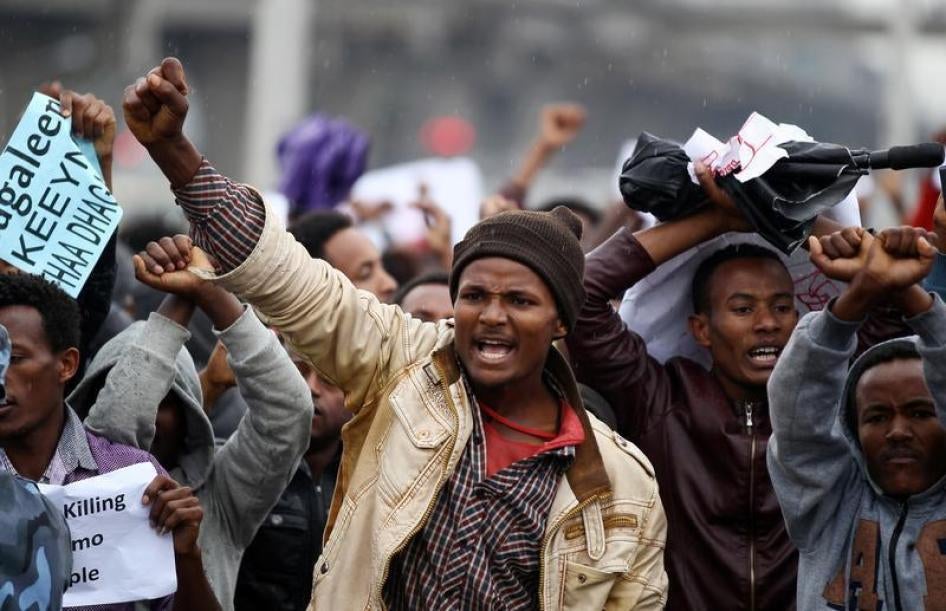
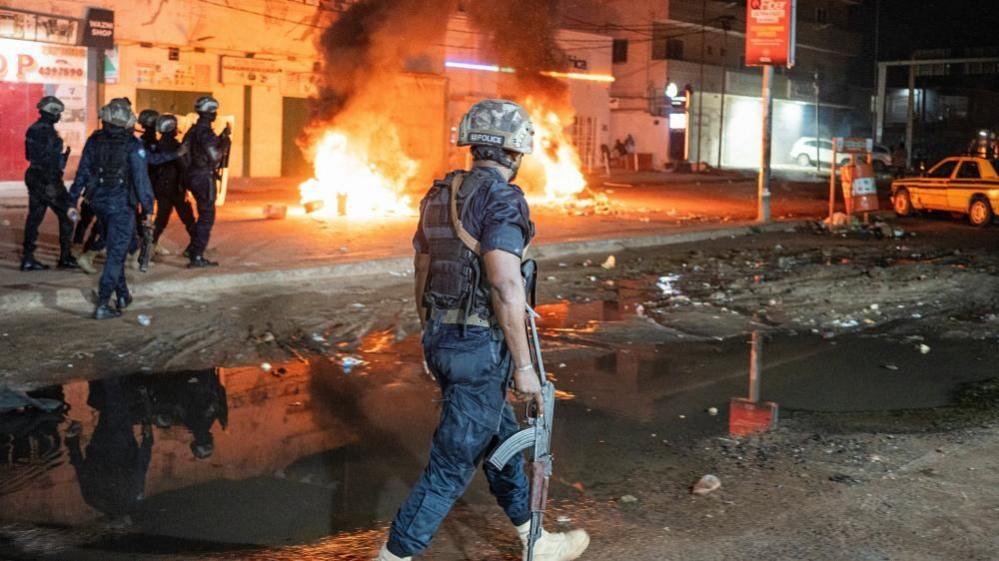
The latest tensions are being fuelled by worsening public services, economic pressure and growing criticism of restrictions on political opposition and civil society. In July and August, protesters returned to the streets of Tunis, reviving the demands of the revolution: “employment, freedom and national dignity.”
The protests come as Tunisia marks five years since July 25, 2021, when Saied suspended the elected parliament, dismissed Prime Minister Hichem Mechichi and began ruling with greatly expanded executive powers.
Saied argued that the measures were necessary to end political paralysis, corruption and years of ineffective government. His opponents described the move as a power grab that dismantled Tunisia’s democratic system.
Five years later, the country remains deeply divided over whether Saied’s political model has delivered the stability and economic improvement he promised.
From democratic transition to presidential rule
Tunisia became the centre of the Arab Spring in 2011 when mass protests forced longtime President Zine El Abidine Ben Ali from power.
The country subsequently built a competitive political system, adopted a new constitution and held elections that allowed political parties and civil society organisations to play a significant role.
But the democratic transition was accompanied by persistent economic problems.
Unemployment, particularly among young people, remained high. Public services struggled, prices increased and political parties were frequently locked in disputes.
Those frustrations created an opening for Saied, a political outsider who campaigned on promises to clean up government and return power to ordinary Tunisians.
After taking power in 2019, he argued that Tunisia’s political system had failed citizens.
On July 25, 2021, he suspended parliament and dismissed the prime minister. He later dissolved parliament and introduced a new constitution in 2022 that significantly strengthened the presidency.
Political space has narrowed
The political transformation has come with increasing restrictions on dissent.
Opposition politicians, activists, journalists and lawyers have faced arrests and prosecutions. Rights organisations have criticised several high-profile cases as politically motivated, while Tunisian authorities maintain that those prosecuted are accused of serious offences against state security and other crimes.
One of the most prominent cases involved dozens of opposition figures and activists accused of conspiring against state security.
In 2025, courts handed down lengthy prison sentences to defendants in the case. Human Rights Watch and other rights groups criticised the proceedings and raised concerns about due process. The government has rejected claims that the prosecutions are politically motivated.
The result is a political environment in which opposition groups have fewer opportunities to challenge the government through traditional institutions.
That matters because the strength of a political system is measured not only by the power of the government, but also by the ability of citizens to question it without fear.
Economic frustration is returning to the streets
The political tensions are unfolding alongside growing economic and public-service problems.
During the summer, Tunisia experienced severe water and electricity shortages as the country faced extreme heat. The disruption affected households across different parts of the country and contributed to renewed public anger.
For many Tunisians, however, the frustration goes deeper than temporary shortages.
Unemployment, rising living costs, weak investment and concerns about the future continue to affect households, particularly younger people.
The country’s economic difficulties did not begin with Saied. Tunisia had struggled with structural economic problems for years before 2021.
But Saied came to power promising that stronger and more decisive government would address those failures.
That makes the persistence of the problems politically significant.
Critics argue that the concentration of power has not produced the economic transformation promised by the president. Analysts have also pointed to weak investment and limited progress on structural reforms.
Why the protests matter
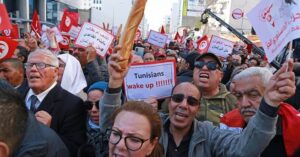 The latest demonstrations do not necessarily represent a repeat of the 2011 revolution.
Many Tunisians remain frustrated with the political parties that governed during the decade after Ben Ali, while Saied still has supporters who believe his intervention was necessary to end years of political deadlock.
But the protests reveal an important shift.
Economic and political grievances are increasingly merging.
People protesting water shortages or rising prices are also demanding greater political freedoms. Opposition groups are using the same demonstrations to call for the release of imprisoned political figures and the restoration of stronger institutional checks on the presidency.
This creates a difficult challenge for Saied.
If economic conditions continue to deteriorate while avenues for political expression remain restricted, public frustration could become harder for the government to contain.
The wider African lesson
Tunisia’s experience offers a broader lesson for African countries facing pressure to concentrate political power in the executive.
Strong leadership can sometimes produce faster decision-making. But when parliaments, courts, electoral institutions, media organisations and civil society lose their ability to provide oversight, there are fewer mechanisms for correcting government failures.
Tunisia’s current situation demonstrates the danger of treating political stability and institutional strength as the same thing.
A government can be politically dominant while its institutions remain fragile.
The country therefore needs to address both sides of the crisis.
What Tunisia can do
Restore institutional checks and balances. Parliament and the judiciary need sufficient independence to scrutinise executive decisions.
Protect freedom of expression. Journalists, lawyers, activists and opposition figures should be able to criticise government policy without facing politically motivated prosecution.
Address economic grievances. Investment, employment and public-service delivery must become central priorities, particularly for young people and communities outside the capital.
Improve essential services. The recent water and electricity disruptions show the need for long-term investment in infrastructure and better management of scarce resources.
Create space for political dialogue. Government and opposition groups need mechanisms for resolving disputes without relying primarily on arrests or street protests.
Five years on, the central question remains
Saied’s rise was partly a response to public frustration with Tunisia’s post-2011 political system.
Five years later, many of the same frustrations remain.
The difference is that the political system has changed dramatically.
The president now holds far greater power, while opposition parties and civil society operate in a much narrower space.
That creates a difficult question for Tunisia: if stronger presidential authority was intended to deliver better government, what happens when citizens continue to face economic hardship and failing public services?
The answer will shape the next phase of Tunisia’s political history.
The country does not need to return to the dysfunction of its past. But neither can lasting stability be built by removing avenues for citizens to challenge those in power.
Tunisia’s next challenge is therefore not simply choosing between the old political system and Saied’s model.
It is building institutions strong enough to deliver economic opportunity, reliable public services, political accountability and basic freedoms at the same time.
Five years after the power grab, the renewed protests suggest that the demand for those things has not disappeared.