oluwatosin oyeniyi
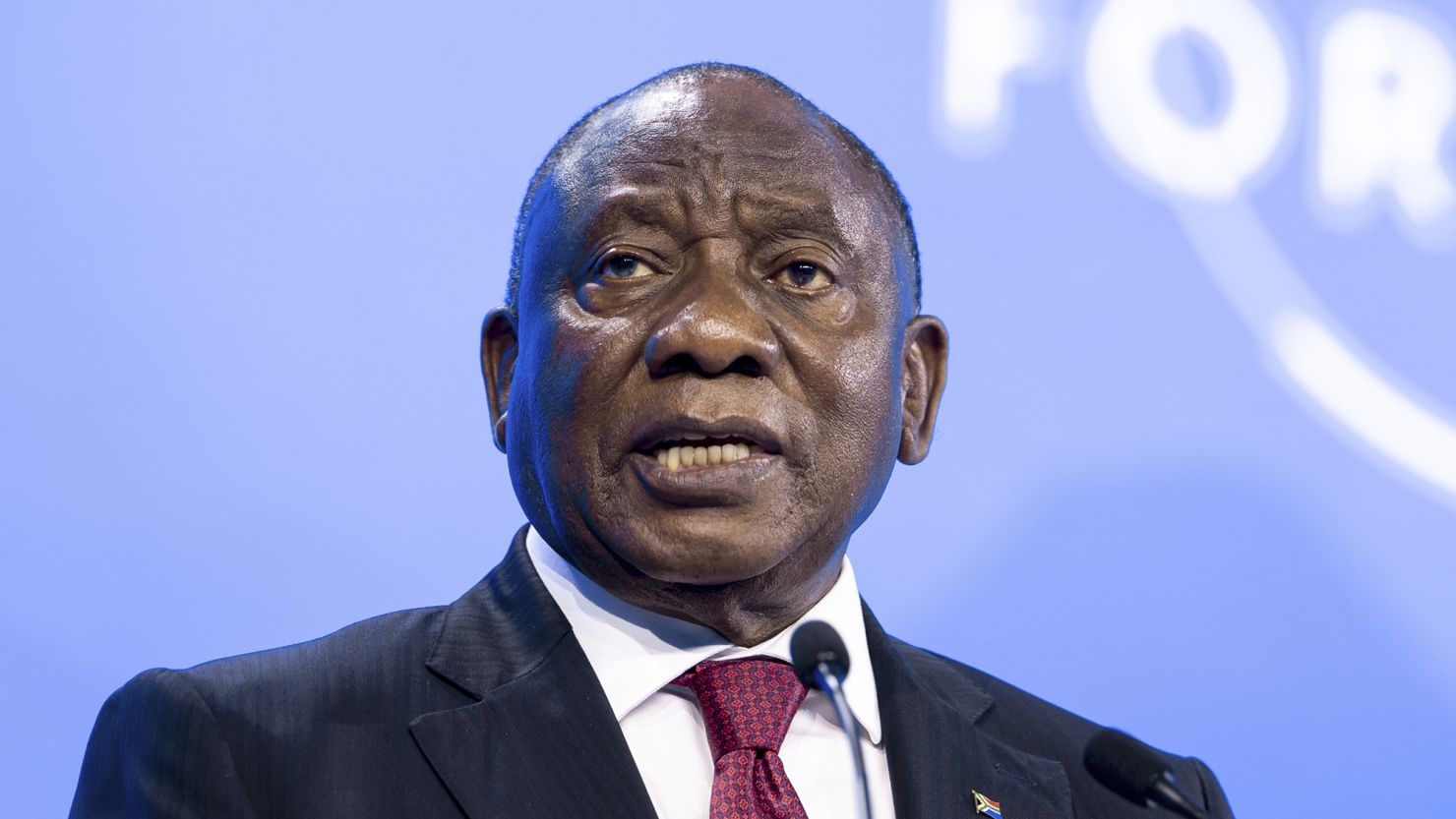
 DODOMA, Tanzania — Tanzania’s Vice President Emmanuel John Nchimbi has resigned from office and announced his retirement from public service and active politics, less than a year after becoming the country’s second-highest-ranking political office holder.
Nchimbi announced his decision on Tuesday, August 25, saying he had written to President Samia Suluhu Hassan to inform her that he would step down.
His resignation will take effect on September 4, 2026. President Hassan has accepted the resignation and will now begin the constitutional process for appointing a new vice president.
The departure is drawing attention because of the circumstances described by Nchimbi himself.
He said he had promised Hassan in August 2025 that he would step aside if she ever wanted a different vice president. He now says he is convinced that the president wants a change.
“I have become convinced, without doubt, that Her Excellency the President wants change,” Nchimbi said, according to his public statement.
Neither Nchimbi nor the presidency has publicly described the specific disagreement that led to his departure.
That uncertainty has intensified questions about the relationship between Tanzania’s president and her deputy, particularly at a time when the country is facing renewed criticism over political rights, the handling of last year’s election unrest and restrictions on the media.
A vice president leaves after 295 days
Nchimbi was sworn in as vice president on November 3, 2025, after serving as Hassan’s running mate in the October 29 general election.
He spent just 295 days in office before announcing his resignation. Before becoming vice president, Nchimbi served as secretary-general of the ruling Chama Cha Mapinduzi (CCM) party and held several senior government positions.
His decision to retire from politics makes the development more significant than a normal change in government personnel.
Nchimbi is not simply leaving the vice presidency. He says he is leaving public service and active politics altogether.
He thanked Hassan, the CCM and Tanzanians for the opportunity to serve and said he would remain a patriotic citizen after leaving politics.
The presidency has not accused him of wrongdoing, and there is no public evidence that his resignation was linked to criminal allegations.
Instead, the political question is whether the departure reflects a private decision between two senior leaders or a deeper disagreement within Tanzania’s ruling establishment.
The MwanaHALISI controversy adds another layer
The timing of Nchimbi’s resignation is particularly striking because it follows a dispute involving MwanaHALISI, a Tanzanian newspaper known for critical reporting.
On August 19, authorities suspended the newspaper’s publishing licence for six months after it reported that Nchimbi had resisted pressure to resign.
The Information Services Department said the newspaper had breached professional standards on accuracy, balance and verification.
Officials also pointed to an incorrect photograph and caption in the report and said the newspaper had failed to demonstrate that it had contacted Nchimbi or other relevant officials before publishing its claims. The suspension applies to both the newspaper’s print and electronic editions.
MwanaHALISI has the right to appeal the decision.
The government says the suspension was based on journalism standards, rather than political considerations.
But the episode has nevertheless raised concerns among media organisations and press freedom advocates.
The Tanzania Editors Forum, for example, criticised the use of a licence suspension and argued that the authority responsible for licensing should not also effectively act as complainant and judge in disputes over published material.
That debate matters because the newspaper’s report was about the same political figure who has now resigned.
The sequence does not, by itself, establish a connection between the suspension and Nchimbi’s resignation. But it means that questions surrounding his departure are likely to receive greater scrutiny.
Tanzania’s political environment has changed
The resignation comes against the backdrop of a difficult political period for Tanzania.
President Hassan won re-election in October 2025 with about 98 percent of the vote. However, the election was heavily criticised by international observers, who raised concerns about the exclusion of opposition candidates and the conduct of the electoral process.
The African Union observer mission concluded that the election did not comply with democratic principles and international standards. It reported concerns including ballot irregularities, restrictions on opposition participation and problems during vote counting.
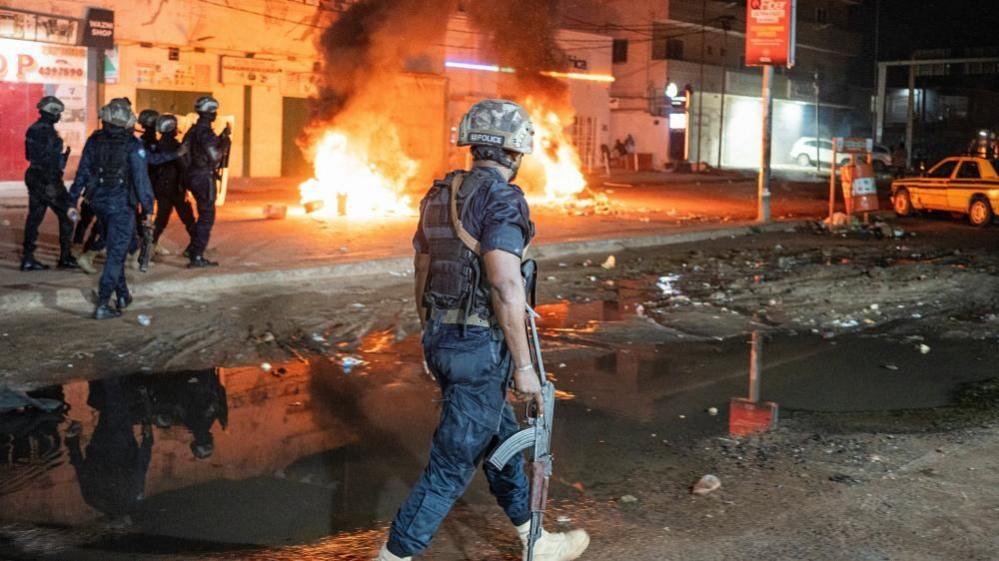
The election was followed by deadly unrest.
A government-appointed inquiry later confirmed at least 518 deaths linked to the violence, while noting that the actual number could have been higher. The authorities deployed security forces to suppress demonstrations, while internet disruptions added to concerns about the government’s handling of the crisis.
The unrest damaged Tanzania’s long-standing reputation for relative political stability.
It also placed Hassan’s government under greater international scrutiny.
From political opening to renewed restrictions
When Hassan became president in 2021 following the death of John Magufuli, she initially attracted praise for taking steps to reopen political space.
Her government eased some restrictions on opposition parties and the media and sought to present Tanzania as moving towards a more open political environment.
But that image has become more difficult to sustain.
Opposition groups and rights advocates now accuse the government of returning to more restrictive practices.
The treatment of opposition figures, the handling of the 2025 election and restrictions on critical media have all contributed to that criticism. The suspension of MwanaHALISI is the latest example.
Tanzania currently ranks 117th out of 180 countries in Reporters Without Borders’ press freedom index. The ranking does not mean every restriction is politically motivated. Governments have a legitimate responsibility to require journalists to meet professional standards.
The larger concern is whether media regulation is applied consistently and whether journalists have independent avenues to challenge government decisions.
That distinction will be important as Tanzania tries to rebuild trust after last year’s election crisis.
Why Nchimbi’s departure matters
The vice president’s resignation does not automatically mean Tanzania is heading towards another political crisis.
The constitution provides a process for replacing the vice president. The president can appoint a new deputy, subject to the constitutional requirements. But politically, the decision carries weight.
Nchimbi was Hassan’s running mate and a senior figure within CCM. His departure means the president will have to choose a new vice president at a time when questions about internal political unity are already being raised.
The choice could therefore send an important message.
If Hassan appoints a figure closely aligned with her political agenda, it could strengthen her control over the executive.
If she chooses a respected consensus figure, it could help reassure party members and the wider public that the government is seeking stability.
The appointment will also be watched for what it says about the future direction of Tanzania’s political system.
What happens next?
Nchimbi will remain in office until September 4, giving the government time to complete the transition.
The immediate priority is to ensure that the constitutional process is followed transparent but the bigger task is rebuilding public confidence. Tanzania needs credible institutions that can withstand political disagreements without turning them into institutional crises.
President Samia Suluhu Hassan now faces an important political decision. Her choice of a new vice president will attract attention well beyond the corridors of government.
It will be interpreted against the backdrop of Nchimbi’s sudden departure, the MwanaHALISI suspension, the disputed 2025 election and the deadly protests that followed.
None of these developments alone proves that Tanzania’s government is divided but together, they point to a country facing difficult questions about political accountability, institutional independence and the limits of executive power.
For Hassan, the next phase of her presidency will be judged not only by who she appoints as vice president, but also by how her government responds to criticism.
Tanzania has an opportunity to restore confidence by protecting credible journalism, opening political space and ensuring accountability for election-related violence.
The alternative is a deeper erosion of trust.
Nchimbi’s resignation may be a personal decision. But in the current political climate, it has become a much larger story — one that raises questions about where Tanzania’s political transition is heading and whether the country can preserve stability while strengthening democratic institutions.