oluwatosin oyeniyi
 University students across Cameroon have staged demonstrations following the introduction of new financial requirements for obtaining French study visas. Protesters argue that the revised conditions will make higher education in France increasingly inaccessible for many young Cameroonians.
Students Challenge Revised Visa Conditions
The demonstrations were organized by student coalitions across major university campuses in Yaoundé and Douala. Participants expressed urgent concerns over the revised proof-of-financial-capacity rules recently introduced for French student visa applications.
According to student representatives, the updated financial thresholds place an unreasonable burden on prospective applicants. These higher financial guarantees make it significantly harder for families with modest incomes to send their children to study in France—traditionally the top destination for Cameroonian scholars.
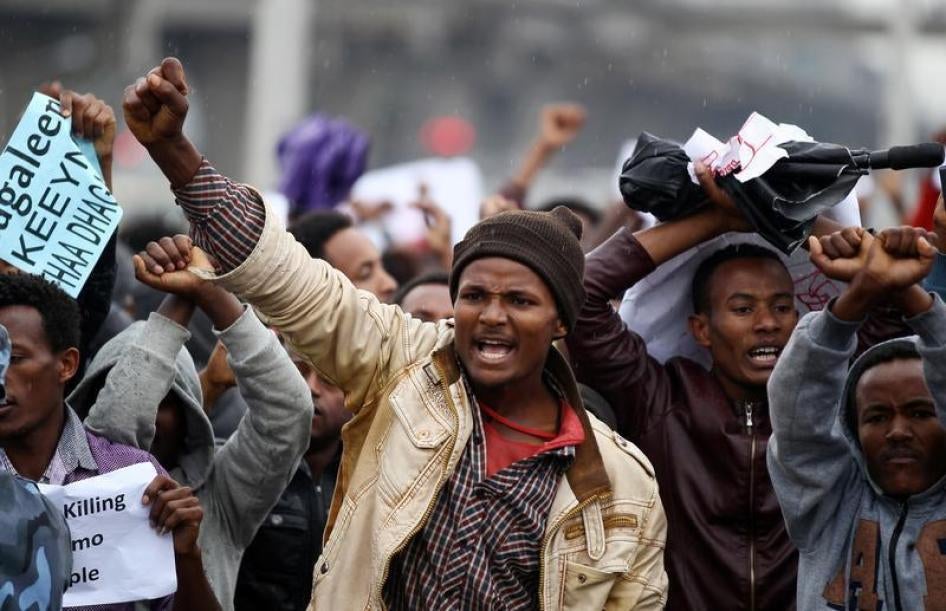
During peaceful marches outside university gates, protesters carried placards calling for an immediate policy review. Student leaders emphasized that access to international education should be based on academic merit rather than financial privilege.
Growing Threats to Higher Education Access
Education advocates warn that many qualified applicants may soon be forced to abandon their academic plans despite meeting all academic criteria. France has long maintained deep educational ties with Cameroon, welcoming thousands of Cameroonian undergraduate and postgraduate students annually through shared linguistic and historical connections.
Student groups fear the stricter financial terms could yield severe consequences:
- Reduced Mobility: Fewer students from middle- and low-income backgrounds will be able to enroll abroad.
- Strained Research Links: Institutional partnerships between Cameroonian and French universities could lose momentum.
- Brain Drain Risks: Restricting formal study paths may drive talented youth toward informal, riskier migration routes.
Why France Remains a Primary Destination
France continues to attract a significant portion of Cameroon’s academic talent due to a shared language, recognized degree equivalence, and established diaspora networks. Graduates returning from French institutions historically strengthen key sectors across Cameroon, including healthcare, engineering, public administration, and technology.
Consequently, education analysts note that changes to French student visa policies extend far beyond individual families. Restricting mobility directly impacts human capital development across the Central African region.
The Broader Debate on African Student Mobility
The demonstrations in Cameroon highlight a growing continental trend. Across Africa, students are confronting higher tuition costs, stricter immigration rules, and rising financial guarantee requirements from Western nations.
This trend is prompting policy experts to urge African governments to invest more heavily in local tertiary institutions. Analysts stress that expanding regional university networks and strengthening domestic scholarship funds are essential to ensure talented students are not left behind by rising financial barriers abroad.
What Lies Ahead
Student organizations have requested formal dialogue with French diplomatic representatives in Yaoundé to seek clarity on the visa guidelines and discuss potential relief measures.
While French consular authorities have not signaled a willingness to roll back the financial requirements, education observers expect discussions to continue as public scrutiny over international student mobility grows across West and Central Africa.