oluwatosin oyeniyi
 Zimbabwe’s latest constitutional reform packages have ignited a fierce nationwide debate. While the government describes the changes as a necessary tool for institutional continuity, opposition parties and civil society groups warn that they dismantle core democratic safeguards and heavily consolidate executive authority.
The Immediate Development
Zimbabwe is witnessing a profound political reckoning following the official passage of the highly controversial Constitution of Zimbabwe Amendment (No. 3) Act. President Emmerson Mnangagwa formally signed the sweeping legislation into law, bringing a dramatic climax to months of intense legislative battles.
Consequently, the enactment has drawn massive domestic and international scrutiny. The law introduces structural changes that fundamentally reshape the country’s entire electoral and judicial landscape.
Government officials heavily defend the changes. They argue that the **Zimbabwe constitutional reform** process is designed to improve governance, maximize institutional efficiency, and promote long-term stability.
However, a broad coalition of opposition factions, legal experts, and civil society organizations strongly disagree. They contend that the amendments completely dismantle the democratic progress achieved under the country’s landmark 2013 Constitution.
What the Reforms Enact
The newly signed Amendment No. 3 Act introduces a series of drastic modifications to Zimbabwe’s governance architecture. The most consequential changes include:
- Term Extensions: The law expands the official terms of office for the President, Parliament, and local government authorities from five years to seven years.
- Abolition of Popular Vote: It completely replaces the direct popular election of the president. Instead, future presidents will be chosen through an indirect voting method by a joint sitting of Parliament.
- Expanded Executive Appointment: The Act grants the president the absolute authority to hand-pick ten additional senators, expanding the chamber to 90 seats.
- Altered Judicial Oversight: It removes the mandatory requirement for the president to consult the Judicial Service Commission when appointing the powerful Prosecutor-General.
Furthermore, the law strips the Zimbabwe Electoral Commission (ZEC) of its traditional boundary-drawing powers. Instead, it reassigns those responsibilities to a newly created Zimbabwe Electoral Delimitation Commission.
Sharp Political Reactions
The ruling ZANU-PF party has vigorously defended the legislative overhaul, linking it directly to their “2030 Agenda.” Party leaders argue that lengthening the electoral cycle is essential to eliminate “election-related toxicity.” From their perspective, the extension provides a stable, uninterrupted environment necessary to implement Vision 2030, which aims to transform Zimbabwe into an upper-middle-income economy.
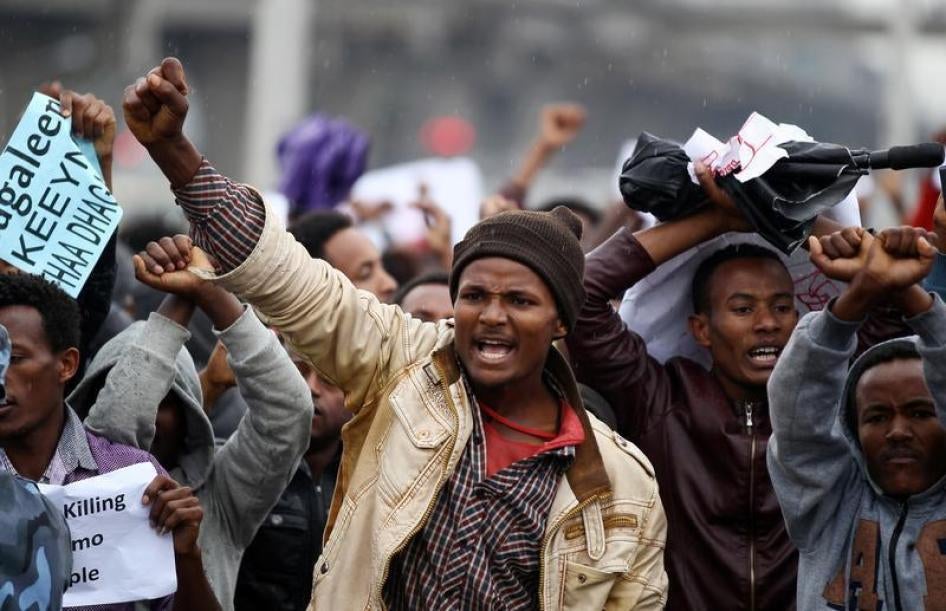
Conversely, opposition leaders and human rights advocates have expressed deep alarm. They note that the law’s transitional provisions effectively keep President Mnangagwa in office until 2030, bypassing his original 2028 term limit. Activists from the Constitutional Defenders Forum have labeled the maneuver a “constitutional coup.” They emphasize that recycling executive legitimacy within a ruling-party-dominated parliament alienates ordinary citizens from the democratic process.
Why It Matters Beyond Zimbabwe
The systemic danger of Harare’s constitutional redesign extends far beyond its borders. For years, international financial institutions and foreign donors have tied Zimbabwe’s economic recovery packages to measurable democratic benchmarks. By pushing through changes that weaken local checks and balances, the state risks deepening its international isolation. This friction could heavily damage investor confidence at a time when the nation desperately needs foreign direct investment.
Furthermore, political analysts warn that Zimbabwe is charting a highly dangerous template for the wider continent. It demonstrates how a ruling establishment can systematically entrench its hold on power using formal, legalistic mechanisms rather than overt military force. If this model succeeds without triggering serious regional diplomatic pushback, neighboring administrations facing intense economic or demographic pressures may adopt similar preemptive legal crackdowns.
Looking Ahead
While the bill has successfully cleared Parliament and received the presidential signature, the legal battlefield is far from quiet. Prominent constitutional lawyers have vowed to mount aggressive challenges in the country’s highest courts, testing the independence of the Zimbabwean judiciary.
Concurrently, international human rights monitors have intensified their scrutiny. They note that the public consultation phase was heavily marred by documented instances of state intimidation against critics.
Ultimately, the true metric for Zimbabwe’s stability over the coming months will not be the ruling party’s legislative dominance. Instead, it rests on whether the government can effectively manage a deeply frustrated populace that has just seen its direct right to elect a president legally dissolved.
Conclusion
The enactment of Zimbabwe’s latest constitutional amendments reflects a delicate, fractured balance between political survival and democratic accountability. While the administration insists these structural changes are essential to secure economic transformation, critics view them as a profound retreat from democratic governance.
For Africa, the unfolding crisis raises a much larger question about the resilience of its institutions. It proves that true sovereign stability cannot be built by rewriting the rules of power behind closed legislative doors, but by preserving the public’s trust in the ballot box.