oluwatosin oyeniyi
 ACCRA, Ghana — Ghana has become the focal point of a renewed global conversation on historical justice as it hosts a landmark international conference on reparatory justice, bringing together delegates from more than 80 countries to discuss the enduring legacy of the transatlantic slave trade and colonialism.
The high-level gathering, held in Accra, follows growing international momentum for reparations after recent developments at the United Nations that have amplified calls for accountability and redress. Government officials, legal experts, historians, academics, civil society leaders, and representatives of African and diaspora communities are participating in discussions aimed at addressing centuries-old injustices and their lasting social and economic consequences.
Core Proposals for Restitution
At the heart of the conference is the question of how nations and institutions that benefited from slavery and colonial exploitation can acknowledge historical wrongs and contribute to meaningful forms of restitution.
Participants are exploring a range of proposals designed to address systemic developmental gaps:
- Financial Reparations: Direct fiscal compensation to address multi-generational economic disparities.
- Educational Investments: Funding for historical preservation, scholarship pathways, and institutional research.
- Debt Relief: Wiping out systemic external debts that cripple modern African developing economies as a form of structural redress.
- Institutional Reforms: Rewriting discriminatory international trade and legal frameworks that perpetuate global inequality.
- Sustainable Partnerships: Creating long-term economic and infrastructural investments across affected communities.
The Restitution of Looted Heritage
The return of looted cultural artifacts and historical treasures has also emerged as a key topic. Delegates argue that restoring significant cultural objects to their countries of origin is an important step toward preserving heritage, correcting historical imbalances, and strengthening national identity.
The discussions focus heavily on pushing Western museums and private collectors to move past conditional loans and commit to the unconditional, permanent repatriation of African heritage.
Ghana’s Strategic Leadership
Ghana’s role as host underscores its longstanding commitment to reconnecting with the African diaspora and positioning itself as a leading voice in conversations about historical justice. Building on previous successful campaigns, the country continues to lead continental efforts in diaspora integration:
1. Ancestral Reconnection: Expanding legal frameworks and citizenship pathways for descendants of enslaved Africans seeking to resettle or invest in Africa.
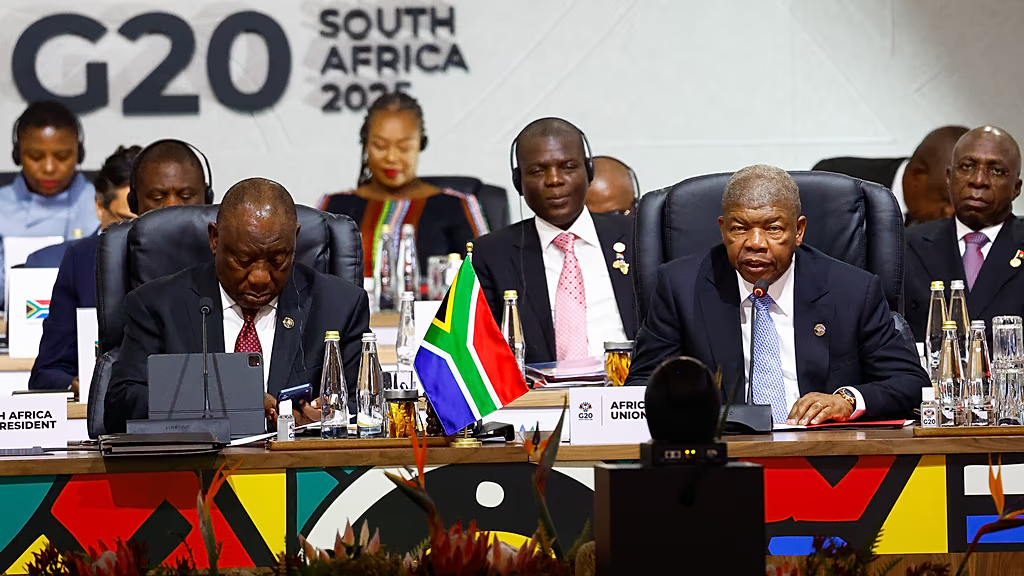
2. Global Advocacy: Weaponizing its diplomatic presence at the UN and the African Union to keep historical accountability at the center of international trade and climate finance negotiations.
3. Preservation Infrastructure: Investing in the physical restoration of coastal slave fortresses, turning monuments of trauma into global educational hubs.
Supporters of reparatory justice contend that the impacts of slavery and colonialism continue to shape economic inequalities, social structures, and development trajectories in many parts of Africa and the diaspora. They argue that addressing these legacies requires more than symbolic apologies; it demands practical measures that foster long-term equity and opportunity.
Looking Ahead
While debates over reparations remain politically and legally complex, the conference reflects a growing international willingness to engage with questions of historical responsibility and restorative action. By convening stakeholders from across the world, Ghana hopes to strengthen collaboration and build momentum for policies that acknowledge the past while promoting a more equitable future.
As discussions continue, the Accra conference is expected to contribute to evolving global conversations on justice, reconciliation, and the enduring legacy of one of history’s most significant human rights tragedies.