oluwatosin oyeniyi
KAMPALA, Uganda — Ugandan President Yoweri Museveni has announced a major reshuffle of senior public service leadership, nominating new permanent secretaries across key government institutions and replacing Adolf Mwesigye as Clerk to Parliament.
The changes, announced on November 8, affect 12 permanent secretary positions and the administrative leadership of Parliament. They cover institutions responsible for public administration, agriculture, foreign affairs, defence, infrastructure, environmental management and digital development.
The reshuffle is intended to strengthen institutional leadership, improve administrative efficiency and support the implementation of government programmes, according to Uganda’s Presidential Press Unit.
Adolf Mwesigye replaced as Clerk to Parliament
One of the most notable changes is the nomination of Edward Sengonzi Damulira to replace Adolf Mwesigye as Clerk to Parliament.
Damulira previously served as an Under Secretary and Accounting Officer at the Ministry of Finance, Planning and Economic Development. His nomination places a senior public finance administrator at the head of Parliament’s administrative structure.
The Clerk to Parliament is responsible for the institution’s administrative operations, including supporting parliamentary procedures, managing staff and overseeing administrative resources.
Mwesigye’s departure forms part of the wider changes affecting senior public service leadership. He had held the position since 2021.
New leadership across government ministries
The reshuffle also introduces changes across several ministries and government agencies.
Emmanuel Freddie Mugunga has been nominated for the Office of the Prime Minister, replacing Alex Kakooza, while Maureen Kasande has been named for the Inspectorate of Government, succeeding Rose Kafeero.
In the Office of the President, Sheeba Kyobutungi Rujoki has been nominated to oversee Science, Technology and Innovation.
Other nominations include:
- Kenneth Akiri – Ministry of Water and Environment.
- Barbara Namugambe – Ministry of Agriculture, Animal Industry and Fisheries.
- Charles Ssentongo – Ministry of Foreign Affairs.
- Prof. Stephen Akandwanaho – Ministry of ICT and National Guidance.
- Mark Sseremba – Ministry of Public Service.
- Eng. Flavia Guto Bwire – Ministry of Works and Transport.
- Edith Butuuro – Ministry of Defence and Veteran Affairs.
- Aggrey Wunyi – Ministry of East African Community Affairs.
- Betty Mutesa Cwinya-ai – Public Service Commission.
Together with Damulira’s nomination as Clerk to Parliament, the appointments represent a substantial reorganisation of senior administrative leadership.
Constitutional powers and appointment process
Museveni made the nominations under Article 174(2) of Uganda’s 1995 Constitution, which provides the President with the authority to appoint permanent secretaries.
However, the appointments are not yet fully finalised. In his November 5 letter to the Chairperson of the Public Service Commission, the President directed the commission to assess the suitability of the nominated officials and provide its recommendations.
The assessment process is an important stage before the appointments are confirmed and the nominees formally assume their respective positions.
The reshuffle therefore involves both presidential decisions and an administrative review process intended to assess the suitability of those selected for the positions.
Implications for public administration
Permanent secretaries occupy important positions in Uganda’s public administration. They serve as the senior administrative and accounting officers within ministries, overseeing institutional operations, budget implementation, personnel management and the execution of government policies.
Their responsibilities place them at the centre of translating political decisions into government programmes and public services.
The latest changes affect several sectors central to Uganda’s development priorities. Leadership transitions in agriculture, water and environmental management, transport, foreign affairs and digital development could influence how government ministries coordinate and implement their respective programmes.
The nomination of new leadership for the Ministry of Public Service and the Public Service Commission also places administrative reform and public sector management among the areas affected by the reshuffle.
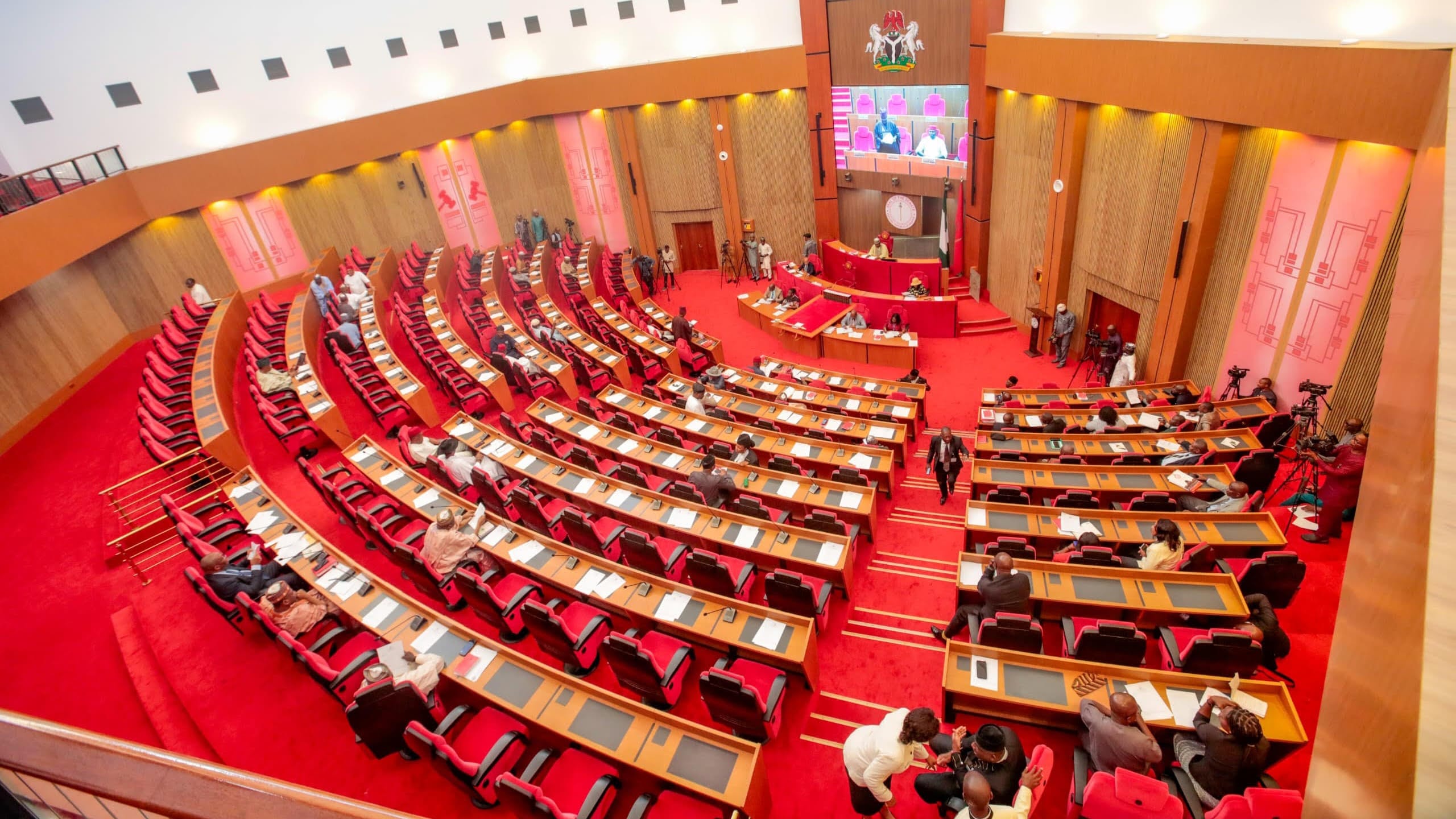
At Parliament, the change in the Clerk’s office comes as the institution prepares for a new legislative term. The administrative leadership will be responsible for supporting parliamentary operations and maintaining the institutional processes required for legislative work.
Focus turns to implementation
While the government has presented the reshuffle as an effort to improve administrative efficiency and service delivery, the practical impact will depend on how the new leadership performs once the appointments are finalised.
The incoming officials will be expected to maintain institutional continuity while advancing government priorities within their respective departments. Their responsibilities will include managing public resources, coordinating administrative activities and ensuring that approved policies translate into measurable outcomes.
The Public Service Commission’s assessment will be the next important stage in the appointment process.
As Uganda prepares for the transition in senior public administration, attention will turn to the confirmation of the nominees and their ability to strengthen institutional coordination, accountability and the delivery of government programmes.