oluwatosin oyeniyi
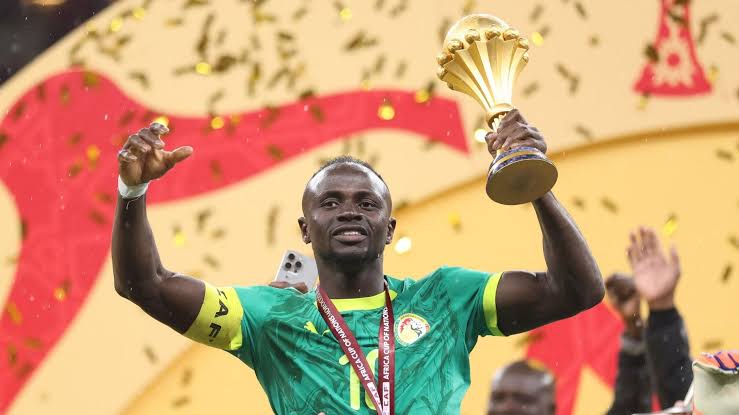
LAUSANNE, Switzerland — Senegal has officially been reinstated as the winner of the 2025 Africa Cup of Nations (AFCON) after the Court of Arbitration for Sport (CAS) overturned the Confederation of African Football (CAF) Appeal Board’s decision that had stripped the country of its title and awarded Morocco a 3–0 victory.
In a unanimous ruling delivered on Tuesday, November 24, 2026, CAS upheld the appeal filed by the Senegalese Football Federation (FSF), set aside CAF’s March ruling and restored the original result of the January 18 final, in which Senegal defeated Morocco 1–0 after extra time in Rabat.
The decision reverses one of the most controversial outcomes in recent African football history, ending months of legal proceedings over the final and the circumstances surrounding Senegal’s temporary walk-off during the match.
CAS overturns CAF’s decision
The legal dispute began after Senegal’s victory over tournament hosts Morocco in the final on January 18, 2026.
Senegal had secured the title through a Pape Gueye goal in extra time after a dramatic final that included a stoppage-time penalty awarded to Morocco. The penalty was missed by Brahim Diaz, while Senegal’s players had temporarily left the pitch in protest against the referee’s decision before returning to complete the match.
CAF’s Disciplinary Board initially dealt with the incidents through disciplinary proceedings. However, following a subsequent appeal by the Royal Moroccan Football Federation (FRMF), CAF’s Appeal Board overturned the earlier decision on March 17, declaring Senegal to have forfeited the final under Articles 82 and 84 of the AFCON regulations.
The ruling recorded the match as a 3–0 victory for Morocco, effectively transferring the championship title to the host nation.
Senegal’s football federation challenged that decision before CAS, seeking to restore the result achieved on the pitch. The appeal was heard in Lausanne, Switzerland, on October 8, with the final ruling delivered on November 24.
CAS set aside the CAF Appeal Board’s decision and reinstated the earlier disciplinary decision, confirming Senegal’s 1–0 victory.
Why CAS ruled in Senegal’s favour
At the centre of the case was the referee’s decision to resume the match after Senegal’s players temporarily left the pitch following the penalty awarded to Morocco.
The Senegalese Football Federation argued that the referee’s decision to restart the game fell within his authority under the laws of football and should not be overturned through the application of tournament forfeiture rules.
The Moroccan federation, meanwhile, maintained that Senegal’s conduct breached the AFCON regulations governing abandonment and refusal to continue a match.
CAS sided with Senegal’s appeal. The panel found that the referee’s decision to restart the match fell within his authority and that he had not committed an error of law by allowing the final to continue.
The court’s reasoning centred on the distinction between a temporary interruption and a match permanently abandoned by the referee. The rules relied upon by CAF’s Appeal Board concerning forfeiture were not applicable in the circumstances of the final, given that play had resumed and the match had been completed.
The panel also noted that separate disciplinary sanctions had already been imposed in connection with the incidents surrounding the final.
The unanimous decision therefore restored the result of the match rather than treating Senegal’s temporary walk-off as grounds for forfeiture.
Morocco signals further legal challenge
Despite the ruling, the dispute may not be entirely over.
The Royal Moroccan Football Federation has announced plans to pursue further legal action against the CAS decision, raising concerns about alleged contact between Senegalese Football Federation President Abdoulaye Fall and German arbitrator Ulrich Haas, who was one of the three members of the panel that heard the case.
Morocco has questioned the integrity of the arbitration process, alleging that the reported communication occurred before the ruling was delivered. The allegations have been denied by Senegal’s football federation and the arbitrator, according to reports.
CAS decisions can be challenged before Switzerland’s Federal Supreme Court, although such appeals are generally limited to specific procedural grounds rather than a reconsideration of the sporting merits of the case.
Any further challenge would therefore have to meet the legal requirements for review of an international arbitration award. Morocco’s announcement does not automatically suspend the effect of the CAS ruling, which has restored Senegal’s title.
CAF’s role and the implications for African football
The ruling also places renewed attention on CAF’s disciplinary and appeals processes, particularly the interpretation and application of tournament regulations during major competitions.
The dispute raised questions about the balance between disciplinary rules, the authority of match officials and the procedures through which sporting outcomes can be challenged after a match has been completed.
While football governing bodies retain the authority to impose sanctions for misconduct, CAS serves as an independent arbitration body through which sporting disputes can be reviewed under applicable legal and regulatory frameworks.
The Senegal-Morocco case demonstrates how the interpretation of competition regulations can have consequences extending beyond a single match, affecting national teams, federations, tournament records and the credibility of sporting institutions.
The ruling is also likely to attract attention from football administrators, legal experts and national federations across Africa as they examine the implications of the decision for future competitions.
Senegal’s title restored
For Senegal, the ruling restores the team’s achievement in January and confirms the country as the winner of the 2025 Africa Cup of Nations.
The Teranga Lions had won their second AFCON title in 2022 before the 2025 victory, which had been overturned by CAF in March. The CAS decision now restores the January result and the championship title to Senegal.
The outcome marks a significant moment for the Senegalese football federation and supporters, who had challenged the CAF ruling through the international sports arbitration system.
Although Morocco’s proposed legal challenge could introduce another chapter to the dispute, the CAS ruling currently stands as the authoritative decision on the final’s result.
The case underscores the growing importance of sports arbitration in resolving disputes involving national federations, competition regulations and decisions made during international sporting events.
For African football, the controversy may leave lasting questions about disciplinary consistency, institutional accountability and the application of tournament rules. For Senegal, however, the legal battle has ended with the restoration of the title won on the pitch.