oluwatosin oyeniyi
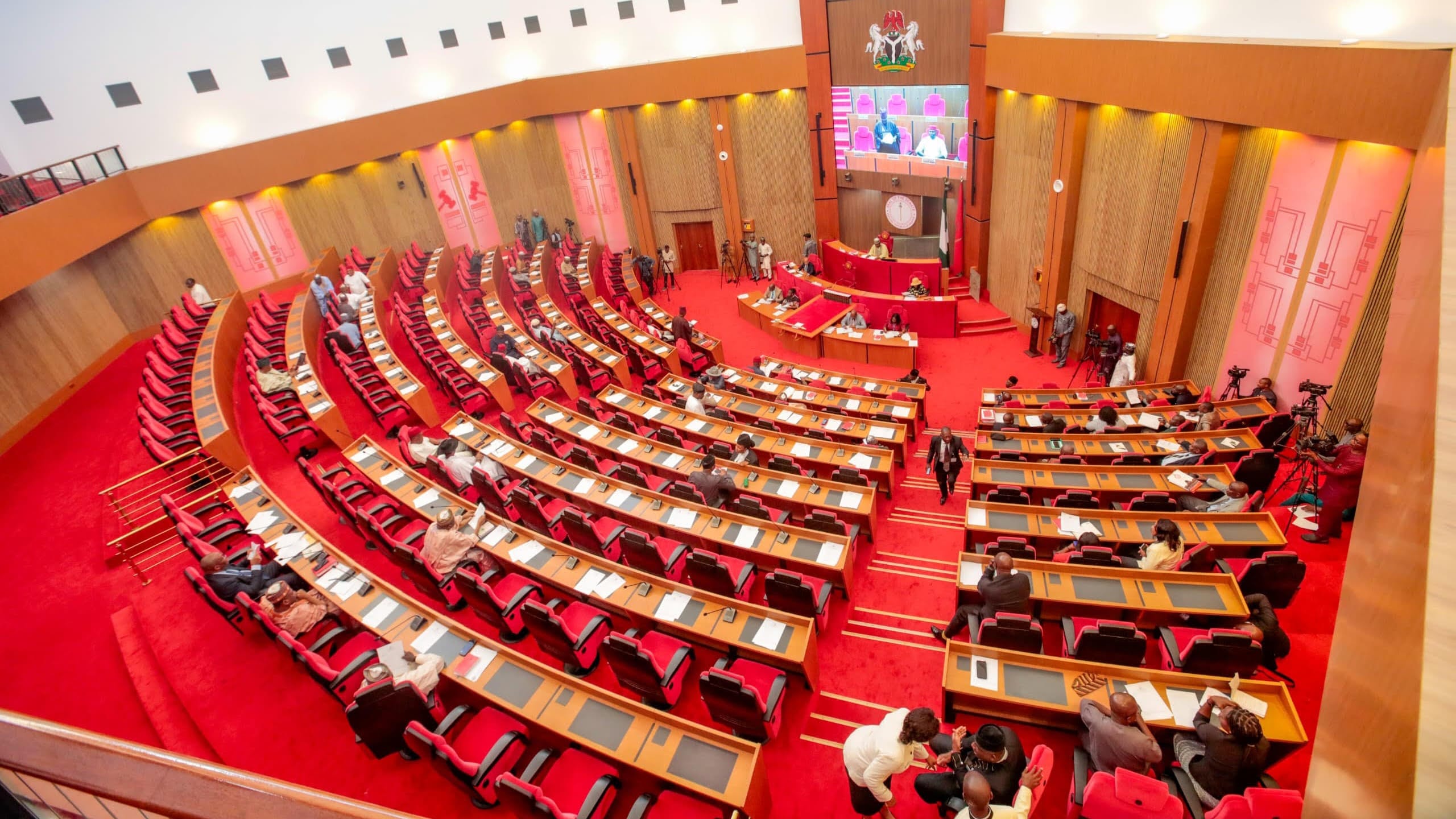
ABUJA, Nigeria — Nigeria’s Senate has approved President Bola Tinubu’s proposed $20.517 billion and €1.045 billion supplementary external borrowing plan for 2026 and 2027, authorising financing intended to support infrastructure, agriculture, healthcare, education, water supply, security and employment-related programmes.
The approval was granted on Tuesday, November 24, following consideration of a report by the Senate Committee on Local and Foreign Debts. The House of Representatives had also endorsed the borrowing plan, according to reports, completing the National Assembly’s consideration of the proposal.
However, the approval has attracted attention because President Tinubu had earlier withdrawn the original borrowing request and replaced it with a smaller $7.7 billion proposal, raising questions about the status of the earlier plan and the legislative process surrounding the government’s external financing arrangements.
What the borrowing plan covers
The approved supplementary borrowing plan comprises $20,517,755,901 and €1,045,083,643, intended to finance government projects and programmes across several sectors under the 2026–2027 financing framework.
The proposed areas of investment include infrastructure development, agriculture, healthcare, education, water supply, security, employment generation and financial management reforms.
The administration has argued that external financing is necessary to address Nigeria’s infrastructure deficit, support economic growth, improve access to essential services and fund programmes aimed at expanding economic opportunities.
The projects and programmes are reportedly expected to be distributed across the country’s 36 states and the Federal Capital Territory, although the specific financing arrangements, lenders, loan conditions and project-level disbursement details will determine how the borrowing is ultimately implemented.
The approval provides legislative authorisation for the proposed financing plan, but it does not necessarily mean that the entire amount will be immediately disbursed or accessed. Individual financing arrangements may still require negotiations, fulfilment of conditions and approval processes before funds are drawn.
A borrowing request that was previously withdrawn
The approval comes against the backdrop of a significant development in the borrowing process.
In late October, Tinubu transmitted a request to the National Assembly seeking approval for the $20.517 billion and €1.045 billion external borrowing plan. However, on November 4, the President withdrew the original request and submitted a revised proposal seeking approximately $7.7 billion in external financing to help fund the 2026 budget deficit.
The revised request was intended to replace the earlier borrowing plan, with the President reportedly favouring financing options including Eurobond issuance and other external funding arrangements.
The withdrawal was subsequently communicated to the Senate, with the revised request presented as a replacement for the earlier proposal.
However, on November 24, lawmakers approved the original $20.517 billion and €1.045 billion borrowing plan, alongside consideration of the revised $7.7 billion financing request.
The development has raised questions about the legislative handling of the withdrawn proposal, particularly whether the earlier borrowing plan remained formally eligible for consideration after the President’s communication had superseded it.
The approvals therefore involve distinct borrowing authorisations that should not automatically be treated as one consolidated loan or as funds already secured by the government.
Nigeria’s growing dependence on borrowing
The borrowing approval comes as Nigeria continues to rely on loans to finance budget deficits, infrastructure projects and government expenditure.
The country’s fiscal challenges include limited revenue generation relative to expenditure requirements, infrastructure financing needs, debt servicing obligations and the pressures associated with economic reforms.
External borrowing can provide access to financing for projects that may otherwise be difficult to fund through domestic revenues alone. However, the benefits depend on the quality of projects financed, the cost of borrowing, repayment terms, exchange-rate exposure and the capacity of government institutions to deliver projects efficiently.
Foreign-currency borrowing also exposes the government to exchange-rate risks. When the naira depreciates against the currencies in which loans are denominated, the domestic-currency cost of servicing and repaying those obligations can increase.
The implications extend beyond federal finances, as rising debt-service obligations may reduce the resources available for public investment, social programmes and other spending priorities over time.
Debate over debt sustainability and accountability
The approval has renewed discussions about Nigeria’s debt sustainability and the government’s ability to ensure that borrowed funds produce measurable economic and social benefits.
Supporters of the borrowing strategy argue that Nigeria requires substantial financing to address infrastructure deficits, expand productive capacity and support economic development. They contend that borrowing can be justified when funds are invested in projects capable of generating economic returns, improving productivity and strengthening government revenue.
Critics, however, have questioned the country’s continued borrowing amid rising public debt obligations, revenue constraints and concerns over the execution of publicly funded projects.
The central issue is not simply the amount borrowed, but how the funds are used, the conditions attached to the financing and whether investments generate benefits that justify their long-term repayment costs.
Transparency in loan agreements, project selection, procurement, disbursement and implementation will therefore remain critical to evaluating the borrowing programme.
What happens next?
Following legislative approval, the Federal Government will still need to pursue the relevant financing arrangements, negotiate terms with prospective lenders and satisfy applicable conditions before individual facilities can be accessed.
The Debt Management Office, ministries, departments and agencies responsible for the projects will also face scrutiny over how the financing is structured and utilised.
The approval places renewed emphasis on legislative oversight, public disclosure of borrowing terms and monitoring of project implementation, particularly given the scale of the proposed financing.
For Nigeria, the borrowing plan represents an attempt to mobilise resources for development priorities at a time when fiscal pressures remain significant.
Whether the financing delivers its intended benefits will depend on the government’s ability to translate borrowing into completed infrastructure, improved public services, productive investment and measurable economic outcomes.
As the country’s borrowing strategy continues to evolve, the debate over fiscal sustainability, transparency and accountability is likely to remain central to economic policy discussions.