oluwatosin oyeniyi
KHARTOUM, Sudan — Sudan’s military authorities have re-detained Ahmed Haroun, a former senior official under ousted president Omar al-Bashir who is wanted by the International Criminal Court (ICC) over alleged war crimes and crimes against humanity in Darfur.
Two members of Haroun’s defence team confirmed his detention on Sunday, November 8, 2026. They initially reported that he had been held in the eastern province of Kassala before later identifying Omdurman, the sister city of Khartoum, as the location. His current whereabouts remain unknown.
The lawyers said authorities had not provided a reason for the detention. However, they linked it to comments Haroun made during a recent interview on Sudan Podcast, in which he discussed the relationship between his former ruling party and the Sudanese military.
The development has drawn attention to Sudan’s unresolved history of atrocities in Darfur, the influence of former ruling-party networks in the ongoing conflict and the country’s continuing failure to transfer individuals wanted by the ICC to face trial.
Who is Ahmed Haroun?
Ahmed Haroun was a senior figure in the government of former Sudanese president Omar al-Bashir, who ruled the country for nearly three decades before being removed from power in 2019.
Haroun held senior security and ministerial positions during al-Bashir’s government and later became chairman of the National Congress Party, the political organisation that dominated Sudan during the former president’s rule.
His name became internationally known because of his alleged role in the violence in Darfur, a western region of Sudan that experienced widespread attacks during the conflict that began in 2003.
The ICC issued an arrest warrant for Haroun in April 2007. He is accused of crimes against humanity and war crimes, including murder, rape, persecution, forcible transfer of populations and torture.
The allegations relate to attacks against civilian communities in Darfur between 2003 and 2004. Haroun has denied the charges and has not been convicted by the ICC.
The case is part of the international court’s wider investigation into atrocities committed during the Darfur conflict, which brought allegations of mass killings, forced displacement and systematic violence against civilians to international attention.
Why was Haroun detained again?
Although Sudanese authorities have not publicly explained the latest detention, Haroun’s recent podcast interview appears to have become a source of political controversy.
During the interview, he discussed the removal of al-Bashir in 2019, his party’s relationship with military leaders, the origins of the Rapid Support Forces (RSF) and possible arrangements for Sudan’s future governance.
He reportedly said that although the National Congress Party and the Sudanese Armed Forces might not be politically aligned, they shared an interest in opposing the RSF in the ongoing war.
The comments attracted criticism from activists and groups associated with the 2019 uprising that brought down al-Bashir.
The Emergency Lawyers group described the interview as a “legal scandal and a direct challenge to international justice”. It called on the military to hand Haroun, al-Bashir and former Defence Minister Abdel-Rahim Muhammad Hussein over to the ICC.
Meanwhile, the National Congress Party demanded Haroun’s immediate release, arguing that he had been detained for expressing his opinions. Its statement did not address the outstanding ICC warrant against him.
The conflicting reactions reflect the political sensitivities surrounding Haroun. While his supporters have framed the detention as an issue of political expression, rights advocates have emphasised the outstanding allegations against him and the need for accountability.
There has been no public confirmation that the military intends to transfer him to the ICC.
From the 2019 uprising to Sudan’s current war
Haroun was first detained in April 2019, following the popular uprising that forced the military to remove al-Bashir from power.
He was held alongside the former president and other senior officials wanted by the ICC. However, Sudan’s military authorities declined to surrender them to the international court.
His return to public attention comes after he left prison when the facility was attacked during the war between the Sudanese Armed Forces and the RSF in April 2024.
The current war began in April 2023 following a breakdown in relations between the Sudanese military and the RSF, a powerful paramilitary force that had previously operated alongside the national army.
The RSF developed from the Janjaweed militia networks mobilised under al-Bashir during the Darfur conflict. Those militias were accused of committing widespread atrocities against communities in the region.
The relationship between the former ruling party, Islamist networks and the military has remained politically significant during the current conflict. Some members of the former ruling movement have reportedly supported the army’s campaign against the RSF, adding another layer to Sudan’s complicated political and security landscape.
The ICC and Sudan’s unresolved accountability question
Haroun’s re-detention has renewed a central question surrounding Sudan’s relationship with international justice: will the authorities eventually surrender individuals wanted by the ICC?
Sudan is not a party to the Rome Statute, the treaty that established the ICC. However, the United Nations Security Council referred the situation in Darfur to the court in 2005 through Resolution 1593, requiring Sudan to cooperate with the ICC’s investigation.
The court’s outstanding cases include former president Omar al-Bashir, Haroun and former Defence Minister Abdel-Rahim Muhammad Hussein.
Their continued presence outside ICC custody has remained a major concern for victims and human rights advocates seeking accountability for the crimes committed in Darfur.
Haroun’s latest detention could therefore become significant if it leads to a transparent legal process and cooperation with the international court. However, being detained by Sudanese authorities is not the same as being transferred to The Hague.
Until the military clarifies his legal status and makes its intentions known, it remains uncertain whether the detention will lead to any progress in the ICC case.
Darfur’s past and present violence
The renewed attention on Haroun also comes as Sudan continues to experience widespread violence against civilians.
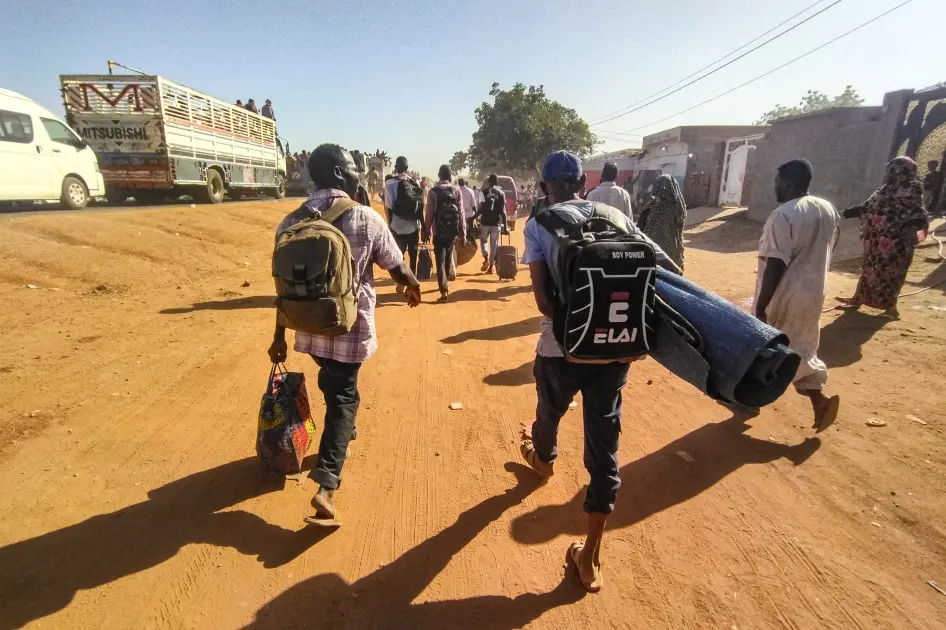
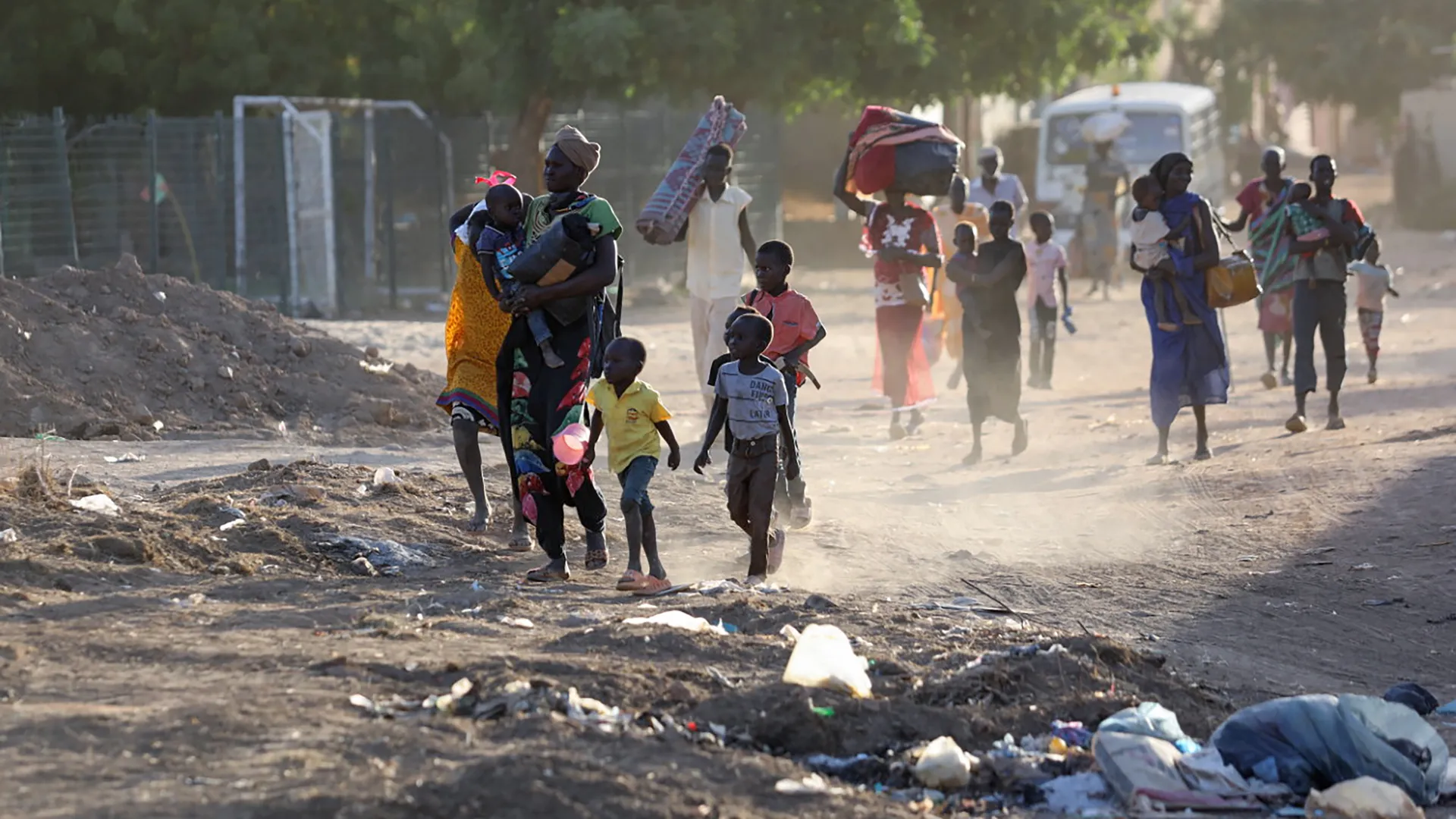
The war between the army and the RSF has been marked by mass displacement, sexual violence, ethnically motivated killings and attacks on civilian communities. Darfur has remained one of the areas most severely affected.
In 2025, United Nations experts said the RSF’s multi-day assault on El Fasher, the capital of North Darfur, bore the “hallmarks of genocide”. The assessment intensified international concern about the scale of atrocities being committed in the region.
For survivors of the earlier Darfur conflict, the latest developments are a reminder that many questions of accountability remain unresolved, even as another devastating war continues to affect the country.
Haroun’s re-detention may offer an opportunity for Sudan’s authorities to clarify their position on the ICC and the prosecution of individuals accused of serious international crimes. But meaningful progress will depend on more than taking a wanted official back into custody.
It will require transparent legal proceedings, cooperation with international justice institutions and a commitment to ensuring that political and military considerations do not prevent accountability for victims.
For Sudan, the question is no longer only where Ahmed Haroun is being held. It is whether his return to custody will lead to justice for Darfur’s victims or become another episode in the country’s long history of unresolved accountability.