oluwatosin oyeniyi
 Welcome back to our series on understanding xenophobia. In our last post, we defined what xenophobia is and why it exists. If you missed the first part of this series, you can catch up here:
[Read Episode 1 — What is Xenophobia? here]
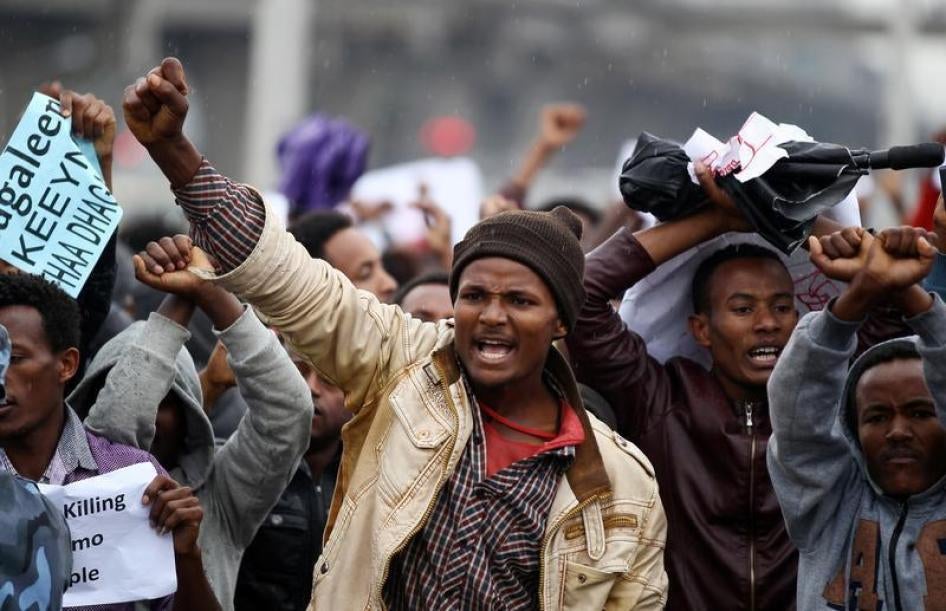
In South Africa, xenophobia is not an abstract debate or a distant political theory, it is a lived reality. It is experienced in real-time, on the streets, in local shops, and within the heart of bustling communities. While South Africa is celebrated globally for its post-apartheid identity as the “Rainbow Nation,” the lived experience of many African migrants tells a significantly more complicated story.
A Cycle of Unrest: From 2008 to Today
To understand the current tension, we have to look at the historical patterns. Xenophobic violence in South Africa has historically occurred in waves, often triggered by economic anxiety and political rhetoric.
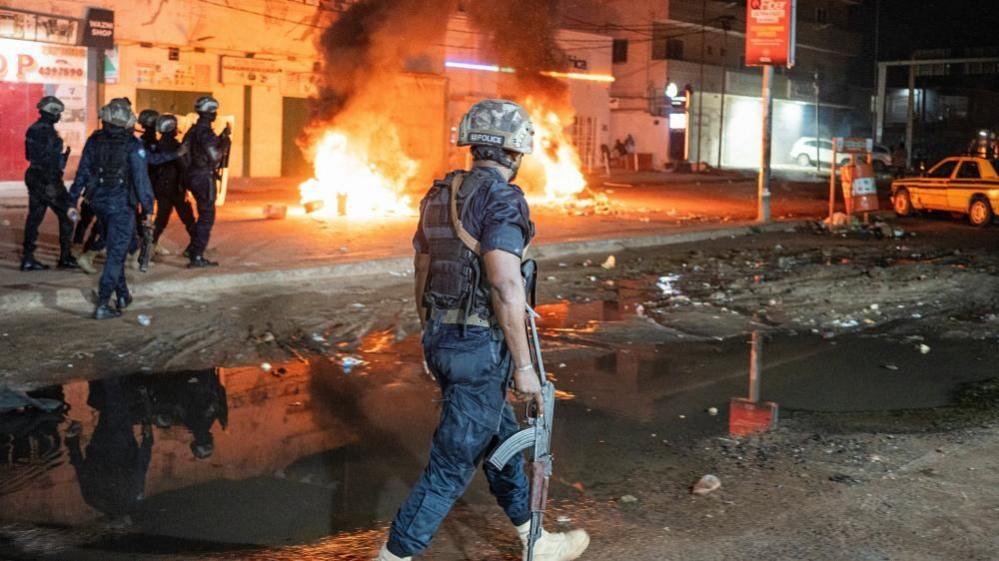
- 2008: The Breaking Point: The first major nationwide eruption occurred in 2008. In a shocking display of violence, coordinated attacks across various townships left over 60 people dead and thousands displaced. Foreign-owned shops were looted, homes were reduced to ash, and entire communities were forced to flee overnight.
- 2015: The Recurrence: The violence resurfaced seven years later, particularly in Durban and Johannesburg. What began as localized tensions quickly escalated, mirroring the 2008 crisis with widespread attacks on migrant businesses and informal settlements.
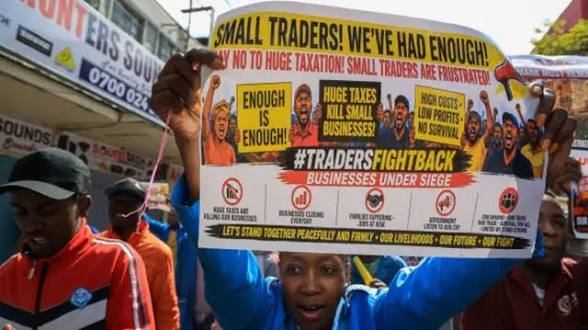
In recent years, the nature of these incidents has shifted. We are seeing fewer large-scale, nationwide riots and instead experiencing frequent, localized flare-ups. Movements such as Operation Dudula have amplified anti-foreigner sentiment by organizing raids on businesses accused of employing undocumented migrants, turning ideological grievances into physical actions.
The Human Face of the Conflict
The hostility in South Africa is rarely random. It impacts African migrants from specific nations, including Nigeria, Zimbabwe, Ghana, Ethiopia, Somalia, Malawi, and Mozambique. For many of these individuals, survival is tied to entrepreneurship. They operate spaza shops (small neighborhood stores), salons, and restaurants. These businesses make migrants highly visible, often positioning them as the primary target when community frustration boils over.
The Geography of Tension
These incidents are not evenly spread. They are concentrated in low-income urban areas and townships—places where economic pressure, unemployment, and housing shortages are at their most acute. Key hotspots include:
- Alexandra and Soweto: Densely populated townships where recurring unrest and protests are common.
- Johannesburg CBD: The commercial hub where the concentration of migrant-owned businesses is highest.
- Durban and Cape Town: Areas where tensions frequently intersect with systemic issues like housing crises and service delivery failures.
The Reality Beneath the Violence
Why is this happening? To label these events merely as “hatred” is to miss the deeper structural issues at play. The reality is that xenophobia in South Africa acts as a lightning rod for broader societal frustrations:
- Economic Survival: In overcrowded spaces, competition for limited resources is fierce.
- High Youth Unemployment: When the national economy fails to provide opportunities, local youth often look for someone to blame.
- Governance Gaps: Weak local service delivery often leads residents to blame foreign nationals for the failure of the state to provide housing, water, or electricity.
- Political Narratives: When political figures shift blame outward rather than addressing systemic corruption or mismanagement, it emboldens anti-foreigner sentiment.
The Bottom Line
For many migrants, life in these areas is a constant state of uncertainty. A shop owner might open their doors in the morning, only to be forced to shut down by afternoon due to rumors of impending attacks. The tragic reality is that xenophobia in South Africa is not a one-time crisis, it is a recurring cycle. Each wave of violence may fade from the headlines, but the conditions that produce it—poverty, inequality, and a lack of economic opportunity remain. Until those root causes are addressed, the question for many remains not if it will happen again, but when.
We hope this exploration has helped clarify the complexity of the situation on the ground. In our next episode, we will look at how technology and social media are playing a role in fueling or fighting these sentiments.
Does understanding the economic root causes change how you view these conflicts, or do you believe there are other factors at play that we haven’t touched on yet?