oluwatosin oyeniyi
 Confirming recent intelligence operations, law enforcement officials announced that with the prominent Beninese activist Kemi Seba arrested in South Africa, the formal extradition process to Cotonou has officially commenced. The arrest, executed on Wednesday, April 15, 2026, occurred at a Pretoria shopping mall where Seba, born Stellio Gilles Robert Capo Chichi, was apprehended alongside his 18 year old son and a suspected local guide. Authorities intercepted the group as they allegedly attempted to coordinate an illegal crossing across the Limpopo River into Zimbabwe, reportedly paying a local facilitator 250,000 rand to secure passage.The detention operation was supported by Interpol intelligence and aligns with an international arrest warrant issued by the government of Benin in December 2025. Following an initial appearance at the Brooklyn Magistrate’s Court, the suspects were remanded in custody, with the case postponed to April 20. During the hearing, legal counsel for the accused contested the detention, framing the charges as political persecution while citing Seba’s use of a Nigerien passport to complicate the jurisdictional claims of the Beninese warrant. Meanwhile, Cotonou has dispatched a legal delegation to Pretoria, indicating the high priority the Talon administration places on securing the activist’s return. The diplomatic and legal maneuvers surrounding this arrest trace back to the foiled military coup attempt against Beninese President Patrice Talon on December 7, 2025. During the brief mutiny, which was ultimately suppressed by the military with external regional support, Seba published a video broadcast celebrating the uprising as a day of liberation. In response, Cotonou’s Court for the Suppression of Economic Crimes and Terrorism issued a warrant charging the 45 year old activist with justifying crimes against state security and inciting rebellion. Seba, a vocal critic of Western influence who was stripped of his French citizenship in 2024, has since operated as a high profile fugitive, utilizing his extensive social network presence to advocate for military juntas across the Sahel. The apprehension of Seba transcends standard law enforcement cooperation. It represents a significant stress test for regional sovereignty, cross border jurisprudence, and the management of political dissent in West Africa. By successfully leveraging an Interpol Red Notice to secure an arrest in Pretoria, the Talon administration is signaling an expanded reach in its pursuit of domestic adversaries.
The Beninese government is demonstrating that physical distance no longer guarantees political immunity for figures attempting to destabilize the state from abroad. The reliance on international security frameworks to apprehend a political agitator exposes a distinct structural weakness within West African governance. Governments in the region are increasingly blurring the line between counter terrorism operations and the suppression of political opposition. While Seba endorsed an unconstitutional seizure of power, pursuing him through the same mechanisms used for transnational organized crime suggests a fragility in domestic political continuity. The state is forced to employ extraordinary external measures to manage an internal political threat, relying on South African police rather than domestic political resilience to neutralize the activist’s influence.
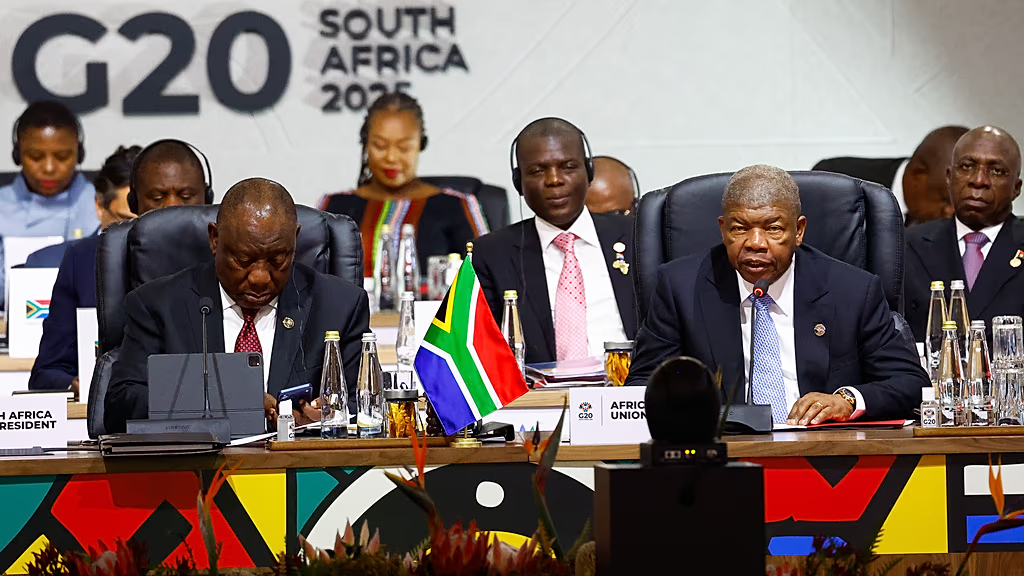
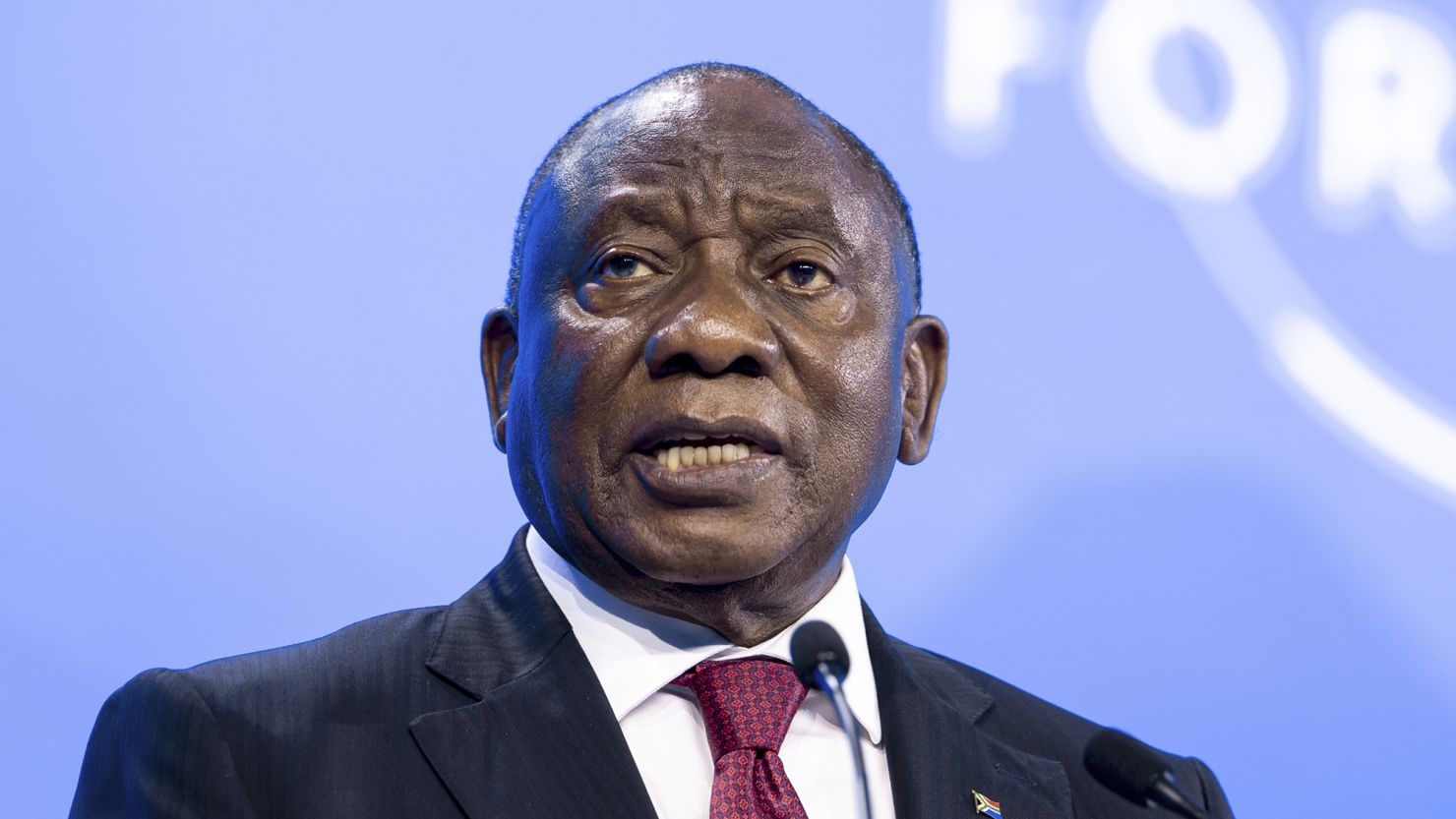
Furthermore, this incident complicates South Africa’s diplomatic posture. Pretoria now finds itself acting as the enforcement arm for a West African government cracking down on a polarizing Pan Africanist figure. This places President Cyril Ramaphosa’s administration in a delicate position, balancing its obligations under international law with domestic optics. Extraditing an activist known for his anti colonial rhetoric to a government closely aligned with former colonial powers presents a narrative challenge for the ruling African National Congress, which frequently champions anti imperialist ideologies.
The broader implication is the accelerating weaponization of international legal instruments to enforce political control. The Talon administration has previously faced criticism for dismantling domestic opposition and centralizing power.Expanding this strategy across borders using Interpol indicates a shift from local containment to regional pursuit. If extradition treaties and international warrants become standard tools for silencing exiled critics, the fundamental principles of political asylum and cross border free speech will deteriorate rapidly across the continent. This dynamic incentivizes political exiles to seek refuge exclusively in non aligned states, further fragmenting the geopolitical landscape of Africa.To prevent the erosion of international legal frameworks, structural solutions must be implemented regarding how member states process politically sensitive extradition requests. First, the South African judiciary must enforce a strict, transparent review of the extradition treaty, decoupling the legal merits of the rebellion charges from the political motivations of the Beninese state. By treating the extradition hearing purely as a test of evidentiary standards rather than a diplomatic favor, South African courts can establish a precedent that protects the integrity of cross border law enforcement.
Second, regional bodies such as the African Union must develop specialized arbitration panels to evaluate arrest warrants involving political figures. Interpol is designed to target criminality, not adjudicate political disputes. Establishing a regional mechanism to vet these warrants before execution would prevent member states from exploiting global police networks to settle political scores. This would require Benin to prove that Seba’s actions constitute a direct, material threat to public safety, rather than merely an ideological offense against the ruling government.
Third, domestic governance in West Africa must pivot toward structural inclusion rather than relying on externalized punitive measures. The appeal of figures like Seba grows proportionately to the restriction of democratic space. Governments aiming to ensure political continuity must address the socioeconomic grievances that make coup endorsements palatable to the youth demographic. Security measures can suppress an individual, but long term stability requires building domestic institutions robust enough to withstand external political rhetoric.
The handling of the Seba extradition will set a defining benchmark for how African nations balance international security obligations with the right to political dissent, determining whether cross border law enforcement remains an instrument of justice or becomes a tool for political consolidation.