oluwatosin oyeniyi
 The Federal Government of Nigeria has rescheduled voluntary evacuation flights for citizens fleeing South Africa. This urgent move follows renewed xenophobic attacks and anti-immigrant unrest on South Africa’s southern coast. Consequently, the situation highlights persistent diplomatic friction between Africa’s two largest economies. It also exposes the ongoing vulnerability of foreign nationals in the country.
Initially, over 500 cleared Nigerians were set to leave. However, due to logistical delays and an extended verification window, the first batch will now depart on Wednesday, June 10, 2026.
Logistical Challenges Delay the Repatriation
The voluntary evacuation was originally slated for June 8, 2026. Ministry of Foreign Affairs spokesperson, Kimiebi Ebienfa, confirmed that the postponement allows the Nigerian Mission in Pretoria more time. Specifically, this extended window ensures proper screening of all eligible citizens before departure.
To facilitate the rescue mission, President Bola Tinubu approved five specialized Air Peace flights. As a result, the first batch of 270 citizens is expected to arrive in Lagos on Wednesday night.
Note: Nigeria is not alone in this crisis. Other nations, including Ghana, have also initiated emergency flights to bring their citizens home safely.
Deep Roots: Why Xenophobia Persists in South Africa
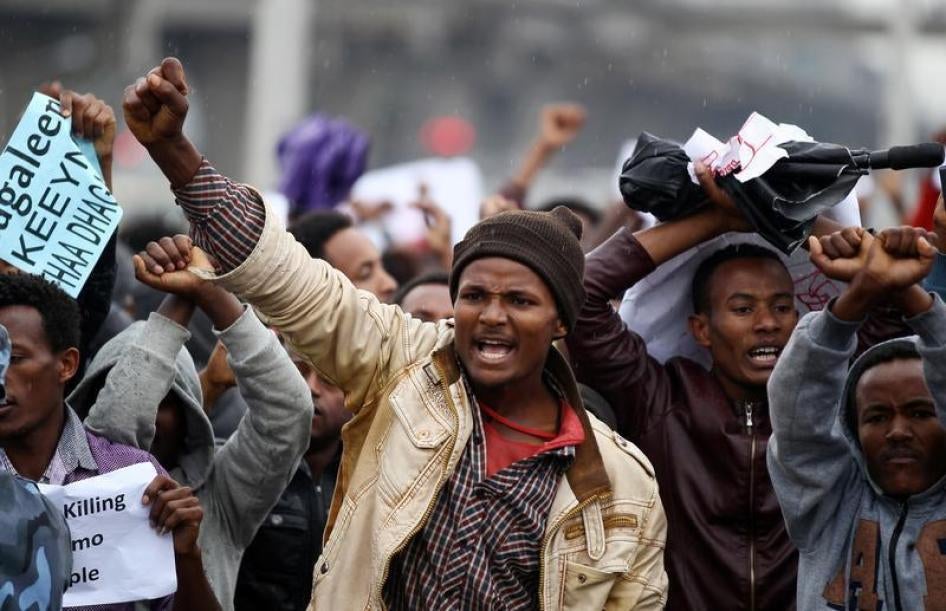
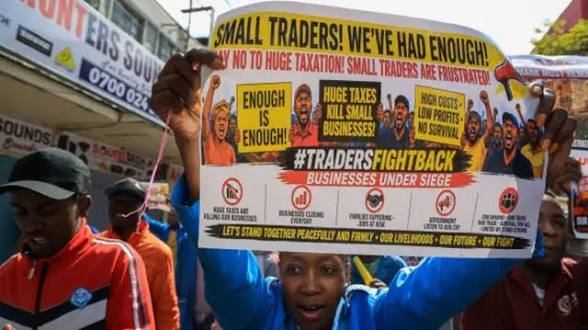
Xenophobic violence is a recurring crisis in South Africa, with major outbreaks previously recorded in 2008, 2015, and 2019. These tensions often stem from deep-seated socio-economic frustrations. High unemployment rates drive a false perception that foreign nationals steal local jobs and resources. Because Nigerians form a vibrant part of the migrant community, they frequently become targets.
The Rise of Vigilante Deadlines
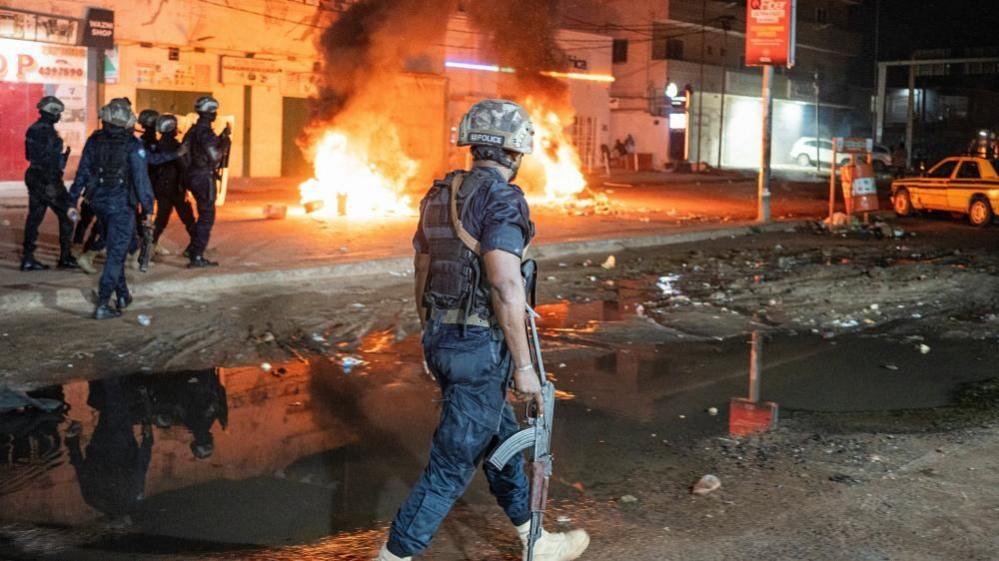
The current wave of unrest is particularly dangerous. Anti-illegal immigration groups have set an unofficial deadline of June 30, 2026, for undocumented foreigners to leave. Although the South African government does not sanction this deadline, it has triggered widespread terror.
Reports indicate that vigilante mobs have terrorized parts of Durban. Mobs are pulling people from their homes and workplaces, often while local police stand by passively.
Nigeria Escalates Diplomatic Pressure
In response, Nigeria has swiftly escalated its diplomatic countermeasures. Beyond organizing evacuation flights, Nigerian lawmakers are demanding firm economic and political consequences. Some officials have even threatened sanctions if South Africa fails to guarantee the safety of Nigerian nationals.
To address the issue directly, Nigeria dispatched a parliamentary delegation to South Africa. The team will assess the ground situation and evaluate why past bilateral agreements have failed to prevent violence. Meanwhile, the Nigeria-South Africa Chamber of Commerce is actively engaging businesses to protect bilateral trade and prevent economic fallout.
The Path Forward: How to End the Crisis
Resolving this recurring humanitarian issue requires immediate action and long-term structural changes.
- Enforce the Law: The South African government must move past mere verbal condemnations. Authorities must prosecute perpetrators of xenophobic violence and publicly disavow vigilante groups.
- Strengthen Bilateral Dialogue: Both nations must bridge the implementation gap. They need to ensure that diplomatic resolutions translate into real-world protection on the streets.
- Address Economic Drivers: South Africa must tackle its youth unemployment crisis. Additionally, schools and civic groups should launch educational campaigns to counter anti-immigrant rhetoric.
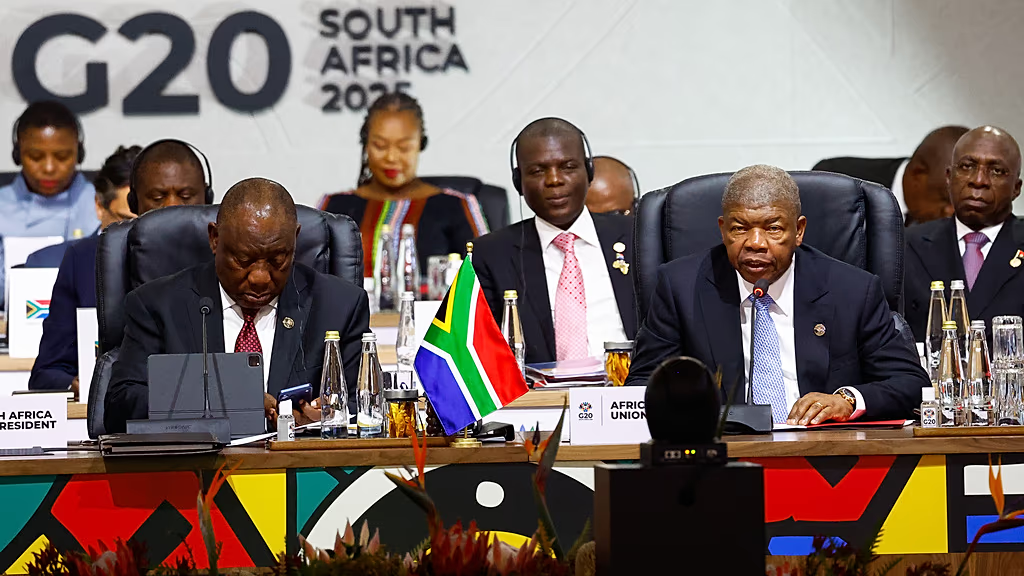
- Activate Regional Bodies: The African Union (AU) must step in proactively to mediate these disputes and enforce true Pan-African unity.
Bottom Line
The rescheduling of Nigeria’s evacuation flights is a stark reminder of the fragile state of continental unity. While Nigeria’s swift intervention protects its people, evacuations are only a temporary fix. True progress will only happen when both governments address the root causes of xenophobia, ensuring safety, dignity, and economic integration for all Africans.