oluwatosin oyeniyi
MAPUTO, Mozambique — Opposition leader Venâncio Mondlane is due to appear before Mozambique’s Supreme Court on November 17, 2026, facing five criminal charges linked to the demonstrations that followed the disputed 2024 presidential election.
The charges include public advocacy of crime, incitement to collective disobedience, public instigation to commit a crime, instigation of terrorism and incitement to terrorism. If convicted of the most serious charge, Mondlane could face up to 24 years in prison, according to Mozambican legal expert Vítor da Fonseca, cited by the Associated Press.
Mondlane, who finished second in the October 2024 presidential election, has denied all the allegations. He maintains that his public statements and calls for demonstrations were intended to demand electoral transparency and what he described as electoral truth, rather than encourage violence.
The opposition politician has said he will attend the proceedings. He has not been arrested and remains free as the case begins.
Disputed election triggered months of protests
The case stems from Mozambique’s October 2024 presidential election, in which Daniel Chapo of the long-ruling Mozambique Liberation Front (Frelimo) was declared the winner.
The Constitutional Council confirmed Chapo’s victory with 65.17 per cent of the vote, while Mondlane, who contested as an independent candidate backed by the Podemos party, received 24.19 per cent. Mondlane rejected the official outcome and maintained that the election had not reflected the will of voters.
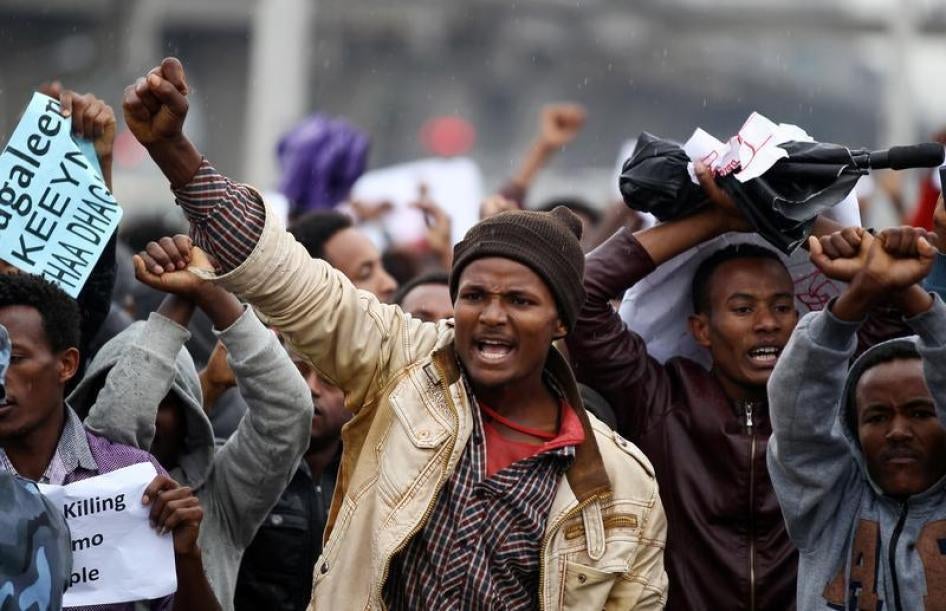
The announcement triggered months of demonstrations, strikes, road blockades and clashes between protesters and security forces. The unrest became one of the largest waves of political protests Mozambique had experienced since independence.
The human cost was substantial. Amnesty International, citing local civic groups, reported that more than 300 people were killed during the post-election protests. Human Rights Watch also accused security forces of using live ammunition against demonstrators. These organisations raised concerns about the authorities’ handling of the protests and the protection of fundamental rights.
International election observers, including the European Union’s observation mission, also questioned aspects of the electoral process, citing irregularities in vote counting and the alteration of some results. These concerns contributed to the wider dispute over the credibility of the election.
The unrest was further intensified by the October 2024 killing of Mondlane’s lawyer and adviser, Elvino Dias, and Podemos spokesperson Paulo Guambe, who were shot dead in Maputo. Mondlane described the killings as political assassinations and subsequently left the country, saying he feared for his safety.
What prosecutors allege
Mozambique’s Public Prosecutor’s Office formally brought the charges against Mondlane in July 2025. Prosecutors allege that his public statements, social media broadcasts and calls for protests, strikes and civil disobedience contributed to the unrest and associated violence.
Mondlane rejects this interpretation. He has argued that his actions were aimed at challenging the election results and demanding accountability. In comments reported by Deutsche Welle, he said he had never called for violence and maintained that his statements were intended to prevent it.
The distinction between political mobilisation and criminal incitement is central to the proceedings. The court will have to consider whether the prosecution can establish a sufficient connection between Mondlane’s statements and the specific offences alleged.
Mozambican lawyer Baltazar Fael, speaking to Deutsche Welle, cautioned that an indictment does not establish guilt. He argued that prosecutors would need to demonstrate a credible link between Mondlane’s statements and the alleged terrorist acts, rather than rely solely on the fact that violence occurred during the protests.
The proceedings will be heard by a five-judge panel of the Supreme Court. The court has also confirmed that 36 witnesses are expected to testify, according to its spokesperson.
Political motivation and judicial independence under scrutiny
Mondlane’s prosecution has generated debate about the relationship between political opposition and the justice system in Mozambique.
His party describes the case as politically motivated, arguing that the charges are part of an effort to weaken opposition voices following the disputed election. Some legal analysts and civil society observers have also questioned whether the proceedings could undermine confidence in the judiciary, particularly given the political circumstances surrounding the case.
The president of the Supreme Court, however, has rejected suggestions of political interference, maintaining that the court will consider the evidence and rule according to the law.
Transparency has also become an issue. Mondlane’s defence requested that the trial be broadcast live, but the court rejected the request. It cited concerns that broadcasting could compromise the safety of participants, influence witnesses or interfere with the proper conduct of proceedings. The decision has attracted criticism from those who believe public access is particularly important in a politically sensitive case.
Mondlane’s political future may also be affected. The Institute for Security Studies previously noted that the charges could have implications for his eligibility to contest the 2029 presidential election. However, the legal consequences will depend on the outcome of the proceedings and the applicable electoral rules.
A wider test for Mozambique’s democracy
The trial comes at a time when questions about electoral accountability, freedom of expression and the treatment of opposition figures remain significant across parts of Africa.
For Mozambique, the case goes beyond the future of one politician. It places the country’s institutions under scrutiny as they attempt to address the consequences of a disputed election and months of unrest.
The prosecution has a responsibility to present evidence supporting its allegations, while the defence must have a fair opportunity to challenge the case. Equally, the judiciary must demonstrate that its decisions are based on the law and evidence rather than political considerations.
The authorities also face the broader challenge of addressing the grievances that contributed to the protests, including public distrust in electoral processes and concerns over the use of force against demonstrators.
As proceedings begin, the outcome will be closely watched by political observers, human rights organisations and Mozambique’s citizens. A fair and transparent process could help strengthen confidence in the country’s institutions. Conversely, perceptions of political interference or restrictions on legitimate dissent could deepen existing divisions.
Mondlane remains presumed innocent unless and until a court establishes his guilt. The proceedings will therefore be an important test not only of the allegations against him, but also of Mozambique’s commitment to judicial independence, political pluralism and the protection of democratic rights