oluwatosin oyeniyi
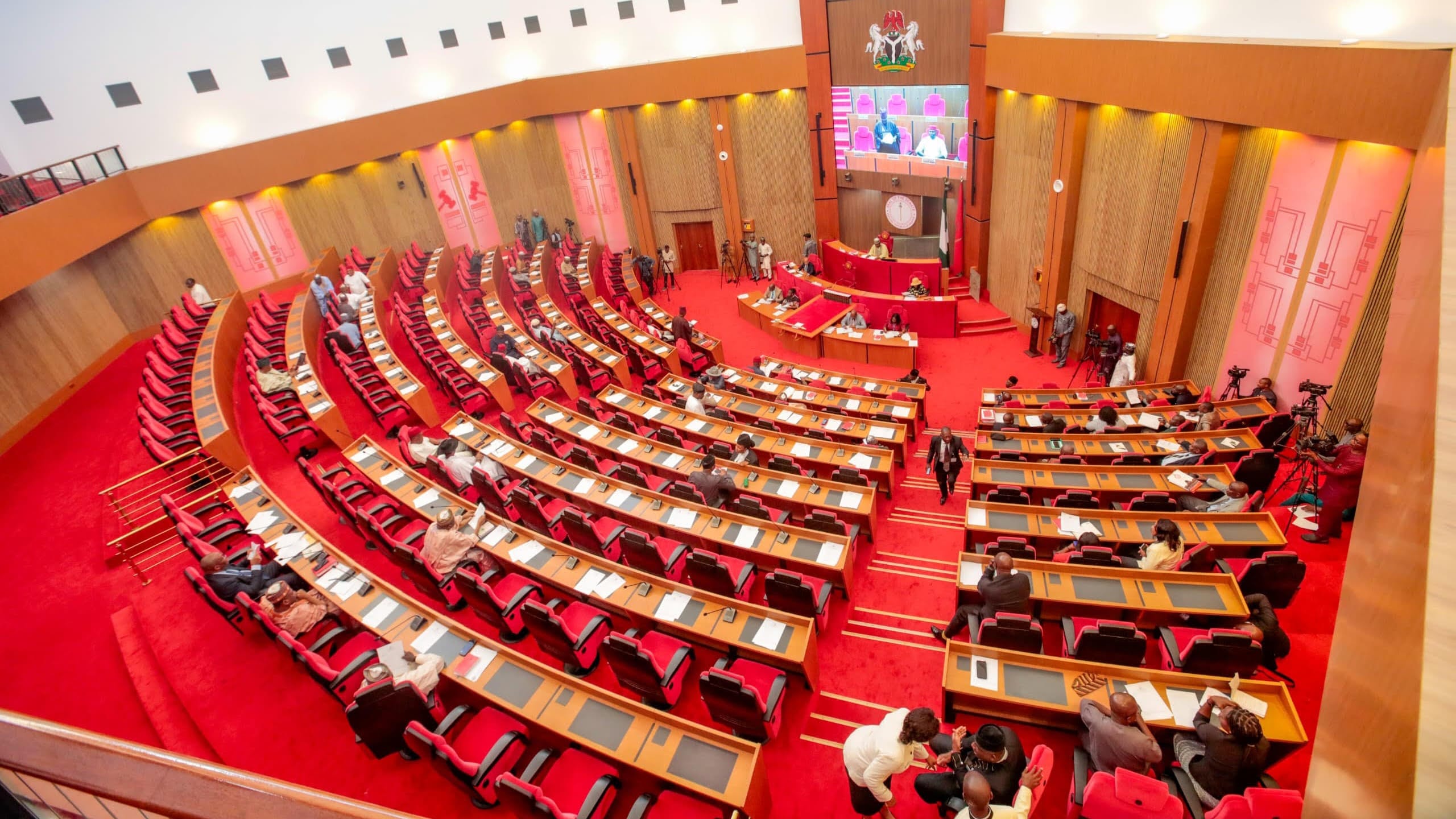
NAIROBI, Kenya — Kenya’s National Assembly has passed the Health (Amendment) Bill, 2024, seeking to prevent hospitals from demanding upfront payments before providing emergency medical treatment and from detaining discharged patients or withholding the bodies of deceased persons over unpaid medical bills.
The Bill, sponsored by Kirinyaga County Woman Representative Jane Njeri Maina, was approved during its third reading on Wednesday, November 11, 2026. It seeks to amend the Health Act, 2017, and strengthen protections for patients and families who face financial difficulties during medical emergencies.
The proposed legislation marks a significant step towards addressing practices that have left critically ill patients struggling to access urgent care and bereaved families unable to retrieve the remains of relatives because they cannot settle outstanding hospital charges.
However, the Bill is not yet law. It must proceed to the Senate for consideration before being presented to President William Ruto for assent. Its protections will only become legally enforceable once the legislative process is completed.
Emergency treatment before payment
One of the Bill’s central provisions is to prohibit public healthcare facilities from making upfront payments as a condition for providing emergency medical treatment.
Under the proposed amendments, patients requiring urgent medical attention should not be denied initial treatment because they cannot immediately produce cash, pay a deposit, verify insurance coverage or demonstrate their ability to meet the expected medical costs.
The proposal is intended to address situations in which financial requirements delay treatment for people experiencing life-threatening illnesses or injuries.
It also seeks to clarify the scope of emergency medical care, extending attention beyond the hospital emergency department to include necessary initial care at the scene of an illness or injury, during transportation to a medical facility and through early inpatient treatment.
Public healthcare facilities found guilty of demanding advance payment before providing emergency treatment could face fines of up to KSh3 million under the proposed amendments.
The measure is intended to reinforce the constitutional right to emergency medical treatment and ensure that financial circumstances do not prevent patients from receiving potentially life-saving care.
Ending the detention of patients and deceased persons
The Bill also targets the practice of hospitals detaining patients who have been medically discharged because they cannot settle outstanding bills.
It further seeks to prohibit healthcare facilities from withholding the bodies of deceased patients as security for unpaid medical expenses, a practice that has caused prolonged distress for families attempting to make burial arrangements.
Under the proposed provisions, a person in charge of a health facility would not be permitted to detain a discharged patient or the body of a deceased person solely because medical bills remain unpaid.
Public officers who authorise or facilitate the detention of bodies over outstanding bills could face fines of up to KSh2 million.
The issue has previously attracted legal challenges, with Kenyan courts questioning the authority of hospitals to hold deceased persons’ remains as collateral for unpaid medical expenses.
In September 2025, Justice Nixon Sifuna ordered the release of a body following a dispute involving a family in Kirinyaga County that had been unable to raise KSh3.3 million in mortuary charges. The judge held that hospitals had no legal right to retain human remains as security for unpaid bills.
The new Bill seeks to establish clearer statutory protections against such practices and provide families with a more direct legal basis to challenge them.
Balancing patients’ rights with hospitals’ financial obligations
While the legislation seeks to protect patients and bereaved families, it also recognises that healthcare facilities must recover the costs of services provided.
To address this, lawmakers introduced provisions allowing patients or relatives responsible for outstanding bills to sign promissory notes committing to settle the debt within an agreed period.
The documents would specify payment arrangements and create a legally binding undertaking that healthcare facilities could enforce through the courts.
A new clause also provides for the discharge of patients or release of deceased persons’ bodies upon execution of a promissory note securing outstanding medical expenses.
The Bill includes an exception for patients who voluntarily choose private or semi-private rooms at admission, requiring them to settle the associated bills before discharge or release of remains, except in emergencies or where medical necessity applies.
The inclusion of payment agreements is intended to prevent hospitals from using detention as a debt-recovery mechanism while preserving their ability to pursue legitimate claims through lawful channels.
A recurring problem in Kenya’s healthcare system
The Bill represents the latest attempt by Kenyan lawmakers to address hospital detentions and demands for upfront emergency payments.
According to reporting by the Daily Nation, this is the third legislative attempt to prohibit the detention of patients and deceased persons over unpaid medical bills, following two previous Bills that failed to become law.
Kirinyaga Woman Representative Jane Njeri Maina, who sponsored the current proposal, has highlighted cases involving families unable to retrieve the bodies of deceased relatives because of outstanding hospital expenses.
The issue has also drawn attention to the financial pressures facing households when medical emergencies occur. Families without sufficient savings or reliable health insurance can find themselves struggling to meet treatment costs, even when immediate medical attention is necessary.
National Assembly Health Committee Chairperson James Nyikal supported the Bill, describing the detention of patients and deceased persons over unpaid bills as an unacceptable practice. He also argued that improved participation in the Social Health Authority (SHA) scheme could help address some of the financial challenges affecting access to healthcare.
However, the proposed protections do not eliminate medical bills or guarantee that all healthcare services will be free. Rather, they seek to prevent financial disputes from being used to obstruct emergency treatment or restrict the freedom of discharged patients and the release of deceased persons.
What happens next?
The Bill must now be considered by the Senate before it can be presented to President William Ruto for assent. Its final passage and implementation will determine how effectively the proposed safeguards are enforced across Kenya’s healthcare system.
If enacted, the legislation could offer important protection to patients who arrive at hospitals in critical condition without the money required for an immediate deposit. It could also spare bereaved families the additional trauma of having to negotiate the release of loved ones’ bodies while struggling with medical debts.
For healthcare providers, the proposed changes would require greater reliance on lawful debt-recovery arrangements rather than withholding patients or human remains.
The legislation therefore raises a broader question about the relationship between healthcare as a public necessity and the financial realities of running medical facilities.
For many Kenyan families, the difference between receiving emergency treatment immediately and being asked to pay first can be a matter of life and death. The next stages of the legislative process will determine whether Parliament’s decision becomes an enforceable protection for patients across the country.