oluwatosin oyeniyi
MBABANE, Eswatini — Foreign-owned businesses in Eswatini, particularly shops operated by Asian nationals, are facing increased scrutiny as the government moves to expand economic opportunities for citizens under its Citizens Economic Empowerment framework. The crackdown has triggered debate in Parliament over how quickly foreign traders should make way for local entrepreneurs, with lawmakers agreeing to recommend a 12-month transition period for businesses operating outside the country’s laws and regulations.
The debate comes as trade officials conduct inspections and close some foreign-owned shops. However, the government says the exercise is intended to ensure compliance with existing business regulations and licensing requirements, not to drive all foreign business operators out of the country.
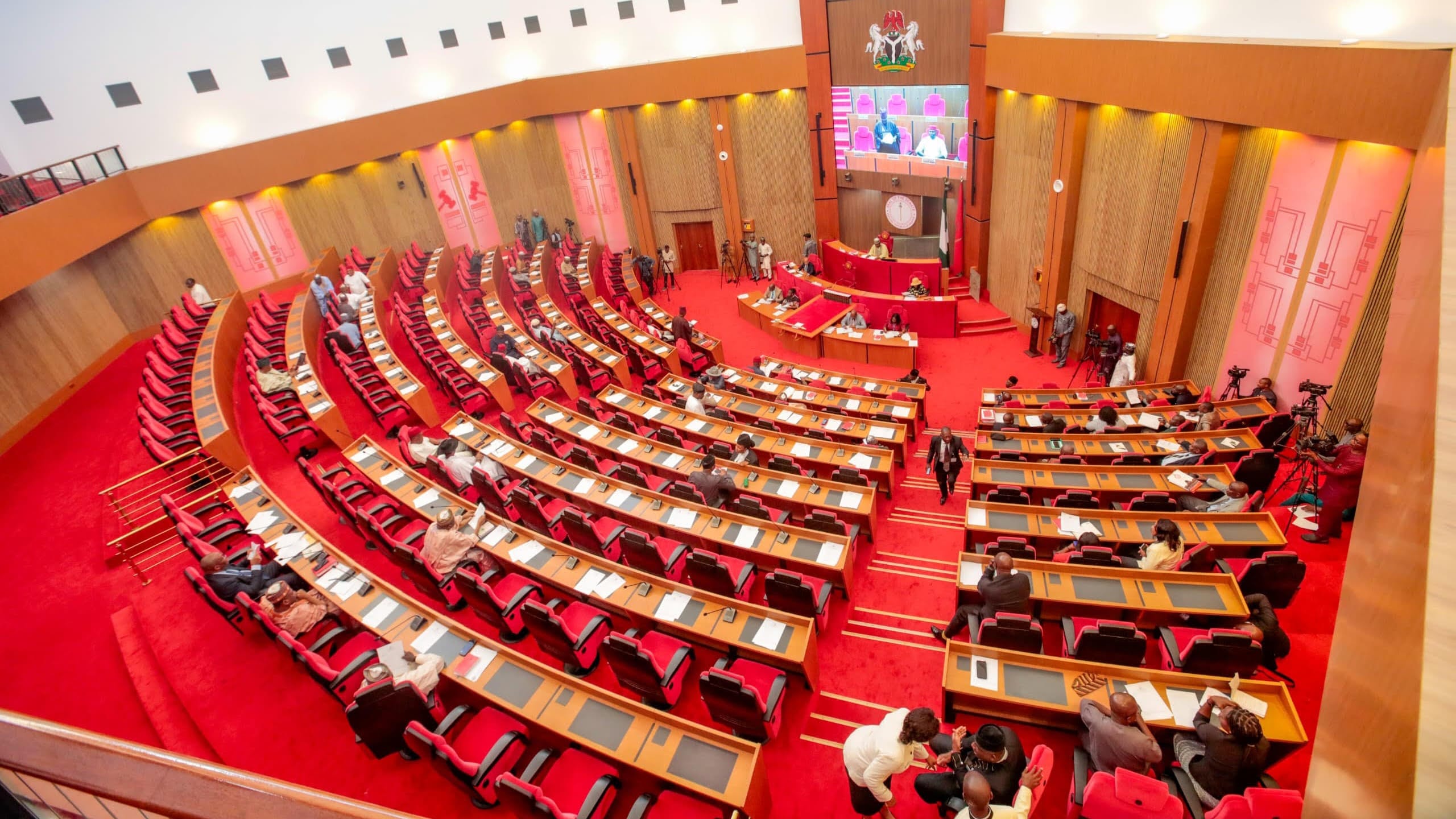
The latest parliamentary discussion took place during consideration of the Ministry of Commerce, Industry and Trade’s second-quarter performance report. Lawmakers expressed sharply differing views on the treatment of foreign-owned enterprises, particularly businesses operating on Swazi Nation Land.
Mbabane East Member of Parliament Welcome Dlamini raised concerns about the ongoing closures, saying ministry officials had begun shutting down shops operated by Asian nationals. He questioned whether the government had made adequate arrangements for local entrepreneurs to take over the affected businesses.
Dlamini also warned that abrupt closures could leave goods unsold, cost local employees their jobs and disrupt access to essential products in communities. He proposed giving foreign business owners three years to prepare local successors and transfer the necessary business knowledge.
“Why can’t we give the Asians or foreigners at least three years before ‘kicking them’ out so that emaSwati can learn to run the businesses?” he asked.
However, Hhohho Regional MP Tanele Magagula opposed a lengthy transition period, arguing that local traders should not have to wait years to benefit from opportunities in their own economy.
“Businesses owned by foreigners in the rural areas must be seized immediately,” she said, adding: “Why must we wait for three years while emaSwati suffer?”
Other lawmakers also raised concerns about the consequences of the inspections, including the potential loss of employment and disruption to communities that depend on foreign-operated shops.
Following the debate, MPs agreed to recommend that foreign businesses found to be operating in violation of the law be given at least 12 months to regularise their operations or close. The recommendation, however, does not automatically establish that the underlying legislation has been amended or that a new statutory grace period has formally commenced. Its implementation will depend on the applicable legal and administrative procedures.
Economic empowerment and the future of foreign-owned businesses
The debate is taking place against the backdrop of Eswatini’s Citizens Economic Empowerment Act and its accompanying regulatory framework, which are intended to increase the participation and ownership of emaSwati in the economy.
Among the measures reported in the 2026 regulations is a proposal to reserve retail operations with annual turnover below E8 million for qualifying citizen-owned businesses. The categories affected include general dealer shops, supermarkets, grocery stores, pharmacies, hardware shops and other everyday retail operations.
The provisions could significantly reshape the country’s small-business environment, where foreign traders have established businesses serving communities across urban and rural areas.
The government’s position is that economic empowerment should give citizens greater access to commercial opportunities and reduce barriers to local participation. The policy also reflects complaints from domestic traders who argue that foreign-owned businesses have become increasingly competitive in traditional retail markets, placing pressure on locally owned enterprises.
However, the implementation raises practical questions. Local entrepreneurs may need access to finance, business training, supply chains and commercial premises before they can take over existing enterprises. There are also concerns about employees who could lose their jobs if businesses close before viable alternatives emerge.
Inspections uncover compliance concerns
The current enforcement exercise follows inspections launched by the Ministry of Commerce, Industry and Trade on August 26. The inspections are intended to establish whether businesses hold the required licences and permits, meet tax obligations and comply with other statutory requirements.
The ministry has maintained that the exercise is not designed to target a particular nationality or category of business owner. It says businesses will be assessed according to their individual circumstances and the conditions attached to their operating licences. Where businesses have obtained the necessary authorisations, these are expected to be considered during compliance assessments.
Some businesses inspected in areas such as Mbabane were reportedly found to be operating within the applicable requirements. Other inspections, however, raised concerns about employment practices, including complaints relating to days off, annual leave and overtime. At least one case remains under investigation.
The ministry has also acknowledged the need for better coordination with immigration authorities to ensure that foreign nationals engaged in business activities meet the relevant immigration and commercial requirements.
A wider regional debate over foreign traders
Eswatini’s enforcement measures reflect a wider debate across parts of Africa about the role of foreign nationals in local economies, particularly in informal trade and small-scale retail.
In neighbouring South Africa, anti-immigration campaigns led by groups including March and March have intensified pressure on undocumented migrants and foreign-run businesses. Demonstrations have been accompanied by reports of intimidation, shop closures, looting and attacks on foreign nationals.
On September 30, 2026, the movement staged another round of demonstrations demanding stronger action against undocumented immigration. Earlier protests had included calls for undocumented foreigners to leave the country, although the deadlines set by campaigners were not official government deportation orders.
The violence has also attracted diplomatic attention. Ghana’s Foreign Affairs Minister Samuel Okudzeto Ablakwa said four Ghanaian nationals had died in incidents linked to the renewed anti-foreigner tensions between April and July 2026. Nigeria, meanwhile, reported that two of its citizens were killed on June 28, with one allegedly killed by police officers and the other by unidentified attackers. South African officials have disputed some accounts of deaths and violence, underscoring the importance of distinguishing official claims from independently established findings.
Kenya has also introduced measures targeting foreign nationals operating small businesses. In September, the government announced a 90-day exercise requiring foreign traders to regularise their work permits, immigration documents, business registrations and licences. President William Ruto’s comments about reserving certain small-scale trading activities for Kenyan citizens raised concerns among migrant communities, prompting the government to clarify that the process was not intended as a blanket ban on foreign participation in business.
Balancing local opportunity with legal protections
For Eswatini, the challenge will be translating economic empowerment into practical opportunities for citizens without undermining legal certainty, employment or access to essential goods.
The country faces significant economic pressures, including high poverty and unemployment. The World Bank has estimated that around 58.9 per cent of the population lived below the international poverty line of US$3.65 a day in 2016, illustrating the scale of the country’s longstanding development challenges. Such pressures have strengthened calls for policies that enable more citizens to participate in business ownership and wealth creation.
However, the success of the empowerment framework will depend partly on whether local entrepreneurs can access the resources needed to operate sustainable businesses. Abrupt closures, without clear transition arrangements, could create additional unemployment and supply disruptions rather than strengthen local economic activity.
The 12-month recommendation offers a possible compromise between lawmakers calling for immediate enforcement and those advocating a longer transition. But until its legal status and implementation are clarified, uncertainty remains for foreign business owners, their employees and local communities.
Ultimately, Eswatini’s task is not simply to change who owns its shops. It is to build a business environment in which citizens can compete and prosper, workers are protected, regulations are applied consistently and foreign nationals operating legally are treated fairly.