oluwatosin oyeniyi
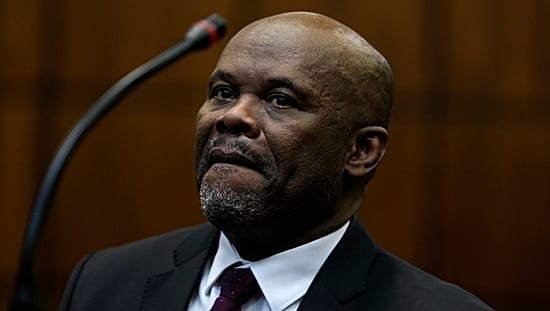
PRETORIA, South Africa — South Africa’s Deputy National Police Commissioner for Crime Detection, Lieutenant-General Shadrack Sibiya, has resigned while facing disciplinary proceedings, ending his employment with the South African Police Service (SAPS) amid allegations of misconduct, corruption and links to suspected criminal networks.
The police service confirmed on Monday, October 12, that Sibiya’s resignation took effect immediately after his legal representative submitted it at the start of his disciplinary hearing. SAPS classified his departure as a “dishonourable discharge” because the disciplinary case against him was still pending.
Sibiya’s departure comes amid wider scrutiny of alleged corruption and interference within South Africa’s criminal justice system. He had been suspended since September 2025, and allegations against him have featured in the proceedings of the Madlanga Commission of Inquiry, which is investigating claims of corruption and criminal infiltration in the police and related institutions.
His resignation has renewed questions about accountability at senior levels of the country’s police service and the capacity of investigators to address allegations involving serving and former senior officers.
Resignation Ends Disciplinary Hearing
According to SAPS, Sibiya’s legal representative tendered his resignation shortly after disciplinary proceedings commenced on Monday. The police service subsequently confirmed that his employment had been terminated with immediate effect.
Acting National Police Commissioner Puleng Dimpane said the disciplinary process could not continue once Sibiya was no longer an employee of the service. His resignation did not, however, amount to a finding on the allegations that had been brought against him.
Reports indicated that Sibiya faced seven disciplinary charges relating to alleged misconduct, including his interactions with individuals suspected of criminal activity, the handling of confidential police information and alleged interference in police investigations. The allegations emerged partly from evidence presented to the Madlanga Commission.
Sibiya has denied allegations of corruption raised against him.
The distinction between a disciplinary case and a criminal investigation remains important. Resigning from the police service ends his employment, but it does not by itself determine whether any alleged criminal conduct occurred or prevent separate investigations from proceeding where the law permits.
Corruption Allegations and the Madlanga Commission
The Madlanga Commission of Inquiry was established to examine allegations of criminality, corruption and improper influence within South Africa’s criminal justice system.
During the inquiry, Sibiya was accused of receiving money and gifts from businessman Vusimuzi “Cat” Matlala, who has been linked in public investigations to alleged criminal networks. Sibiya denied the corruption allegations.
The inquiry has also examined claims concerning the handling of sensitive police information and possible interference in investigations. Such allegations are particularly consequential because senior police officials exercise authority over investigations, intelligence and operational decisions.
The commission’s work forms part of broader efforts to establish whether criminal interests have influenced law enforcement and other parts of the justice system. Its findings and any subsequent investigations could have implications for individual accountability, police oversight and public confidence in law enforcement.
Sibiya’s resignation removes him from his senior police position, but it does not resolve the wider questions raised by the inquiry about institutional safeguards and the conduct of other officials.
Separate Criminal Case
Sibiya is also facing criminal allegations unrelated to the immediate outcome of his internal disciplinary proceedings.
He was arrested in September 2026 and faces allegations including rape and the sexual grooming of a minor. Reports have also identified a human-trafficking charge. These remain allegations, and Sibiya has denied the accusations. His criminal case is separate from the disciplinary proceedings that ended with his resignation.
The criminal proceedings must follow their own legal process, including the assessment of evidence and the determination of guilt by a competent court. His departure from SAPS should not be interpreted as a conviction in that case.
Keeping the processes distinct is essential to accurate reporting and due process: internal employment decisions, commission findings and criminal court judgments have different purposes and legal consequences.
A Wider Test for Police Accountability
Sibiya’s exit comes at a time of considerable pressure on South Africa’s police leadership. National Commissioner Fannie Masemola has also been sidelined from active duties amid separate scrutiny, leaving senior leadership responsibilities in the hands of acting officials.
The developments have intensified attention on the systems intended to prevent misconduct, investigate wrongdoing and hold senior officers accountable. Public confidence in policing depends not only on the investigation of ordinary crime but also on whether allegations involving those entrusted with enforcing the law are addressed transparently and consistently.
The challenge extends beyond removing individual officers. Effective accountability requires independent investigations where appropriate, reliable evidence management, protection for witnesses and clear procedures for referring suspected criminal conduct to prosecutors.
The Madlanga Commission’s work may help establish what happened in specific cases, but longer-term reform will depend on how its findings are handled and whether credible recommendations are implemented.
What Happens Next?
Sibiya’s resignation brings his service career to an end, but the broader legal and institutional questions surrounding the allegations remain.
Criminal proceedings against him are separate from the internal disciplinary process, while the commission’s wider examination of alleged corruption and improper influence continues to raise questions about policing and oversight.
For South Africa, the central issue is whether allegations involving senior law enforcement officials can be investigated thoroughly and addressed through established legal procedures, regardless of rank or position.
The outcome will matter not only for those directly implicated but also for public confidence in the institutions responsible for protecting citizens and upholding the law.