oluwatosin oyeniyi
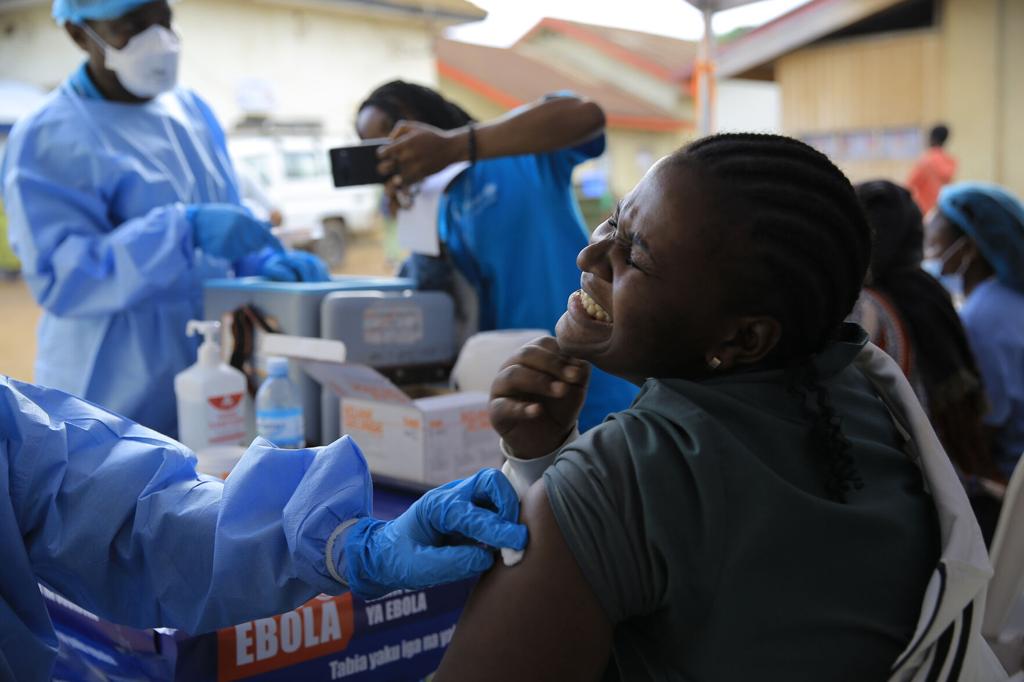
Nigeria confirmed one imported case of Ebola Bundibugyo virus disease in the Federal Capital Territory on 20 October 2026. The patient is a woman who recently travelled from Uganda. She developed symptoms on 7 October, sought care at a private Abuja facility on 11 October and tested positive on 20 October. She is in isolation, while 44 contacts are being monitored.
The Nigeria Centre for Disease Control and Prevention has activated its incident-management system. Authorities are tracing the patient’s movements, strengthening infection prevention and control at the private facility and working with the World Health Organization on testing, supplies and contact follow-up. At this stage, Nigeria has confirmed one imported case, not a nationwide outbreak.
That distinction matters in a country where public anxiety can spread faster than reliable information. The responsible response is fast investigation, transparent updates and protection for patients, health workers and communities.
The outbreak began in central Africa
The wider emergency began in the Democratic Republic of the Congo in May. The virus is the Bundibugyo species, for which there was no licensed vaccine or specific treatment when the outbreak was first confirmed. WHO declared the event a public health emergency of international concern on 17 May after eight laboratory-confirmed cases, 246 suspected cases and 80 suspected deaths had been reported in Ituri Province. Two linked travel-related cases were also confirmed in Kampala, Uganda, including one death.
By 20 October, the United States Centers for Disease Control and Prevention recorded 9,552 confirmed cases and 4,602 confirmed deaths in the DRC. The same summary listed 20 confirmed and one probable case in Uganda, 20 confirmed cases in Kenya, and one confirmed case in France linked to the outbreak. Kenya had recorded nine confirmed cases and one death by that date, after an infected traveller from the DRC passed through Uganda. The subsequent Kenyan cases involved relatives and health workers who were already in quarantine; Kenya reported no community spread.
These figures are rapidly changing and use different national reporting practices. They are not a perfectly comparable regional ledger. But they show how a virus can cross borders through travel, family networks and trade routes before a country identifies the first patient.
Ghana is preparing, not reporting cases
Ghana should not be included among countries with confirmed Ebola cases in the current outbreak. Public-health notices have described heightened preparedness, surveillance, screening and coordination, but no confirmed Ghanaian case has been reported. The distinction between a suspected case, a preparedness alert and a laboratory-confirmed case is not a technical footnote. It is the basis of responsible public communication.
Ghana’s position also illustrates the regional challenge. Countries without cases must act before the virus arrives. That means monitoring points of entry, training clinicians to recognise unusual symptoms, maintaining safe referral pathways and ensuring that laboratories can test suspected cases without exposing staff or delaying results.
The health-system test is larger than Ebola
Ebola exposes weaknesses that affect many diseases. WHO’s 2026 assessment of readiness in Djibouti, Somalia and Sudan found gaps in early detection, laboratory confirmation, infection prevention and control, protective equipment and emergency resources. Conflict, displacement and restricted access make those gaps harder to close.
The same pressures are visible in the DRC. Insecurity and population movement complicate contact tracing, while remote communities may rely on informal health providers. WHO has stressed that community engagement is as important as clinical capacity. Local leaders, religious authorities, traditional healers and trusted health workers can help families report illness early and accept safe care. Without that trust, rumours can delay treatment and turn clinics into sites of transmission.
Africa has built important capacity since the 2014–2016 West African Ebola epidemic. National public-health institutes, Africa CDC, emergency operations centres, field epidemiology programmes and regional laboratory networks have improved detection and coordination. Nigeria’s rapid activation after a single imported case demonstrates that preparedness structures exist.
But preparedness is uneven. A response system can be activated in the capital while rural hospitals lack trained staff, isolation space, oxygen, protective equipment or reliable transport. A country may have an emergency plan that is not funded between outbreaks. Health workers may also be expected to confront dangerous diseases without timely salaries, hazard protection or psychosocial support.
Containment must not become isolation
WHO has advised countries to sustain surveillance, decentralise laboratory capacity, prepare rapid-response and clinical teams, strengthen infection control in public and private facilities, pre-position supplies and increase monitoring at points of entry. Those measures should be implemented proportionately. WHO has advised against blanket restrictions on travel or trade with affected countries, because indiscriminate closures can damage livelihoods without stopping transmission.
The stronger approach is targeted readiness. Nigeria should complete the contact investigation, publish clear updates and test suspected contacts quickly. Kenya should continue monitoring quarantined contacts while supporting affected families. Neighbouring countries should share alerts and travel information through Africa CDC and existing regional systems rather than operating as isolated national silos.
Governments also need to invest before the emergency. That means stable funding for laboratories, primary care, disease intelligence, safe burial teams, cold-chain and transport systems, and training that reaches nurses, community health workers and private clinics. Research funding is equally important: the Bundibugyo virus has fewer medical countermeasures than some other Ebola species.
The measure of readiness
The new Nigerian case is not evidence that Africa’s health systems have failed. It is evidence that no country can treat preparedness as a one-time campaign. Nigeria detected an imported infection and began tracing contacts; Kenya contained linked cases in quarantine; Uganda reported that its last case recovered in July. Those are signs of capacity, but they must be matched by sustained investment.
The real measure of epidemic readiness is not whether a country avoids every imported case. It is whether the country can find the first case, protect the people who treat it, earn public trust and stop transmission before fear and misinformation become a second emergency.