oluwatosin oyeniyi
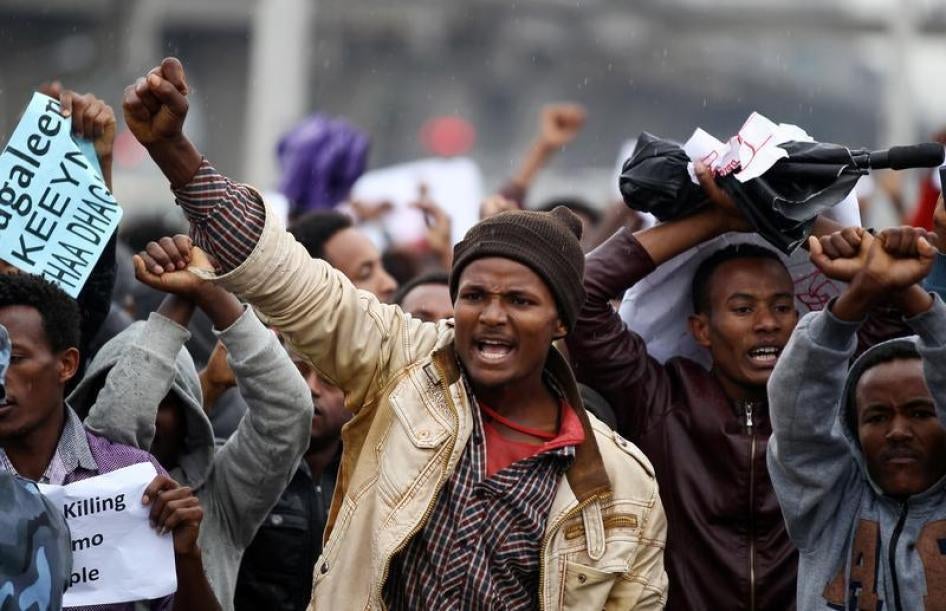
ADDIS ABABA, Ethiopia — Seven Ethiopian opposition and armed groups have announced a new coalition aimed at removing Prime Minister Abiy Ahmed’s government and establishing an inclusive transitional administration, adding a new layer to the country’s already complex political and security crisis.
The groups announced the Ethiopian Peoples’ Forces Alliance for Survival on Sunday, September 20. Their declaration brings together organisations operating across several regions and ethnic constituencies, including some that previously fought on opposing sides of Ethiopia’s 2020–2022 Tigray war.
Former adversaries join forces
The alliance includes the Tigray People’s Liberation Front (TPLF), the Amhara Fano National Movement and the Oromo Liberation Army (OLA), alongside the Ogaden National Liberation Front, an Afar opposition group, the Benishangul Peoples’ Liberation Movement and the Gumuz Peoples’ Democratic Movement.
The combination is particularly notable because Tigrayan and Amhara forces fought on opposite sides during the Tigray war. Fano initially fought alongside federal forces against the TPLF before turning against the government in 2023.
The groups have also pursued different political and territorial objectives, meaning their decision to coordinate represents a significant development but does not necessarily mean their longstanding disagreements have been resolved. Reuters reported that some members remain divided over territorial and other issues.
A common objective
In their joint declaration, the groups said their immediate objective is to remove what they describe as the current government and establish an inclusive transitional government guided by a transitional charter.
The coalition accused the federal government of worsening insecurity, displacement, poverty and restrictions on democratic and human rights. Those are allegations made by the coalition and have not been independently established as part of the announcement.
The federal government had not immediately responded to requests for comment from Reuters.
The proposed transitional arrangement would seek to address Ethiopia’s political and constitutional disputes through an inclusive national process, according to the coalition’s statement.
Ethiopia’s conflicts are becoming more interconnected
The announcement comes as Ethiopia faces armed conflicts in several parts of the country.
Federal forces have been fighting the OLA in Oromia since 2018 and Fano forces in Amhara since 2023. At the same time, tensions have recently intensified in Tigray, raising concerns about the durability of the 2022 peace agreement that ended the Tigray war.
The emergence of a coalition connecting these separate conflicts could therefore alter Ethiopia’s security landscape if political coordination develops into military cooperation.
However, the announcement does not establish that the seven groups have created a unified military command. Their different structures, objectives and territorial interests could make sustained coordination difficult.
Tigray peace deal faces another test
The coalition’s formation comes amid renewed tensions between the federal government and Tigrayan forces.
The TPLF has accused the federal government of failing to fully implement the 2022 Pretoria peace agreement and reasserted control over Tigray’s political administration earlier this year. Federal forces have subsequently carried out reported drone strikes against Tigrayan positions, while the military has said hundreds of Tigrayan fighters surrendered.
The developments have increased concerns that Ethiopia could face a broader deterioration in security if political disagreements and regional conflicts continue to converge.
Regional implications
The consequences could extend beyond Ethiopia’s borders.
Ethiopia is a major Horn of Africa power, and renewed instability could affect neighbouring countries already dealing with insecurity, displacement and political tensions.
The government has also accused Eritrea of supporting insurgent groups, including the TPLF and Fano. Eritrea has denied the allegations.
For the African Union and other regional actors, the development adds urgency to efforts to prevent Ethiopia’s separate conflicts from becoming a wider confrontation.
What happens next
The immediate question is whether the new alliance can maintain cooperation among groups with different political histories and unresolved territorial disputes.
If coordination remains political, it could create another channel for negotiations over Ethiopia’s future political system. If it develops into coordinated military action, however, it could intensify conflicts that are already placing pressure on several regions.
For Ethiopia, the announcement underscores the depth of unresolved questions over federalism, regional autonomy, political representation, security and the implementation of existing peace agreements.
The coalition’s stated ambition is to establish a transitional government. Whether the groups can agree on what comes after the current administration—and whether political differences that previously divided them can be managed—will be central to determining the significance of the new alliance.