oluwatosin oyeniyi
KAMPALA, Uganda — Uganda has suspended all defence and military cooperation with Türkiye, escalating a diplomatic dispute between Kampala and Ankara over Ugandan political blogger Fred Lumbuye, whom Ugandan authorities have repeatedly demanded be returned from Türkiye.
The Uganda People’s Defence Forces (UPDF) announced the suspension on September 19, saying it would remain in place until outstanding issues concerning defence and military cooperation between the two countries are resolved. The army did not specify those issues or directly name Lumbuye in its statement.
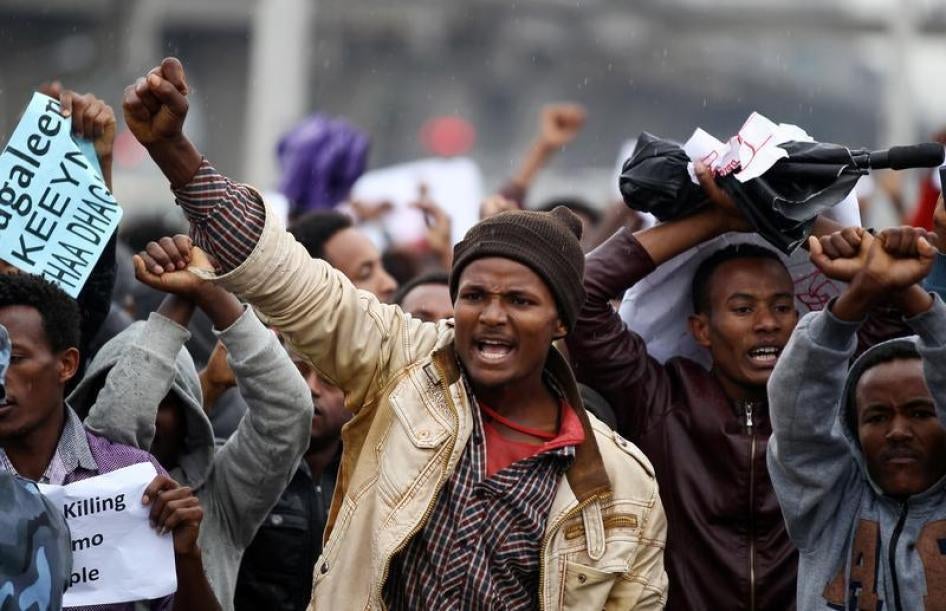
The announcement came a day after hundreds of supporters of Uganda’s Patriotic League demonstrated outside the Turkish Embassy in Kampala, demanding Lumbuye’s extradition.
Dispute over Fred Lumbuye
Lumbuye, who is based in Türkiye, is a prominent online critic of President Yoweri Museveni. Ugandan authorities accuse him of offences including incitement, spreading false information, harmful propaganda and computer-related crimes. He denies the allegations.
Uganda’s Chief of Defence Forces, Gen. Muhoozi Kainerugaba, has repeatedly called for Turkish authorities to hand Lumbuye over.
The dispute has become increasingly public in recent months, with pressure on Ankara intensifying before the military cooperation suspension.
Although the UPDF did not explicitly link the suspension to Lumbuye, the timing has led regional and international media to report the extradition dispute as a major factor behind the deterioration in relations.
Defence ties under strain
Uganda and Türkiye have developed defence relations over nearly a decade, including military training, defence-industry cooperation and military equipment. A 2016 military cooperation memorandum provided a framework for expanding those ties.
The suspension therefore potentially affects a range of existing engagements, although Kampala has not said which specific programmes or agreements are covered.
It also does not amount to a break in diplomatic relations. Uganda and Türkiye continue to maintain wider diplomatic, commercial and other bilateral ties.
The lack of detail from the UPDF leaves open questions about whether the measure is temporary and narrowly focused or could become part of a broader deterioration in bilateral relations.
Pressure on Ankara
The dispute has moved beyond official statements.
On September 18, supporters of the Patriotic League of Uganda gathered outside the Turkish Embassy in Kampala to demand Lumbuye’s extradition. Ugandan police restricted access to the diplomatic mission, while the demonstrations reflected growing domestic pressure over his continued presence in Türkiye.
Kainerugaba, who heads the UPDF, has also publicly pressed Türkiye over the issue. His involvement gives the dispute an additional political dimension because he is a central figure in Uganda’s current political and security establishment.
Ugandan authorities have not announced that diplomatic relations with Türkiye have been suspended.
Wider strategic implications
The dispute comes as Türkiye continues to expand its economic and security relationships across Africa.
For Uganda, Turkish cooperation has included defence-related engagement as well as broader infrastructure and commercial links. The two countries have also maintained contacts around regional security.
The suspension could therefore complicate existing defence arrangements if it continues for an extended period, particularly in areas involving training, equipment and defence-industry cooperation.
However, the precise operational consequences remain unclear because the UPDF has not identified which programmes are affected.
What happens next?
The immediate question is whether Kampala and Ankara can resolve the unspecified “outstanding issues” that prompted the suspension.
Lumbuye’s case is likely to remain central to the dispute, given the sustained demands from Ugandan officials and supporters for his extradition. But establishing a direct causal link between his case and the military suspension would require further clarification from the Ugandan government or Turkish authorities.
For now, the suspension represents a significant deterioration in Uganda-Türkiye defence relations without constituting a diplomatic rupture.
How long the suspension lasts and whether Kampala and Ankara can separate the extradition dispute from their broader security relationship will determine whether the latest confrontation remains a temporary disruption or develops into a wider bilateral dispute.