oluwatosin oyeniyi
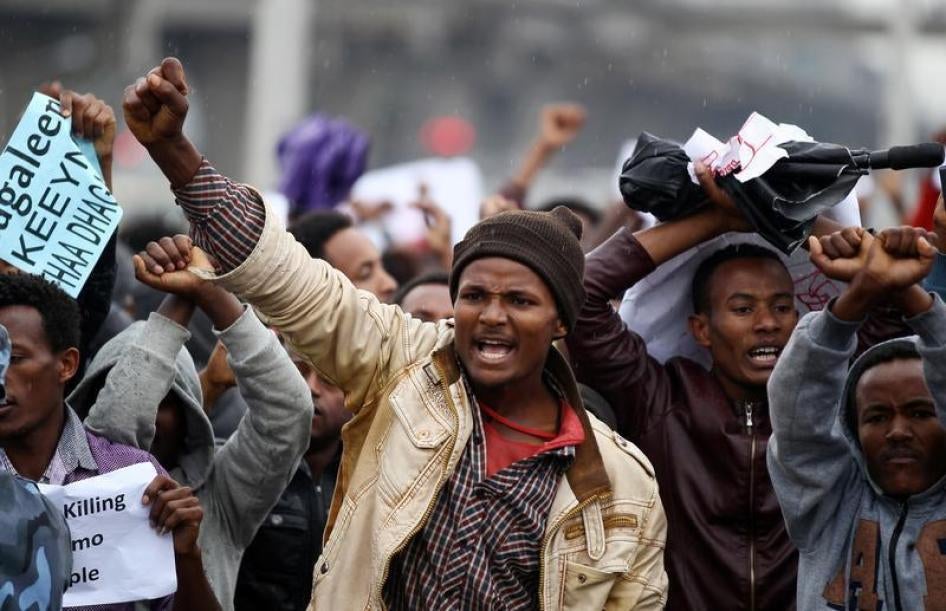
 In Sudan, the anniversary of the April 6 uprising has once again drawn citizens, civil society groups, and pro-democracy activists back into public space—physically where possible, symbolically where not.
The date, which in 2019 marked the beginning of the final push that led to the removal of longtime ruler Omar al-Bashir, has become more than a historical marker. It now functions as a point of political recall: a reminder of a transition that began with clarity but has since fractured under competing claims to power. This year’s commemorations come under very different conditions. Sudan is no longer in a fragile transition; it is in the midst of a prolonged conflict between rival military factions. Yet the message from civil groups has remained consistent. In statements circulated online and through local networks, activists called for “an immediate end to the war and a return to a civilian-led government,” echoing demands that have been repeated, in various forms, for nearly seven years.
To understand the weight of April 6 in Sudan, it is necessary to return to 2019. On that day, thousands gathered outside military headquarters in Khartoum, initiating a sit-in that would become the defining image of the uprising. Within days, the military moved to remove Bashir, ending three decades of rule. At the time, the removal of the president was seen as the beginning of a transition rather than its conclusion. Civilian groups, organised under coalitions such as the Forces of Freedom and Change, entered negotiations with the military to establish a joint administration. The arrangement that followed—a hybrid civilian-military government was always described as temporary, a bridge toward full civilian rule.
That bridge did not hold. Tensions between civilian leaders and military figures persisted throughout the transitional period, culminating in the October 2021 coup led by General Abdel Fattah al-Burhan. The move effectively dissolved the partnership and returned Sudan to direct military control. What followed was not a consolidation of authority but a fragmentation of it. By 2023, open conflict had broken out between the Sudanese Armed Forces and the Rapid Support Forces, turning political rivalry into armed confrontation. The war has since displaced millions and deepened humanitarian pressures, while leaving the question of governance unresolved. Marking the anniversary of a protest movement in a country at war is not straightforward. Public demonstrations carry risk, and in many areas are simply not possible. Yet the absence of large-scale gatherings does not equate to the absence of political expression.
Civil society organisations, professional associations, and diaspora networks have used the anniversary to restate demands that have remained largely unchanged: an end to military rule, accountability for past abuses, and the establishment of a civilian government. One statement issued by a coalition of activists described April 6 as “a reminder that the demand for civilian authority did not end with the revolution, and has not been extinguished by the war.” Another noted that “the goals of the uprising remain the same, even as the context has become more difficult.” These are not new phrases. They have appeared, in similar form, at each stage of Sudan’s recent political trajectory. What has changed is the distance between those demands and the current reality. The central issue is not whether there is support for civilian rule. That support has been visible, repeatedly, over the past decade. The issue is whether there is a viable pathway to achieve it.
Since the collapse of the transitional government, attempts to restart a political process have been intermittent and inconclusive. Regional and international actors have proposed frameworks for negotiation, but these have struggled to gain traction amid ongoing conflict. The result is a political environment in which the demand for civilian governance exists alongside conditions that make its realisation increasingly complex. Military actors retain control over territory and resources, while civilian groups remain fragmented and, in many cases, displaced. This creates a form of political stasis. The objectives of the uprising are still articulated, but the mechanisms for achieving them are weakened. One of the more striking aspects of Sudan’s political landscape is the persistence of its civic movement. Despite repression, displacement, and conflict, networks of activists have continued to organise, document, and advocate. At the same time, there are signs of fatigue. Years of instability have taken a toll, not only on institutions but on the social fabric that sustains political mobilisation. Economic hardship, insecurity, and displacement limit the capacity for sustained public engagement.
This tension between persistence and fatigue shapes the current moment. The anniversary of April 6 brings visibility to the continued existence of the movement, but it also underscores the conditions under which it now operates. For the military leadership, the situation presents its own challenges. Control has been asserted, but not consolidated. The ongoing conflict between rival forces has fragmented authority and introduced new uncertainties. In this context, calls for civilian rule do not represent an immediate threat to power, but they do represent a continuing claim to legitimacy. The longer the conflict persists, the more difficult it becomes to present military control as a stable or final arrangement.
This does not mean that a transition is imminent. It does suggest that the question of governance remains open, even if it is not currently being resolved through formal political processes. It would be tempting to frame the anniversary as a potential turning point—a moment at which renewed pressure might shift the political balance. The evidence, however, points elsewhere. Sudan’s recent history has been marked less by decisive turning points than by cycles: periods of mobilisation followed by repression, negotiation followed by breakdown, transition followed by reversal. April 6 fits into that pattern. It is both a commemoration of a past success and a reminder of an incomplete process. The demands articulated today are not new; they are continuations of those first expressed during the uprising. What has changed is the context in which they are made.
As Sudan moves further from the events of 2019, the question is not whether the goals of the uprising are still recognised. It is whether they can be translated into a political settlement under current conditions. For now, the gap between aspiration and reality remains wide. Civilian groups continue to call for a transition. Military actors continue to hold power, even as that power is contested internally. The conflict continues to reshape the environment in which any future settlement would have to emerge.
The anniversary of April 6 does not resolve these tensions. It brings them into focus. The calls for civilian rule are familiar. The conditions that have delayed them remain largely unchanged.